Thailand’s spending plans get a lift as global bond funds return
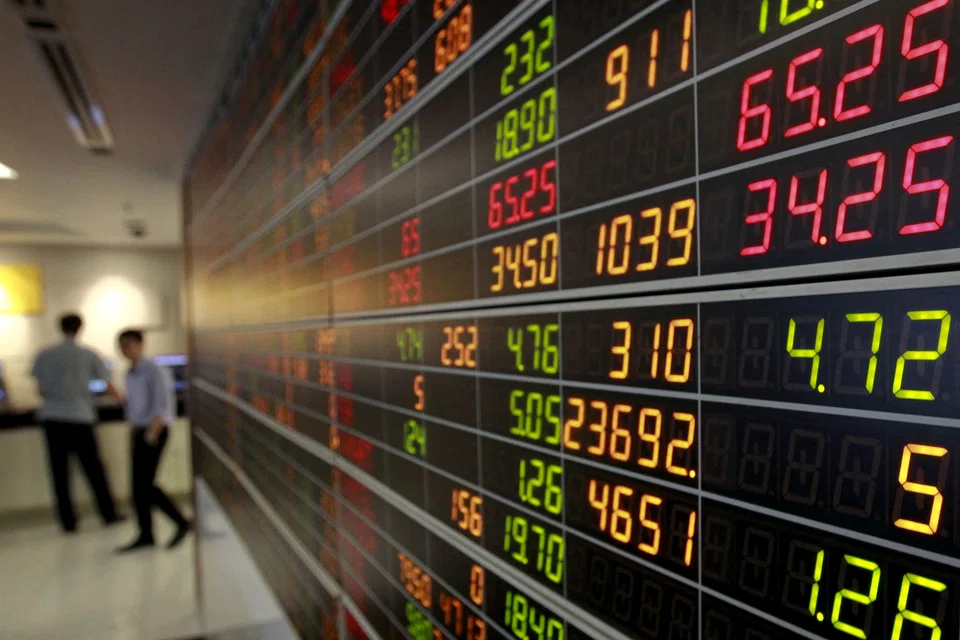
FOREIGN investors are returning to Thailand’s bonds after a rout drove yields to the highest in nine years.
Global funds have poured 11.5 billion baht (S$434 million) into bonds in October so far, according to data from the Thai Bond Market Association, set to be the biggest inflow since March. While funds are locking in high yields, wagers the central bank may have reached its peak rates are also building the case for gains.
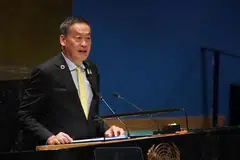
Their return would help alleviate pressure on the nation’s new government, which is increasing its borrowings to fund stimulus spending and a 560 billion baht cash handout. The yield on Thailand’s 10-year bond surged by more than 50 points since Prime Minister Srettha Thavisin’s administration took power on Sep 5.
“Global demand has gradually returned, though for demand to pick up, foreign investors would need more clarity on the digital wallet measure as well as a stabilisation in US yields,” said Poon Panichpibool, a strategist at Krung Thai Bank, referring to the cash hand-out programme. Thai bonds may gain if the government cuts the financial support to 400 billion baht or lower, he said.
The new government has announced a slew of populist measures – including the cash handout known as the digital wallet measure, raising minimum wages, a cut in retail prices of electricity and diesel, and freezing farmers debt – to revive a sluggish economy. Deputy Finance Minister Julapun Amornvivat said last week wealthy people may not get the cash.
In a sign of returning demand, last week’s auction of a 15-year sustainability note drew the highest bid-to-cover in nearly a year for that tenor, while the sale of a 2029 bond this week drew a cover that was the highest since it was first issued in July.


Thailand plans to increase borrowings for the new fiscal year, which begins on Oct 1, by 8 per cent. To alleviate investor concern, the debt management office said it will reduce the sales of long-tenor bonds of 10 years and more to 48 per cent of total issuance from 54 per cent planned earlier.
Thai bonds also look to be less at risk from domestic rate hikes, with the Bank of Thailand governor signalling last month it’s time to pause following 200 basis points of increases since August last year. BLOOMBERG
Decoding Asia newsletter: your guide to navigating Asia in a new global order. Sign up here to get Decoding Asia newsletter. Delivered to your inbox. Free.
Share with us your feedback on BT's products and services