The next unicorn could emerge from Indonesia's thriving e-logistics sector
Investor interest in the booming field is growing amid a spate of successful fund-raising by startups. But logistics infrastructure is still weak, making transportation costs high
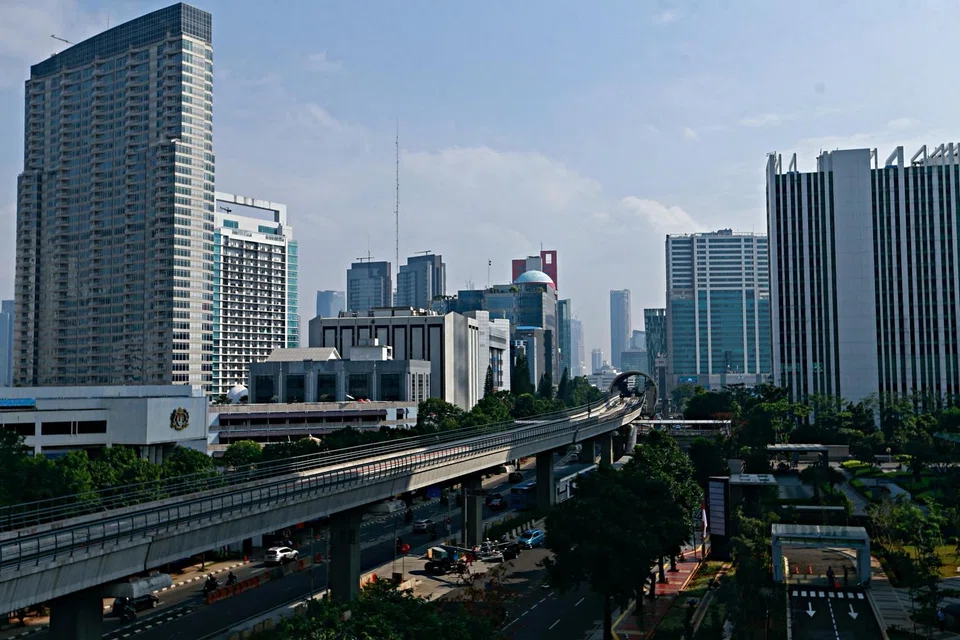
Jakarta
AS INDONESIA'S red-hot e-commerce sector continues to barrel ahead, investor interest is growing in the country's logistics sector, estimated to be worth some US$300 billion by 2024.
In recent months, a spate of investments into the sector has upped the game as investors chase the next big bet in the country's fast-growing digital economy.
Hot on the heels of successful fund-raising by startups such as SiCepat, Waresix and Ritase, J&T Express is said to be looking to raise between US$1 billion to US$2 billion from international investors, including Chinese Internet behemoth Tencent Holdings.
It has been reported that J&T's existing investors - Boyu Capital Hillhouse and Sequoia Capital China among them - will also participate in its next funding round.
The heightened interest in Indonesian e-logistics start-ups does not come as a surprise to industry veterans, who have been watching the developments closely.
"We know that a lot of investors are coming from China. We heard that a number of Chinese investors are interested in J&T, including Alibaba and Tencent, which is also an investor in Gojek," said Edward Chamdani, the co-founder and managing partner of venture capital firm Ideosource.
"Given the nature of Indonesia's archipelagic nature, the e-logistics sector is growing rapidly and there is a lot of room to collaborate, especially in last-mile delivery," Mr Chamdani added.
"The e-commerce players are now focusing on Tier 2 and Tier 3 cities, where penetration is still low - at just 20 per cent - and this is where e-logistics companies are moving into."
Sebastian Togelang, the founding partner of Kejora Capital, told The Business Times that despite the potential of the logistics market, infrastructure in the sector remains poor, which contributes to high transportation costs.
At 25 per cent of gross domestic product, Indonesia has the highest logistics cost in the region.
Kejora Capital is one of the investors in SiCepat, which raised US$170 million in Series B funding round this year.
Furthermore, the competition in delivery and freight-forwarding is getting fiercer with airlines, traditional players, start-ups and even large conglomerates all vying for a piece of the pie.
Both Air Asia and Lion Air have enhanced their cargo-delivery services, with passenger revenue having collapsed as a result of the Covid-19 pandemic.
Between 2017 and last year, only four logistics companies enjoyed revenue growth. Most recorded a decline in profits, going by data from research firm D-insights.
"Indonesia has the potential to produce two to three unicorns in the logistics sector," noted Mr Togelang.
"The boom in e-commerce enhanced by the pandemic will have a great impact on logistics players, especially in the B2B sector. I believe a logistics start-up will become the next unicorn here."
The scramble for market share therefore presents an opportunity for new players, and a threat to existing ones in the sector.
Mr Togelang said: "While the e-commerce market presents a sizable opportunity, we believe that social commerce will grow exponentially in the coming years, given the massive SME and MSME (micro, small and medium-sized enterprises) digitisation road map for South-east Asian countries.
"The social commerce market in Indonesia is expected to grow into a US$25 billion sector by 2025, contributing 25 per cent to 30 per cent to the total online commerce market size."
But he added that because the logistics sector is highly fragmented, it is not a winner-takes-all market; there is room for other players.
"There is a possibility of industry consolidation in the near future because many logistics players offer different services - first-mile, last-mile, warehousing and fulfullment."
For example, last-mile deliveries in Tiers 3 and 4 cities can prove challenging because of inadequate infrastructure, damaged roads, poor Internet connections and failed deliveries.
Mr Togelang foresees a potential integration of services in areas such as warehousing, pick-pack-ship and air cargo at faster and more competitive pricing, and omni-channel inventory management service to merchants.
Every new player will have to manage barriers of entry and build networks that will require large cash burns and a significant amount of time to compete with existing players.
"Indonesia provides huge opportunity for growth in the logistics sector while the boom in e-commerce will play a large role in driving more investment into the sector," said Mr Togelang.
"To win in an archipelago, a logistics company needs to have a strong network to penetrate rural areas and the best way to do this is to partner with local merchants."