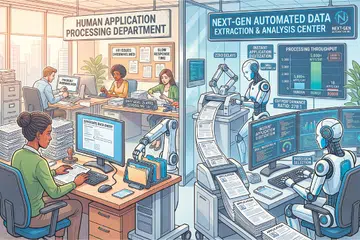
There can be sufficient job creation to offset the impact of automation

THE world of work is in a state of flux. With the advent of digital, you can now conduct work activities just as comfortably by a pool in Bali, as you would in a skyscraper in Raffles Place. Companies such as Grab and Amazon have spurred a rise in independent workers participating actively in the gig economy.
Advances in automation, artificial intelligence (AI), and robotics now promise to further transform the world of work but have raised deep concern. Doomsday scenarios about mass unemployment associated with the rise of the machine are all too common - but the reality is likely more nuanced, and less negative.
Many of the technologies we employ in our daily lives would have seemed unimaginable a mere decade ago. Virtual and augmented reality, AI and big data analytics are transforming workplaces. Their deployment will, without doubt, have a significant impact on jobs, skills, and wages, disrupting many workers and requiring millions to transition into new occupations and change their work practices. But in the long term, they also promise higher efficiency, more productivity, more safety and convenience. The key to making automation a success is adapting to the change that is coming.