



Transparency and governance key to Indonesia’s new sovereign fund sidestepping 1MDB pitfalls
With an asset target of up to US$982 billion, Danantara could soon rank as the fourth-largest sovereign wealth fund in the world

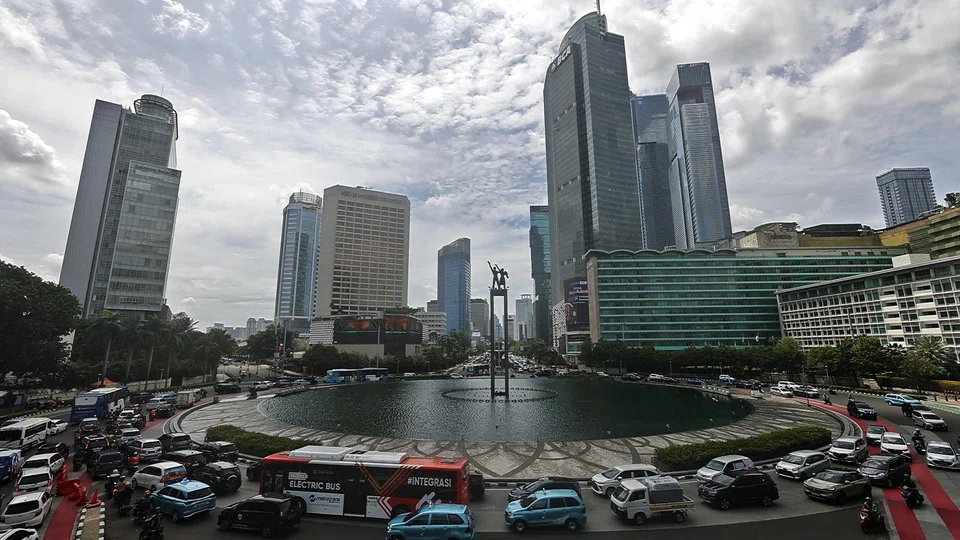
[JAKARTA] Indonesia will soon launch Danantara, a national investment agency to overhaul multi-billion-dollar state-owned assets, as a cornerstone of its new president’s economic strategy.
Experts, however, warn that its success will depend on strict transparency and insulation from political influence – a crucial takeaway from Malaysia’s 1MDB scandal.
Some observers have raised concerns about potential overlaps with the country’s sovereign wealth fund, the Indonesia Investment Authority (INA).
Nonetheless, President Prabowo Subianto’s push for Daya Anagata Nusantara – or Danantara – is largely seen as a strategic move to optimise national assets and streamline public asset management amid Indonesia’s limited fiscal capacity for development.
Documents reviewed by The Business Times showed that Danantara is set to oversee seven powerhouse state-owned enterprises (SOEs) across finance, energy and mining. These enterprises are deemed financially robust and deliver substantial returns.
The launch of the fund, involving assets held by some of the country’s largest SOEs and initially set for last week, has been postponed as the president embarks on a two-week overseas trip.
Economists were quick to point out that, in the wake of the fallout from the 1MDB scandal – a massive embezzlement scheme involving billions of dollars siphoned from the state fund for personal and political use – Indonesian officials must recognise the necessity of “top-tier professional management” for the fund.
“Danantara must remain free from political influence and conflicts of interest,” said Wijayanto Samirin, senior economist at Jakarta-based Paramadina University. “It should be staffed by professionals of integrity, with strong track records as a prerequisite.”
The initiative is viewed as a bold step to consolidate SOE assets, aiming to support Prabowo’s agenda by engaging the private sector more deeply in the growth of South-east Asia’s largest economy.
Taking a leaf out of Singapore’s Temasek book
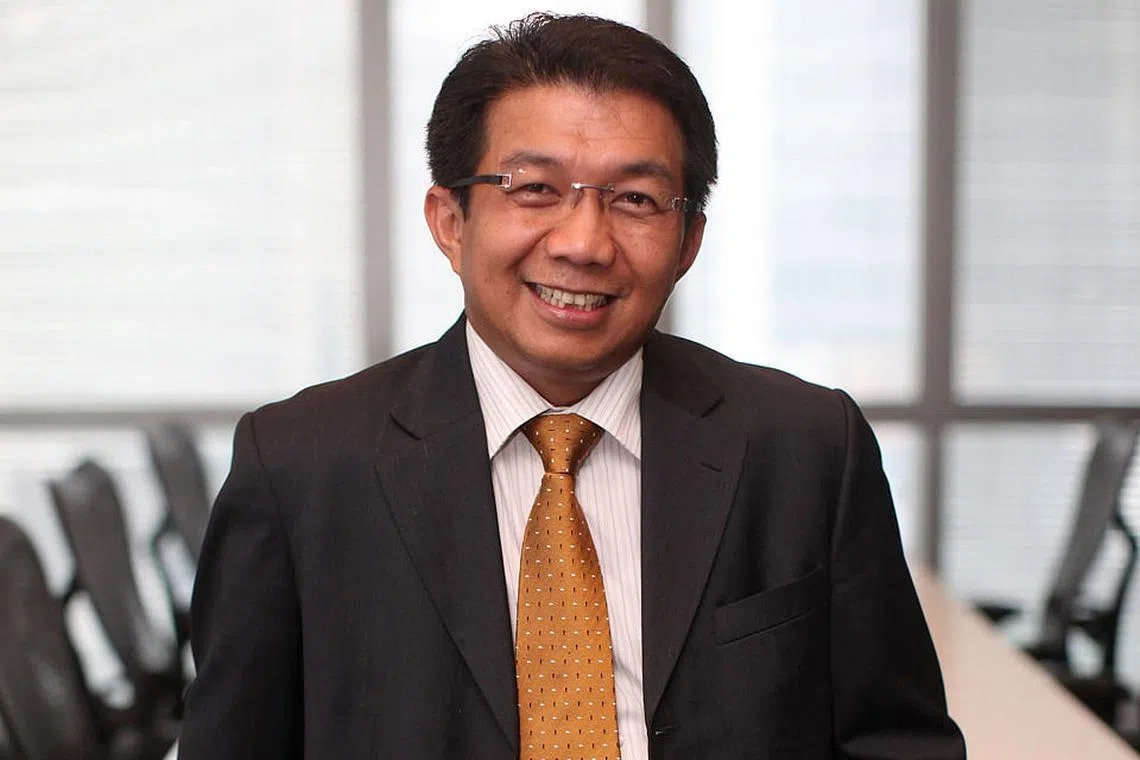
Prabowo has tapped Muliaman Hadad, a seasoned financial expert and former head of the Financial Services Authority, to lead Danantara.
Although the new agency’s precise role and scope remain unclear, Hadad stated in late October that Prabowo envisions Danantara as a global investment powerhouse, comparable to Singapore’s Temasek, with the capacity to channel billions of dollars into international companies.
Unlike the SOE Ministry, he said, Danantara’s focus will be solely on state investment management.
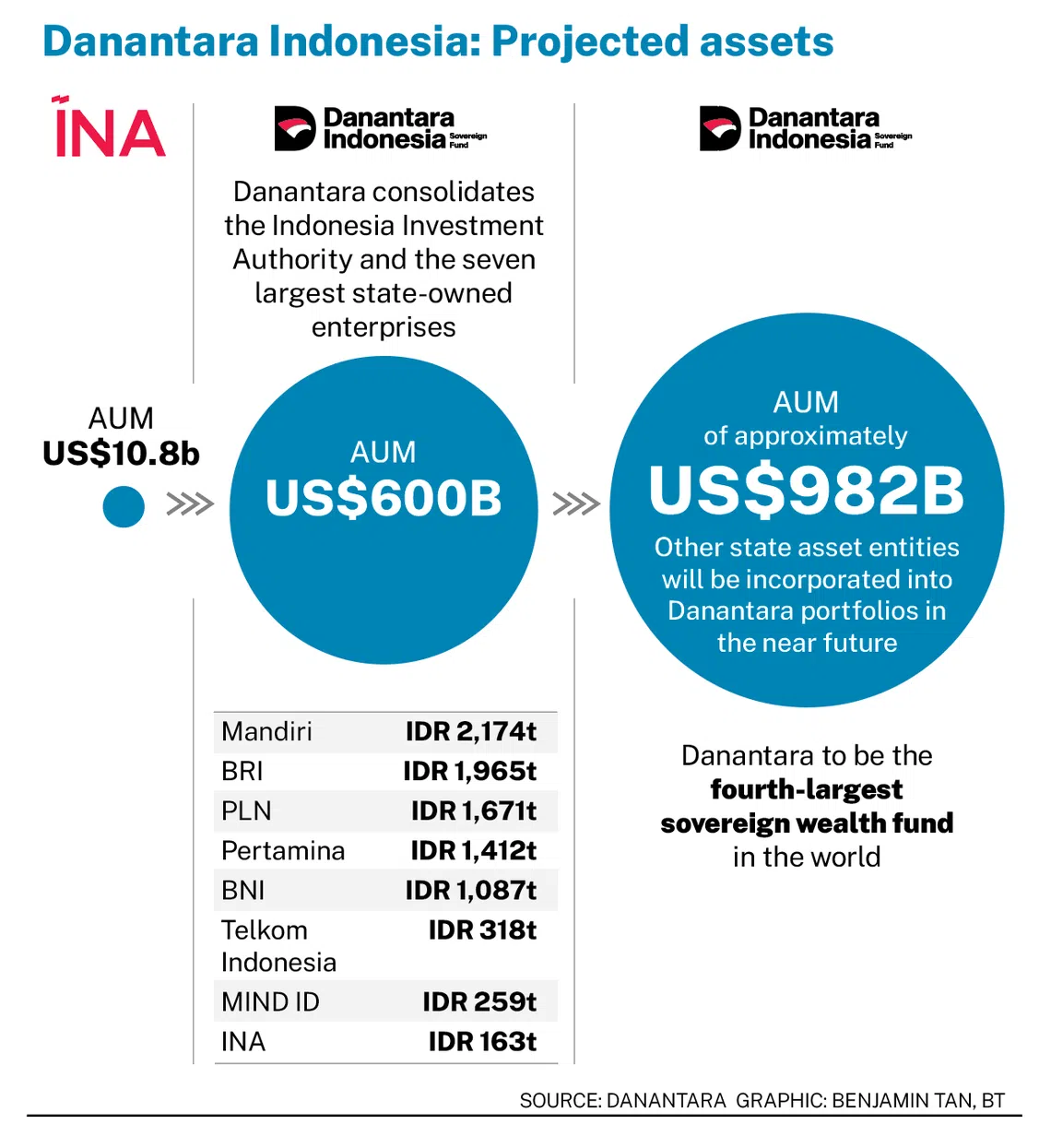
Under Danantara’s purview are Indonesia’s largest state-owned banks – Bank Mandiri, Bank Rakyat Indonesia, and Bank Negara Indonesia – alongside major players such as PLN, the state-owned utility company; Pertamina, the oil and gas giant; Telkom Indonesia, the telecommunications operator; and mining conglomerate MIND ID.
With an asset target of up to US$982 billion, Danantara could soon rank as the fourth-largest sovereign wealth fund in the world.
Danantara is also expected to manage assets from INA, marking a significant step in the consolidation of state resources. In its initial phase, Danantara will oversee US$10.8 billion in assets, sourced from the INA’s holdings.
INA, established under former president Joko Widodo’s administration in February 2021, currently holds shares in Bank Mandiri and Bank Rakyat Indonesia, as well as investments in a portfolio of private companies and SOEs focused on infrastructure.
Since its establishment, INA has made significant strides by attracting both global and local co-investors, securing investment commitments that now exceed US$25 billion in total.
While Danantara shares some features with INA, it aims to stand out by having more independence and authority, allowing it to take a stronger role in shaping the country’s investment future.
Samirin from Paramadina University said that, with clear role divisions, Danantara could take on a larger role in executing commercial strategies with minimal government interference, allowing assets to be managed independently and profit-driven.
Toto Pranoto, an SOE analyst at the University of Indonesia, expects Danantara to attract strong interest from global investors as a new sovereign wealth fund. He noted that Danantara aims to optimise the value of state-owned and other national assets, delivering competitive returns for shareholders.
“If all goes as planned, Danantara has the potential to become a powerful catalyst for economic growth,” he added.
Rully Arya Wisnubroto, a senior economist at Mirae Asset Sekuritas Indonesia, remains cautious about Danantara’s launch, noting its impact may not be immediate. He emphasised that the agency’s success depends on market trust, urging that Prabowo appoint seasoned professionals with unquestionable credibility.
Shrewd thinking
The president’s push to create Danantara is seen as a shrewd strategy to better manage the nation’s investment assets, particularly as Indonesia grapples with limited fiscal capacity to fund its development needs.
SOEs play a pivotal role in driving Indonesia’s economy. Last year, these enterprises managed assets worth US$681 billion, representing almost 50 per cent of the country’s gross domestic product, and covering vital sectors such as energy, mining, finance, agriculture and construction.
However, corruption scandals have long plagued Indonesia’s SOEs, undermining public trust and hindering progress.
Data from Indonesia Corruption Watch shows the emergence of a troubling trend: Between 2016 and 2021, 119 corruption cases were reported across 54 SOEs and their subsidiaries. The financial fallout from these scandals has been significant, with the state estimated to have lost a staggering 47.9 trillion rupiah (S$4.1 billion).
The idea to overhaul the SOE Ministry and create a super holding company was first introduced in a Sep 25 speech by Burhannuddin Abdullah, former governor of the Bank of Indonesia and a member of Prabowo’s advisory council.
Reform efforts within SOEs were already underway under Widodo’s administration, led by SOE Minister Erick Thohir.
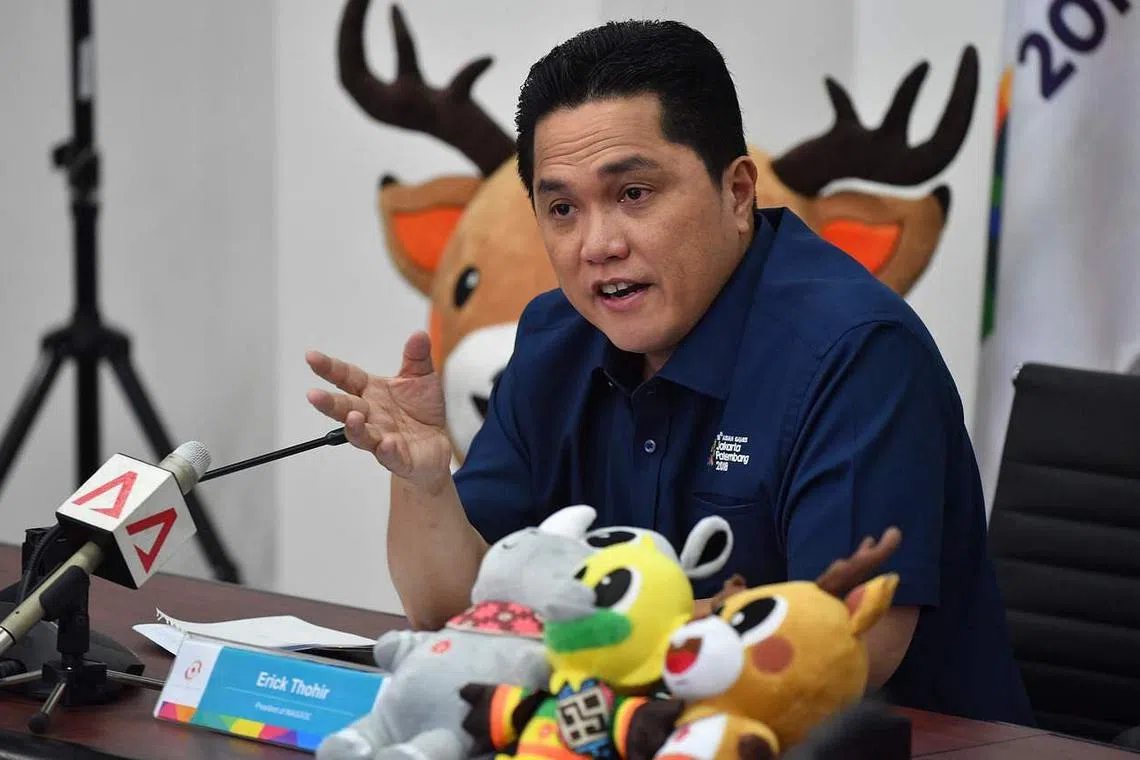
Thohir, a businessman and billionaire from the Adaro Group, was considered highly qualified for this role. This led Prabowo to reappoint him as SOE minister, tasking him with consolidating SOE subsidiary assets to streamline operations and enhance efficiency.
Reviewing the legal framework
Juhaidy Rizaldy Roringkon, executive director of Indonesia Law and Democracy Studies, noted that for Danantara to succeed, it must operate within a clear and robust legal framework to build investor confidence.
This legal backing is critical for ensuring the institution’s autonomy in managing investments without being constrained by the limitations of the state budget.
“Going forward, Danantara could operate under a different legal structure that aligns more with its professional, private-sector-driven nature, as it will be significantly larger and more influential than the existing SOEs,” he said.
He suggested establishing new regulations – distinct from the existing laws governing SOEs – to ensure that Danantara, as a super holding company, is managed with a strong business focus and professionalism.
“This would require Danantara’s assets to be managed independently and with greater discipline, in contrast to the current SOE framework, which treats SOE losses as national losses and exposes them to potential criminal liability, even under the business judgment rule.”
TRENDING NOW

Once staunchly pro-China, Malaysian Chinese businesses are now distancing themselves from Beijing

Looking beyond looming CEO succession, should UOB potentially pursue a transformative merger?

Could stablecoins be the future of money?

Grab CEO’s wife Chloe Tong on life with Anthony Tan and finding her purpose

