



Turbulent politics threaten election gains for Malaysian markets
 Add BT as a preferred source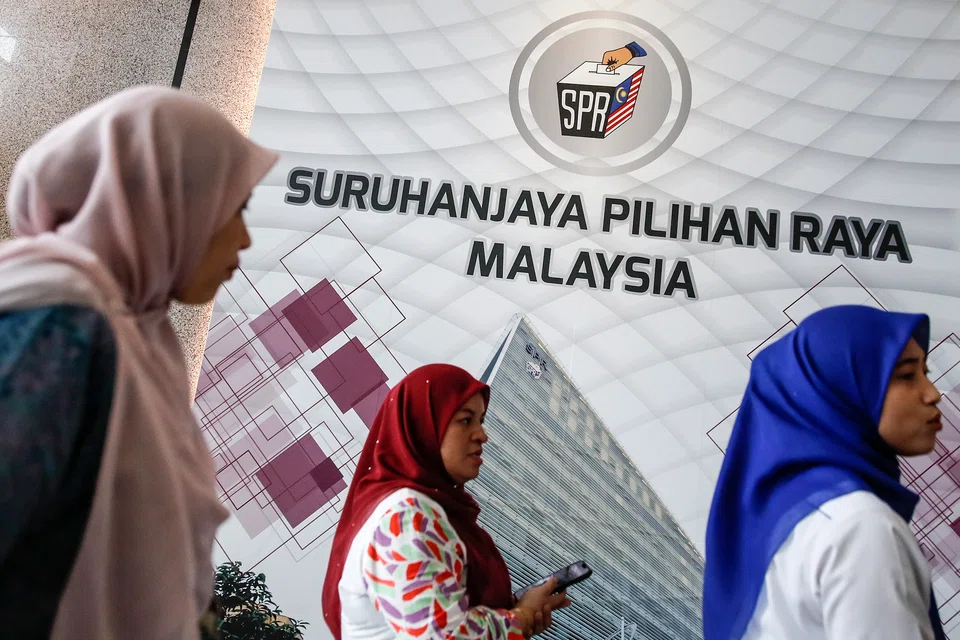
DeeperDive is a beta AI feature. Refer to full articles for the facts.
MALAYSIAN investors hoping to cash in on the country’s customary post-election bounce are at risk of being disappointed, with a turbulent political landscape setting the stage for protracted uncertainty.
The nation struggling with high inflation and a falling currency will hold its general election on Nov 19, about a year earlier than expected. With the race involving four competing coalitions, the ballot may not hand an outright majority to a single party.
Global investors have been net sellers of Malaysian shares since the historic defeat of the long-ruling Barisan Nasional coalition in the 2018 election, adding to headwinds that sent the nation’s main stock gauge towards a bear market. The ringgit is near its lowest level in more than two decades, pushing up living costs in the food-importing nation.
A post-election rally is possible “if there is a stable verdict”, said Nirgunan Tiruchelvam, head of consumer and Internet at Aletheia Capital. “The KLCI’s rise is a function of optimism on commodity prices and the Asian reopening trade.”
In the period between the dissolution of Malaysia’s parliament to one month after an election, the KLCI Index has gained in six of the last nine votes since 1982, according to Maybank Investment Bank. On average, stocks gained about 3 per cent during these periods.
The ringgit has risen during five of the seven periods, not including the 1999 and 2004 elections when the currency was pegged to the US dollar, data compiled by Bloomberg show. BLOOMBERG
Decoding Asia newsletter: your guide to navigating Asia in a new global order. Sign up here to get Decoding Asia newsletter. Delivered to your inbox. Free.
Share with us your feedback on BT's products and services
TRENDING NOW

From 1MDB to ‘corporate mafia’: Is Malaysia facing a new governance test?

Higher costs, lower returns: Why are Singaporeans still betting on real estate?
South-east Asian markets account for 8.8% of global capital inflows from 2021 to 2024: report

Richard Eu on how core values, customers keep Singapore’s TCM chain Eu Yan Sang relevant

