Two currency bets in Asia flash warning signs as year-end nears
Moves in precious metals have also contributed to swings in the region’s currencies
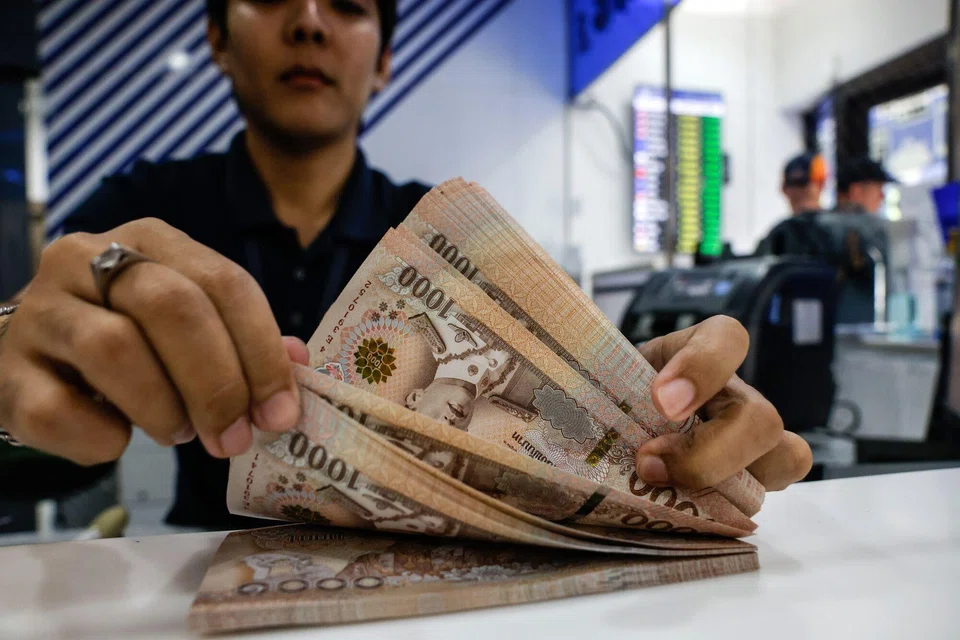
[MUMBAI] Some of Asia’s strongest currency trends are starting to unravel in the final trading days of the year, with the South Korean won and the Thai baht leading the reversals.
The embattled won, which was approaching a threshold last breached during the global financial crisis, has bounced back since the middle of last week, as authorities signalled their support for the currency. On the other end of the spectrum, the baht, the second-best performing Asian currency this year, is ceding ground on fears the central bank may push back against the rally, which threatens the nation’s exports.
The won continued to advance on Tuesday (Dec 30) after capping a third straight day of gains as exporters sold US dollars following expectations of official support for the local currency. The baht extended its decline in the wake of its biggest drop in seven months, with traders on alert for possible intervention by authorities.
The moves underscore a volatile end to a year in which the region’s currencies have been at the forefront of tariff-related trade disruptions and central bank surprises. Those like India’s rupee have hit successive lows as a US trade deal remains elusive, forcing the central bank to step in, while China’s yuan is headed for its best year in half a decade even as the country vows to prevent the currency from overshooting.
South Korean authorities last week rolled out steps to bolster the currency as it neared the psychologically crucial 1,500 per US dollar level amid foreign outflows and fears that more US investment, part of tariff negotiations, could add further strain.
The efforts, which include verbal intervention and the expectation of steps such as strategic hedges by the national pension service, have reduced much of the pressure on the won, said Mitul Kotecha, head of Asian FX and EM macro strategy at Barclays Bank.
Following the moves in South Korea, some analysts attributed the baht’s decline of over 1 per cent on Monday to apprehension that the Bank of Thailand (BOT) could take measures to blunt the currency’s recent gains.
The weakness in the baht may persist going into next year, analysts said, even as Monday’s sell-off caught them off-guard amid sparse year-end trading volumes.
Moves in precious metals, which have ascended to historic highs, have also contributed to swings in the region’s currencies. The baht may have also been weighed down by a rule announced by the BOT that requires financial institutions to declare foreign currency transactions of US$200,000 and above.

The regulation is part of the central bank’s effort to manage the strengthening baht and its correlation with gold transactions, its governor Vitai Ratanakorn said on Friday. BLOOMBERG
Decoding Asia newsletter: your guide to navigating Asia in a new global order. Sign up here to get Decoding Asia newsletter. Delivered to your inbox. Free.
Share with us your feedback on BT's products and services