US chip curbs won’t impact Malaysia’s China ties, PM says
China has not raised any concerns over Kuala Lumpur’s relationship with the US
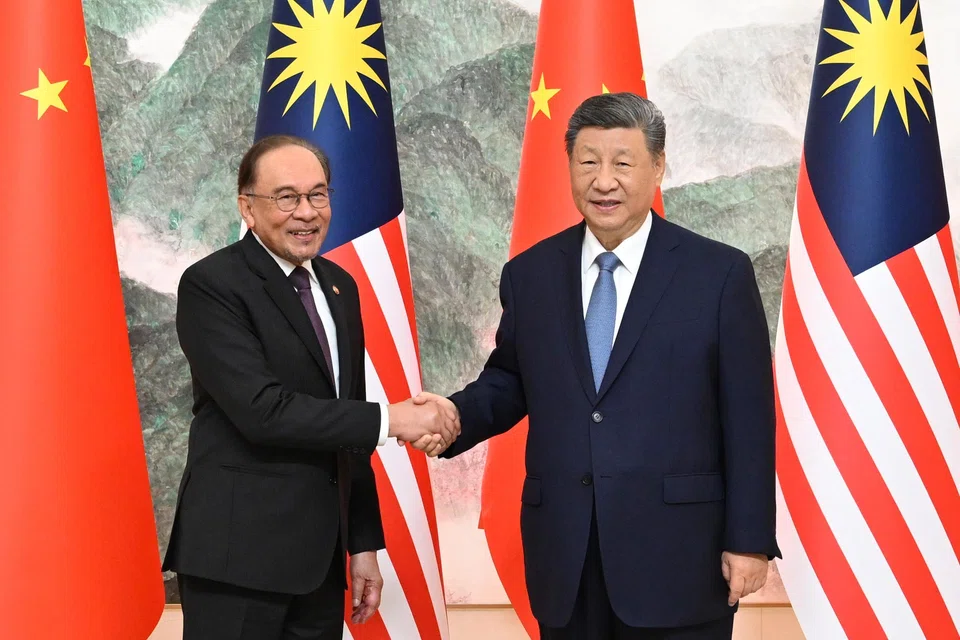
[KUALA LUMPUR] US export curbs on advanced AI chips aimed at restricting their use by China will not deter Malaysia from working with Beijing and Chinese firms, Prime Minister Anwar Ibrahim said, according to an interview published on Tuesday (Nov 24).
Anwar told the South China Morning Post that Malaysia was not leaning to either China or the United States, though he found it generally easier to deal with Beijing, due to existing cultural and regional ties.
China has not raised any concerns over Kuala Lumpur’s relationship with the United States or its technology arrangements with Washington, Anwar said in the interview.
“Having excellent relations with China does not preclude us from continuing to engage with the United States. And the Chinese seem to understand. People tend to suggest that I’m tilting a bit towards China. It’s not true,” he said.
SCMP said the interview was conducted before Anwar’s meeting with Chinese President Xi Jinping during the Apec summit in Shenzhen last week.
The new US rule restricts shipments of advanced chips to South-east Asian countries such as Malaysia, Singapore and Thailand, which Chinese companies have used to access computing power to train AI models.

Anwar said Malaysia would monitor if any US-linked companies were shipping chips to China, just as it would monitor Chinese firms required to operate under rules set by Beijing.
“If you impose a condition on the (US) company that it cannot export to China, fair. We will observe that because that is the agreement you have with your company,” he was quoted as saying.
“But that will not preclude our decision to work with the Chinese, with Chinese investments and with Chinese companies making their own decisions.”

Malaysia would also seek financing from foreign investors seeking government assistance to safeguard its supply chain, Anwar said.
“You want our help? Yes. You pay. We are getting smart as a business,” he said. REUTERS
Decoding Asia newsletter: your guide to navigating Asia in a new global order. Sign up here to get Decoding Asia newsletter. Delivered to your inbox. Free.
Share with us your feedback on BT's products and services