



US, Japan keen on US$15 billion Philippine projects as ties grow
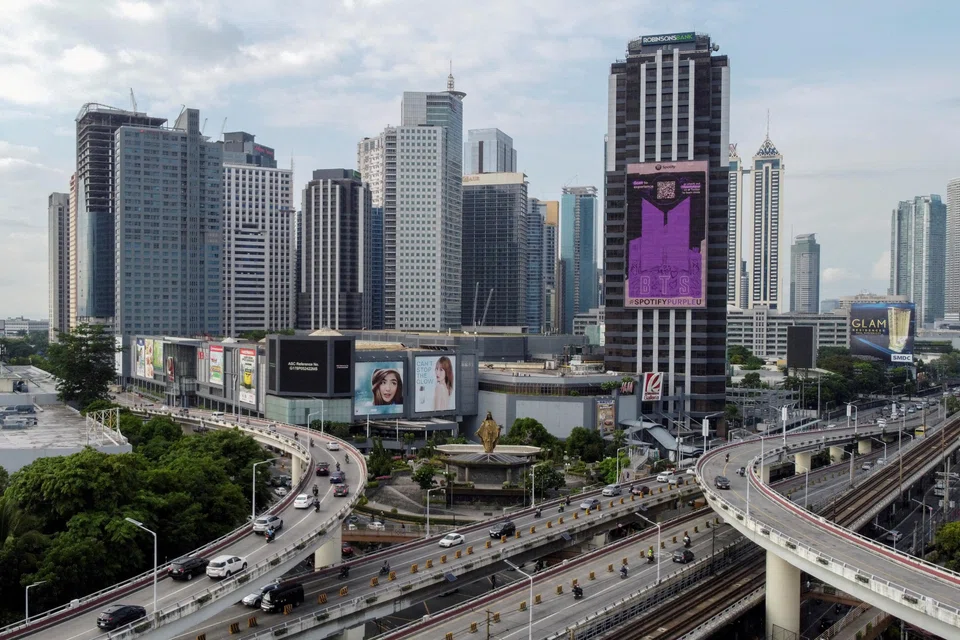
THE United States and Japan are very interested to help fund at least US$15 billion worth of projects on the Philippines’ main island, in signs that enhanced security ties are leading to greater economic benefits, according to President Ferdinand Marcos Jr’s investment czar.
The three nations will prioritise five major projects in the Luzon Economic Corridor plan which may well turn out to be Marcos’ flagship investment programme, said Secretary Frederick Go who advises the president on the economy. The list includes a cargo rail linking Luzon’s major ports estimated at US$11 billion and a renewable energy project, he said.
“We are reaping the benefits of closer defence ties with the US and other allies in terms of promoting investments,” Go said on Monday (Aug 12). The UK is also interested to help fund projects in the corridor, he added.
The Philippines, which lags behind neighbours in attracting overseas investments due to infrastructure gaps and friction costs, is seeking to leverage stronger ties with the US and its allies under Marcos to help unlock economic benefits. The push comes as competition in the region intensifies, with Washington and other Western nations aiming to diversify supply chain sources and reduce their exposure to China.
The plan to reinvigorate Luzon, the country’s main economic engine where the capital sits, was unveiled after US President Joe Biden met with leaders from Japan and the Philippines in April. The three allies are bolstering economic ties as their defence relations grow in the face of Beijing’s assertiveness in the region.
The Philippines’ alliance with the US is expected to remain strong whoever wins the presidential race in November, Go said. The goal is to start the five Luzon corridor projects during Marcos’ term which ends in 2028, he added.
Faster gross domestic product growth, possibly exceeding 7 per cent annually is achievable in the next four years, said Go, as Marcos aspires to shift the economy from being consumption-led to one that’s driven by investment.
Catching up with neighbours in terms of investments has eluded many Philippine presidents. What’s different this time around, according to Go, is that the administration is capitalising on Marcos’ foreign policy agenda to benefit the economy. Part of Go’s task is to provide the follow-through that’s needed to ensure that investment pledges actually materialise.
“This is why I’m focusing on improving ease of doing business and reducing the cost of doing business because they are the key pillars to realising an investment-led growth,” said Go, who was president of Robinsons Land before taking on the government post.

Some early signs are promising. There’s US$1 billion in investment commitments from American businesses during a Biden-initiated trade mission in March. The nation also recently opened up more sectors for foreigners, including renewable energy. GDP expanded 6.3 per cent last quarter, among the highest in South-east Asia, as investments grew by double digits.
Yet other growth drivers have been shaky, with consumption posting the slowest post-pandemic growth in the first two quarters and government spending hampered by limited fiscal space. Signs of strain in the economy are putting the onus on Marcos to lure more investments.
One bright spot for investments is the “Create More” bill which seeks to reduce corporate income taxes and put policies including incentives at par with neighbours.
Go is paying special attention to the electronics and semiconductor sector as it accounts for the country’s biggest goods exports. He’s hoping that “Create More” will usher in more investments in that area.
“We have to play in a field where we are good at,” he said. “At the same time, we should benchmark ourselves with the best in the world to become more competitive,” he said. BLOOMBERG
Decoding Asia newsletter: your guide to navigating Asia in a new global order. Sign up here to get Decoding Asia newsletter. Delivered to your inbox. Free.
Share with us your feedback on BT's products and services
TRENDING NOW

Looking beyond looming CEO succession, should UOB potentially pursue a transformative merger?
MAS holds monetary policy settings, pausing after two straight tightenings

Once staunchly pro-China, Malaysian Chinese businesses are now distancing themselves from Beijing

Stocks to watch: Kore US Reit, Parkway Life Reit, Raffles Education, Vin’s Holdings

