



US recession signal sets off global rush into Indonesian bonds
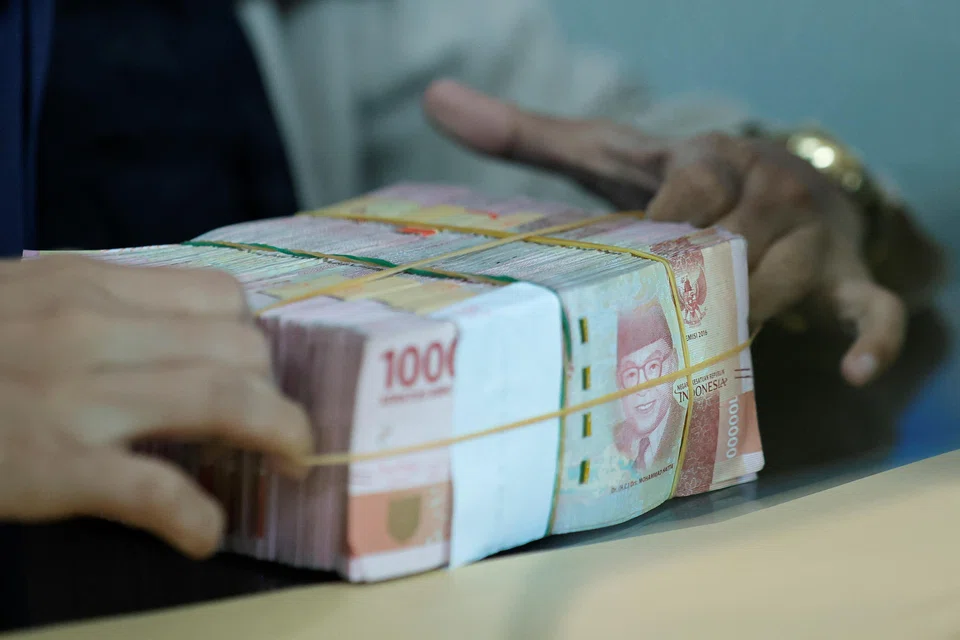
GROWING expectations for a dovish pivot at the Federal Reserve are boosting bonds across Asia — but nowhere more so than in Indonesia.
Rising bets on Fed interest-rate cuts and a potential US recession saw global funds snap up US$3.5 billion of Indonesian debt last quarter, the most in four years. Investors are buying rupiah bonds for other reasons too, including slower inflation and signs local policymakers have finished their own tightening cycle.
“We are constructive on the rupiah-government-bond outlook,” said Jennifer Kusuma, a senior Asia rates strategist at Australia & New Zealand Banking Group in Singapore. Domestic bond demand is sufficient to absorb supply, the inflation outlook is benign, and the comfortable fiscal position means there’s downside potential to the bond-supply target, she said.
Indonesia’s bonds have already returned 7.3 per cent this year, the best performance in emerging Asia after the Philippines, according to Bloomberg indexes. A broader gauge of Asian sovereign debt has gained just 1.9 per cent.
Slower inflation
One of the major positives for Indonesian bonds is the path of inflation. An annual gauge of core consumer prices dropped to 2.94 per cent in March, below the middle of the central bank’s 2 per cent to 4 per cent inflation target for the first time since July.
At the same time, headline inflation slid to 4.97 per cent from 5.47 per cent, helping make Indonesia’s 10-year inflation-adjusted yield — currently around 1.73 per cent — the fourth highest of 13 major emerging-market economies.
Higher carry
While bond inflows have been rising across Asia, those into Indonesia stand out. Net purchases in the first quarter came in at nearly 1 standard deviation above the 10-year average, the highest in the region.
With the US and Indonesian central banks seen approaching the end of their respective hiking cycles, inflows looking for higher carry returns are likely to keep increasing in the second quarter, said Duncan Tan, a strategist at DBS Bank in Singapore.
Even with the bumper inflows, overall positioning remains light. Global funds only own 15 per cent of Indonesia’s outstanding sovereign bonds, down from 39 per cent before the global outbreak of the pandemic in early 2020. That leaves plenty of room for money managers to boost holdings.


Stronger rupiah
The outlook for a stronger rupiah is also helping to encourage inflows. The currency is set to gain from higher oil prices — especially following Opec+’s decision over the weekend to trim output.
Bank Indonesia’s efforts to increase its dollar reserves through its new term-deposit facility is another potential rupiah tailwind. Investors are putting money into the three-month facility, instead of just the one-month tenor, a sign of growing confidence in the central bank’s facility. BLOOMBERG
Decoding Asia newsletter: your guide to navigating Asia in a new global order. Sign up here to get Decoding Asia newsletter. Delivered to your inbox. Free.
Share with us your feedback on BT's products and services
TRENDING NOW

Fed hike throws Singapore banks a margin lifeline; UOB most likely to feel impact

He built the Vingroup empire. Now South-east Asia’s richest man is handing some key roles to his sons

Real-estate veteran Desmond Sim quits from CEO roles at Realion, ETC

Chagee, Mixue and Luckin won the market. Sustaining their edge is the harder part

