



VC firms stay bullish on Indonesian startups despite economic downturn
Jakarta
WITH over 2,000 startups, Indonesia has over the past few years been viewed as one of the top destinations for venture capital and private equity firms. Globally, the country ranks fifth in the startup space, having drawn more than US$8 billion in funding through nearly 700 deals from 2016 to 2019.
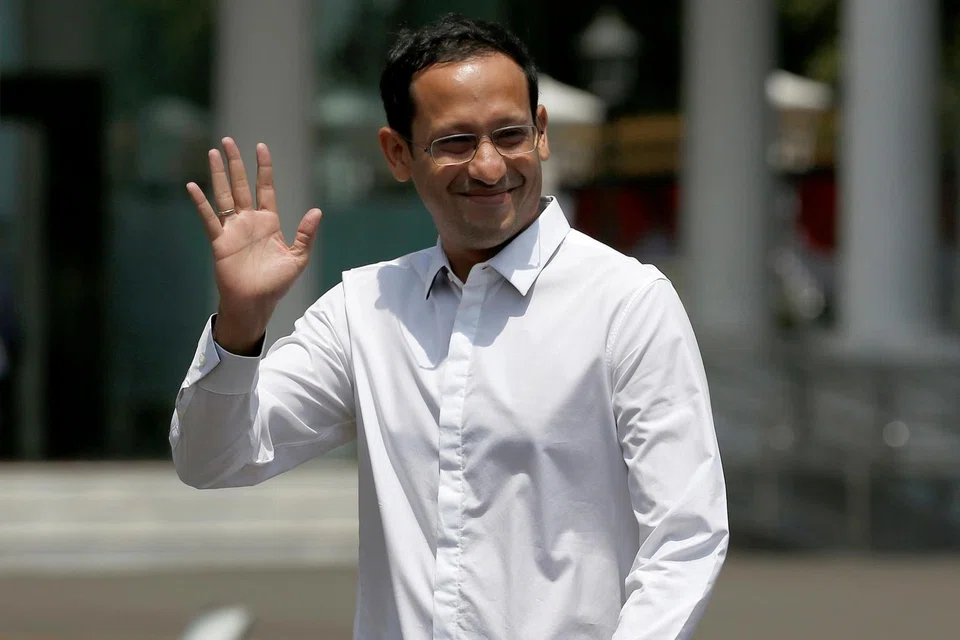
Startup founders such as Nadiem Makarim, co-founder of Go-Jek; Ferry Unardi, co-founder of Traveloka; Natali Ardianto, co-founder of Tiket.com; William Tanuwijaya, co-founder of Tokopedia; and Achmad Zaky, co-founder of Bukalapak are not only extremely wealthy but have attained rock star status in Indonesia.
Given the lure of potential new unicorns, funds have continued to flow into the country's startup sector despite a sharp economic contraction in the second quarter of this year. The latest data available from the Financial Services Authority (OJK) showed that up to May 2020 from a year ago, venture capital financing/placement rose 28.5 per cent to 13.07 trillion rupiah (S$1.21 billion) from 10.17 trillion rupiah.
Market players cite the push towards greater digitalisation brought on by the Covid-19 pandemic as responsible for the strong showing on the funding front despite adverse macro-economic conditions. Even companies in traditional sectors such as mining and construction have adopted greater use of technology, thus benefitting startups that service these sectors.
Startups in transportation, storage and communications saw 205 per cent growth year on year while those in business services grew by 17.15 per cent and those in construction by 55 per cent. Traditional startup sectors such as e-commerce and e-marketplace also continued to grow and attract new funding.
But going forward, investor focus will shift from e-commerce and F&B startups to those that are involved in delivering essential goods, edutech, healthcare and agritech supported by government expenditure.
Edward Chamdani, managing partner of Ideosource Venture Capital, admitted that several of the companies in his portfolio that were in hospitality, B2B and entertainment have been hit hard by the lockdown enforced by the government.
"Covid-19 has forced people to stay home and switch to watching television or video on demand," he noted. "Startups in the hospitality sector have had to cut staff, in some cases up to 70 per cent, as demand has dried up, and overall the pandemic has caused the market to shrink as restaurants and malls have been forced to shut or shorten operating hours."
However, the crisis has unearthed new opportunities for startups that can pivot quickly. As more and more corporations move to serve their customers and clients online, startups well positioned to leverage on this trend stand to benefit.
"Several sectors such as agriculture, food and FMCG, and e-marketplace are growing ... players such as Tokopedia and the others are getting stronger in terms of expanding their customer base," Mr Chamdani noted.
"One of the startups we have invested in, electronic marketplace platform Bhinneka, has added more categories for our corporate clients from electronics to medical and health products as well as consumer goods," he added.
As such, Ideosource has no plans to cut funding in the immediate future and is in fact searching for new investment opportunities. The company recently invested in Inacom, an E2E agro-commodities platform, and Petani Kakoa Lampung, a company established to help cocoa farmers in Lampung improve productivity.
With online education expanding fast as students opt to study from home, edutech startups are gaining attention. Ideosource recently invested in the International Design School, which offers both online and offline courses.
Another niche segment is online certification. With a deluge of online courses, those that offer certification or tie-ups with internationally recognised education institutions are likely to attract more customers.
"The factor that drives our investment decisions at the moment is understanding changing market conditions," he added. "We are looking at recession-resistant sectors such as agriculture and education, and startups that offer tech-based solutions in these sectors."
Donald Wihardja, CEO of MDI Ventures Telkom, is also upbeat about the investment climate in Indonesia for startups. He is focusing on health, logistics and e-commerce, given the strong growth potential of these sectors.
"The Covid-19 pandemic is the best Chief Transformation or Information Officer in the world as it is pushing digital transformation and forcing CEOs to move much faster," he noted. "Covid-19 is accelerating digital transformation adoption and Indonesia should not miss this opportunity to build its digital infrastructure."
As the Covid-19 pandemic exerts an economic toll on Indonesia, many startups are not likely to survive. Well-known fashion startup Sorabel has announced winding up operations as cash has dried up, while others such as EatEasy and Airy Rooms are also likely to close as consumers cut back on travel and entertainment expenditure.
Industry watchers note that over the next six months, investors will focus on mature players with solid track records such as Ovo and Gopay, rather than new startups that have a long gestation period. As the emphasis shifts to essential spending rather than discretionary spending, venture capital firms are also re-evaluating their investment priorities.
TRENDING NOW

One-third of Singapore-listed firms at risk in severe AI downturn: MAS

‘Not done’: Keppel CEO Loh Chin Hua transformed the group, but says there’s ‘still a lot to do’

He built the Vingroup empire. Now South-east Asia’s richest man is handing some key roles to his sons

‘We don’t want to stay as we are’: CEO Patrick Ng builds a more resilient Huationg

