



Vietnam central bank goes slow on rate-cut calls amid risks
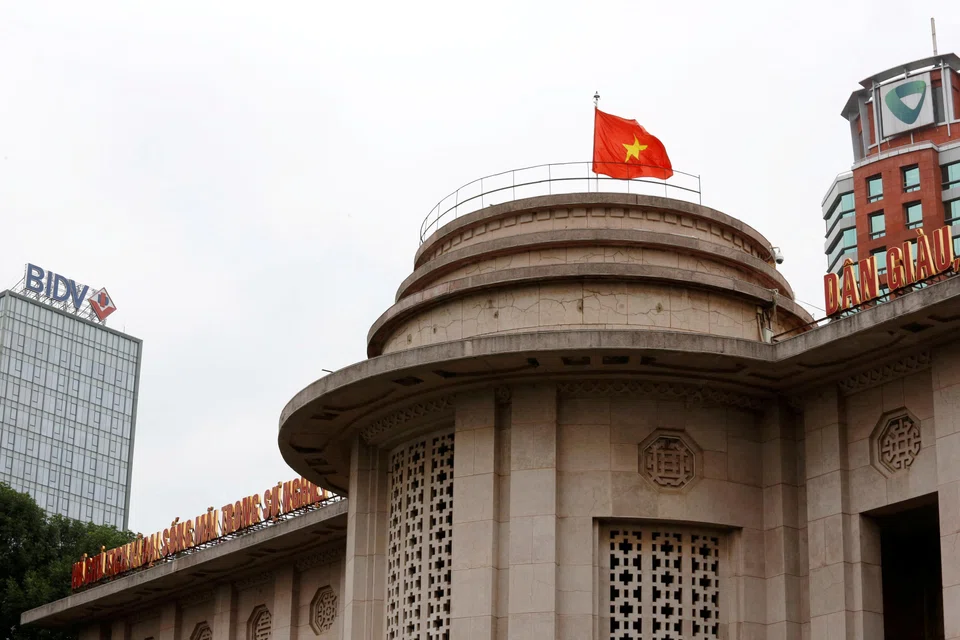
A MONTH or so ago, Vietnam’s central bankers were rushing to ease monetary policy, sometimes within hours of the political leadership asking for an interest-rate cut. Not anymore.
After reducing rates four times since the start of 2023, the State Bank of Vietnam (SBV) is going slow on such actions, even as Prime Minister Pham Minh Chinh has repeatedly sought an easier policy. Concerns over currency weakness and risks arising from low deposit rates are possibly weighing on the minds of policymakers, said analysts.
Vietnam’s dong is already the worst performer among major Asian currencies so far this month, exposing the nation, which sourced US$359 billion worth of goods last year, to imported inflation. Gains to exports – which are equal to 90 per cent of the economy – are also limited, given a downturn in the global demand for goods.
Lower rates are also fanning fund outflows amid a still-hawkish US Federal Reserve, with analysts seeing limited options for SBV. The central bank was the first among 13 in the Asia-Pacific to slash rates this year.
“There is not much that the central bank can do right now,” said Nguyen Quoc Hung, general secretary of the Vietnam Bankers Association. With deposit rates already pretty low, any further reduction can trigger withdrawals by depositors, leaving banks at risk of insufficient liquidity, he said.
Although weak global demand and domestic growth challenges are likely to weigh on Vietnam’s economic performance this year, the central bank has to also weigh risks arising from looser fiscal and monetary policies.
“State capital spending will keep the fiscal deficit above 4 per cent this year,” said S&P Global Ratings, which last month retained the country’s long-term foreign currency debt rating at “BB+”, one level below investment-grade.
Separately, S&P warned: “Vietnam’s dong faces a high risk of a sudden and sharp drop on concerns stemming from the banking sector, low reserves and inflation.”
While the room to cut rates may be limited, SBV deputy governor Dao Minh Tu said last month that one option was to request that banks cut their operational costs to bring down lending rates. The SBV will also review banks’ lending quota so that they can increase loan disbursals, Tu said at the time, amid calls for still-lower rates.

“It takes some time for the policy moves to show its impacts,” said Can Van Luc, chief economist at the Bank for Investment and Development of Vietnam. “We shouldn’t all depend on the central bank’s policy rate cuts, it has to incorporate with fiscal policies.”
Decoding Asia newsletter: your guide to navigating Asia in a new global order. Sign up here to get Decoding Asia newsletter. Delivered to your inbox. Free.
Share with us your feedback on BT's products and services
TRENDING NOW

One-third of Singapore-listed firms at risk in severe AI downturn: MAS

‘Not done’: Keppel CEO Loh Chin Hua transformed the group, but says there’s ‘still a lot to do’

He built the Vingroup empire. Now South-east Asia’s richest man is handing some key roles to his sons

‘We don’t want to stay as we are’: CEO Patrick Ng builds a more resilient Huationg

