



As Vietnam struggles with fuel disruptions, a renewed call to relook price structures
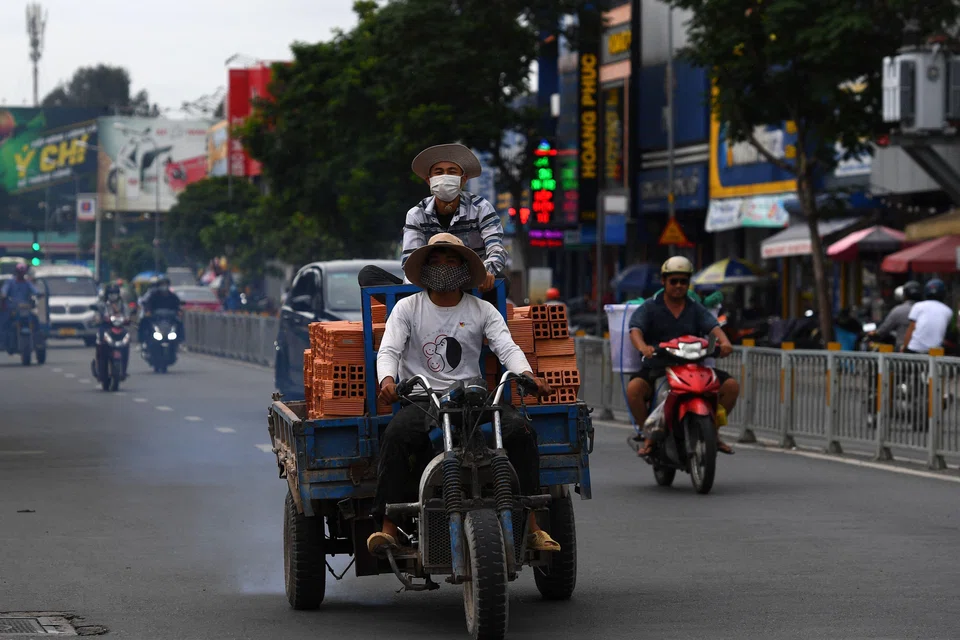
[HO CHI MINH CITY] Vietnam’s petroleum market has suffered repeated disruptions in recent months, resulting in the temporary closures of hundreds of petrol stations in major city centres and raising questions about the country’s fuel pricing regulations.
Local reports have shown hours-long queues at fuel pumps nationwide, with some drivers being turned away entirely. Many operators have taken to limiting sales per customer and decreasing hours of trade in order to ration their supplies, blaming the crisis on fuel reserve shortages and difficulties in sourcing petrol from local distributors.
While drivers have resorted to shuttling between gas stations in an attempt to fill their tanks, illegal roadside vendors have been observed cutting holes in chain fences along the Trung Luong Expressway south of Ho Chi Minh City to sell petrol to desperate motorcyclists. The petrol is siphoned from the end-of-shift dregs of fuel delivery truck drivers.
Earlier this month, Vietnamese Prime Minister Pham Minh Chinh issued a request to the Ministry of Industry and Trade to “ensure oil and gas supplies and prevent shortages”.
Industry observers, however, have suggested that speculation by fuel importers may be more to blame for the issue than any actual shortfall in supply. This observation has been repeatedly borne out by the immediate resumption of fuel distribution upon pricing adjustments being made, suggesting petrol reserves are in fact available.
Industry and Trade Minister Nguyen Hong Dien confirmed that Vietnam has 18.6 million tonnes of oil and gas available – comprising 12.9 million tonnes produced at domestic refineries and 5.7 tonnes imported during the first 10 months of 2022. The supply is sufficient to satisfy 90 per cent of the country’s demand for a full year, he added.
An analysis by Vietnamese economist Tran Huu Hiep suggested that rising global prices earlier this year encouraged Vietnam’s oil importers to invest in higher volumes of petroleum products, as they looked to profit from price increases alongside the burgeoning national demand.
When prices unexpectedly dropped after a mid-year peak, however, national distributors may have chosen to cut retailer commissions in order to minimise their losses, forcing petrol stations to either operate with low or zero profits, or face closure.
Under Vietnam’s law, fuel retailers cannot raise prices above government-mandated levels, which are issued every 10 days. With consumer businesses compelled to sell petrol at prices lower than cost over prolonged periods, many reported facing mounting losses and potential bankruptcy.
Industry insiders claim that the current price adjustment cycle prevents individual businesses from matching fluctuations in global oil prices.
One manager operating around a dozen petrol stations in Ho Chi Minh City reported losses of several hundred million Vietnamese dong (equivalent to around S$40,000) per month since the company’s retail commissions were cut to zero, leading to delays in issuing payments for staff.
“When the price of fuel falls, gas stations everywhere are hesitant to sell, due mainly to concerns about profits,” he wrote in an op-ed for VN Express last month. “They make excuses, with ‘maintenance’ being the most common one, to close down. But soon the public becomes furious, and owners then come clean. As a private business, they just cannot operate at such a loss.”
Vietnam Petroleum Association chairman Bui Ngoc Bao has commented that retailers would need to take at least an additional 400 Vietnamese dong commission per litre above distributors’ costs to break even. Business owners are seeking commissions of 1,000 to 1,500 dong per litre in order to run smoothly.
Bao said current regulations limit retail prices from reflecting distribution costs subject to a six-monthly review, attributing recent losses to volatile prices since the previous adjustment.
Making an attempt to mitigate the crisis, the Industry and Trade ministry has requested for the Ministry of Finance to include the cost of domestic transport in retail prices for petrol, although without response.
On Dec 1, the administration lowered retail petrol prices for the second time in a row following two months of consecutive increases, dropping the cost of RON95 gasoline by 4.54 per cent to 22,700 dong per litre.
In a report for Vietnam News, economist Vu Vinh Phu argued for a transition to a fully market-driven price mechanism with shorter price cycles, bringing domestic fuel prices in line with the international market and eliminating delays that can prompt stocks to be held back in the hopes of selling at higher prices.
Vietnam’s government has said it is currently considering the adjustment of fuel prices every five days, instead of the existing 10-day cycle.
TRENDING NOW

Once staunchly pro-China, Malaysian Chinese businesses are now distancing themselves from Beijing

Philippine power giant First Gen rebuffs foreign offers, plans up to US$2.6 billion in expansion

Grab CEO’s wife Chloe Tong on life with Anthony Tan and finding her purpose
The line between public servants and private property

