



Vietnam’s inflation accelerates in February, more upward pressure ahead
[HANOI] Vietnam‘s consumer prices in February rose 3.35 per cent compared to a year earlier, government data showed on Friday, accelerating from 2.5 per cent in January.
Prices are expected to be under further upward pressure in March due to the Iran war that has forced the South-east Asian country to raise its retail fuel prices. The government targets keeping inflation at 4.5 per cent for this year.
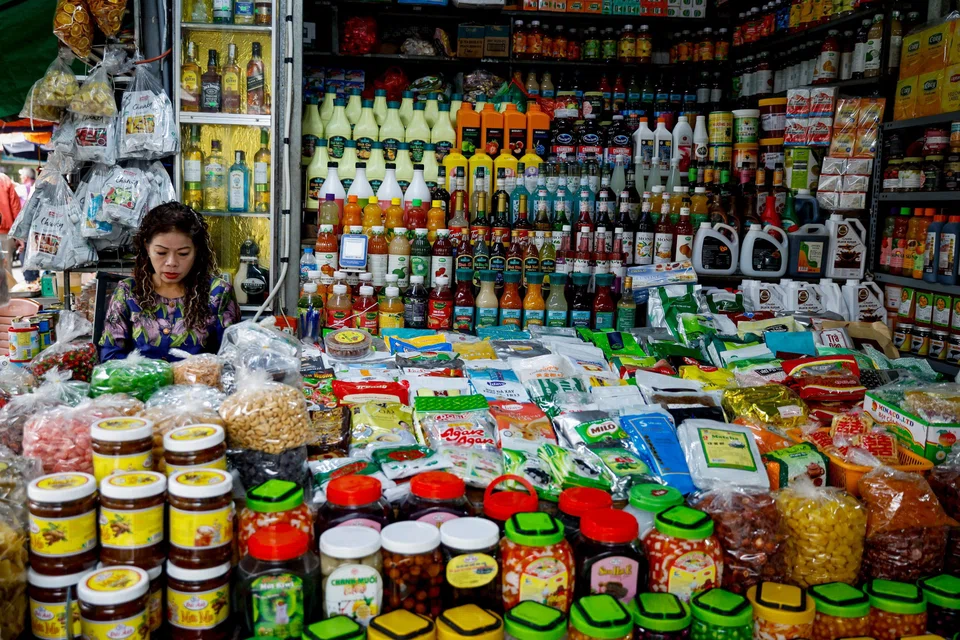
The rise in February consumer prices was led by an increase in the costs for food and drinks, house rent and education services, the National Statistics Office said in a report.
February industrial production rose 1 per cent from a year earlier, slowing down after a 21.5 per cent expansion in January,
Exports in February rose 5.7 per cent from a year earlier to US$33.06 billion, the NSO said.
Imports in February rose 4.4 per cent to US$34.1 billion, resulting in a trade deficit of US$1.04 billion for the month, the NSO said.


For the first two months of this year, exports rose 18.3 per cent at US$76.36 billion, while imports increased 26.3 per cent to US$79.34 billion, creating a trade deficit of US$2.98 billion.
Foreign investment inflows in the first two months of this year rose 8.8 per cent to US$3.21 billion, it said.
Vietnam on Thursday raised retail price for petrol by around 10 per cent and for diesel by nearly 19.5 per cent. REUTERS
Decoding Asia newsletter: your guide to navigating Asia in a new global order. Sign up here to get Decoding Asia newsletter. Delivered to your inbox. Free.
Share with us your feedback on BT's products and services






