Vietnam’s richest man ploughs billions into EVs as his stock booms 1,000%
The majority of Vuong’s wealth is derived from Vingroup, his sprawling conglomerate
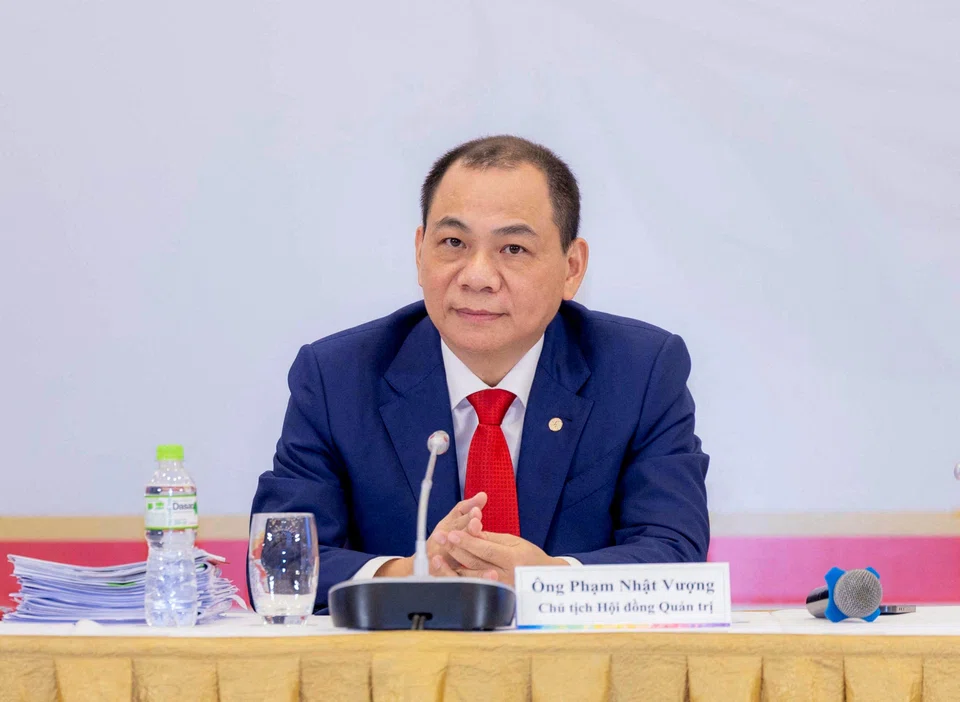
[HANOI] Vietnam’s richest person spent billions of US dollars of his personal fortune on his emerging electric automaker and other ventures last year as the shares of his corporate group soared.
Pham Nhat Vuong contributed US$900 million to VinFast Auto and paid another US$1.59 billion to acquire some of its research and development assets. The US$2.5 billion bet more than doubles his disclosed lifetime contributions to the EV-maker, according to data compiled by Bloomberg from corporate disclosures.
Vuong established VinFast, which has yet to break even, in 2017 in a quest to build a global carmaker. The company lost nearly US$4 billion last year as it opened plants in Indonesia and India as part of a pivot to Asia, following largely unsuccessful efforts to crack the US and European markets. The US state of North Carolina on Thursday (May 21) said it sued VinFast, alleging the company breached agreements tied to a planned electric vehicle and battery manufacturing facility.
The majority of Vuong’s wealth is derived from Vingroup, his sprawling conglomerate that is also VinFast’s parent. After rising eightfold last year, Vingroup’s shares have kept climbing through 2026, making him South-east Asia’s richest person. He is worth about US$30 billion, according to the Bloomberg Billionaires Index.
Vingroup did not immediately respond to a request for comment.
The long rally reflects Vingroup’s role as the No 1 stock for foreign investors looking for exposure to Vietnam, but it also raises questions about the company’s valuation, said Bloomberg Intelligence analyst Jason Low. It currently trades about 150 times price-to-earnings.
To many in Vietnam, including senior government officials, Vuong and Vingroup are a testament to the country’s progression from a socialist economy to a market-oriented one. Vuong started in property development in the early 2000s after making a small fortune in Ukraine with an instant-noodle business. Today, Vingroup develops and operates residential and commercial real estate, resorts, hospitals and schools all over Vietnam, and has recently started ventures focused on robotics, films, steel and more.
VinFast is Vuong’s biggest bet to date. When its first car rolled off the assembly line, then-Prime Minister Nguyen Xuan Phuc declared it “a great day for Vietnam”.
Vuong has personally contributed at least one-quarter of the US$17 billion of financing that has been deployed since VinFast was founded. It sold nearly 197,000 cars last year and more than 400,000 electric scooters and bikes, posting US$3.59 billion of revenue. Vingroup and other companies controlled by Vuong were responsible for 27 per cent of that, down from 31 per cent the prior year.

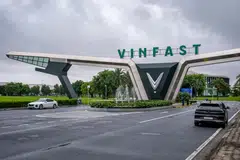
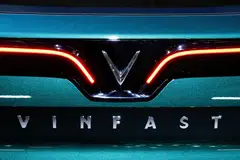
This month, VinFast said it will offload its Vietnam factories to a separate company, sell it and then enter into a manufacturing contract with it. The planned transaction will raise 13.3 trillion dong (S$645 million) for VinFast.
Besides VinFast, the billionaire has recently expanded his corporate group into technology and energy – ventures that are potentially promising but very costly. They include green energy startup VinEnergo Energy and high-speed rail company VinSpeed High-Speed Railway Investment and Development.
Last year he gave some of his personal shareholdings in Vingroup to help establish and fund those two companies, regulatory filings show. It’s not clear what has happened to the shares, which currently would be worth nearly US$6 billion.
The market sees Vingroup “as a key beneficiary of the new pro-growth government”, said Anton Berg, an analyst at Sweden-based asset manager Coeli. The company can thank its size and ability to make huge investments, coupled with its low free float and retail investors chasing momentum trades, for its long stock rally, he said.
But “the share price performance isn’t backed fundamentally,” he said. It’s “been a head-scratcher for the last two years”. BLOOMBERG
Decoding Asia newsletter: your guide to navigating Asia in a new global order. Sign up here to get Decoding Asia newsletter. Delivered to your inbox. Free.
Share with us your feedback on BT's products and services