



Vietnam’s sustainable finance market gains steam as banks boost green lending
Jamille Tran
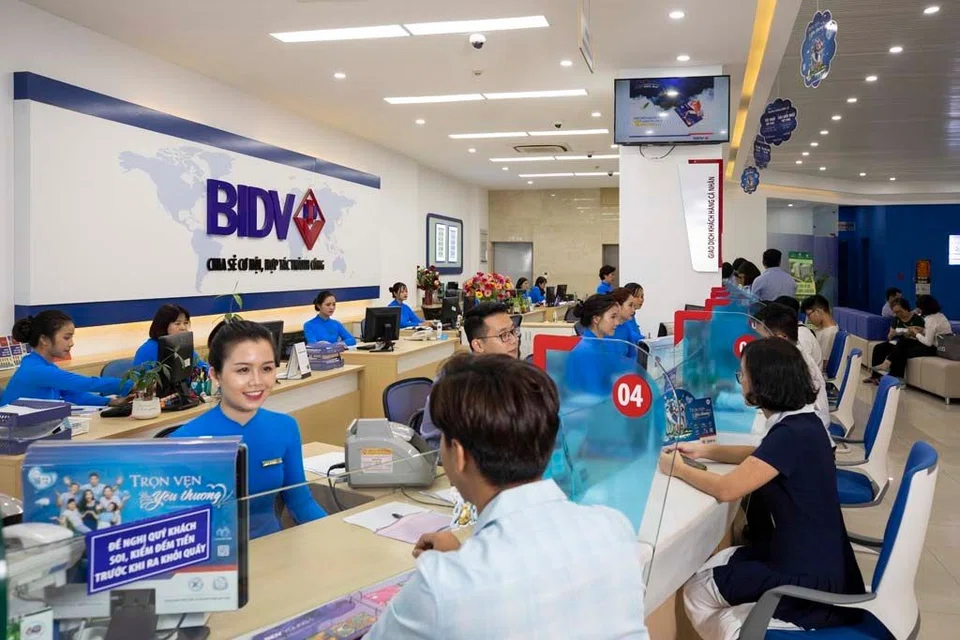
[HO CHI MINH CITY] The new sustainable loan framework issued by the Bank for Investment and Development of Vietnam (BIDV) will accelerate the commercial bank’s development of new sustainable financial products.
These include preferential funding for large projects in renewables and environmentally-friendly technology applications, a spokesperson for the bank told The Business Times.
On Feb 16, BIDV issued this loan framework in consultation with global climate consultancy Carbon Trust, with the aim of boosting the bank’s green and sustainability-linked outstanding loans to US$3 billion by 2025, from US$2.68 billion as of the end of last year.
With the framework, the bank wants to design incentives for small and medium-sized enterprises (SMEs) and startups. The lender added that this effort would, in turn, require the involvement of large multilateral institutions such as the Asian Development Bank.
Since the end of last year, Vietnamese banks have stepped up their efforts to mobilise foreign funds with lower costs to reduce domestic lending rates, improve capital adequacy ratios, and ensure long-term liquidity in the economy.
“The fact that Vietnamese enterprises, especially SMEs, can access funding from foreign funds is a good sign for Vietnam’s economy,” said BIDV.
As of December 2022, BIDV was the top green lender in Vietnam with 13 per cent of the total outstanding green loans in the country’s banking system.
BIDV is not the first Vietnamese lender to make waves when it comes to green loans. In early 2020, Vietnam Prosperity Joint Stock Commercial Bank (VPBank) introduced a green loan framework after receiving a US$212.5 million loan package from the International Finance Corporation.
Analysts said that while these moves are expected to boost the green lending efforts of these two banks, the biggest hurdle is the limited capacity of Vietnamese banks to process green credit appraisals, including the risk assessment and evaluation of new technologies.
The BIDV spokesperson said that the lack of legal guidelines in Vietnam means that current local lending deals with sustainability factors are often adjusted according to criteria adopted by international funding institutions.
“Our construction of the sustainable loan framework tilts towards international standards, (and this will help) to bridge the gap between those standards and local practices in Vietnam,” the spokesperson said.
The demand for the financing of projects with environmental benefits in Vietnam has surged over the years, from just US$3 billion in 2018 to US$38 in 2021, according to an Aug 2022 report by McKinsey & Company. Renewable energy projects such as offshore wind and photovoltaic solar have led this growth with a total of US$21 billion in 2021.
Vietnam’s government has also doubled down on its commitment to achieve net-zero emissions by 2050, a target that was set at the UN’s Climate Change Conference in 2021.
“Based on market momentum and the renewables targets set in the latest draft of Vietnam’s Power Development Plan, demand for financing these projects should continue to grow exponentially,” McKinsey & Company noted.
The consulting firm added that the number of green financial instruments in Vietnam remains low, with only US$216 million worth of green bonds issued from 2017 to 2021. Comparatively, banks in Indonesia, Malaysia and Thailand collectively issued over US$43 billion in green bonds during that same five-year period.
A 2020 survey conducted by the Global Green Growth Institute also revealed that 40 per cent of Vietnamese banks did not have a single green investment project in their portfolio.
Thao Tran, the country director of New Energy Nexus in Vietnam, said that start-ups and SMEs in the energy sector often turn to venture capital funds, unsecured impact loans and grants from overseas donors to finance their growth.
New Energy Nexus is a non-profit that provides funds, accelerators and networks to drive clean energy innovation and adoption.
“Most founders of projects and businesses in energy efficiency are still afraid of banks’ high lending interest rates and the required collateral,” she said.






