



Vietnam’s VinFast electric taxis to arrive in Laos, Cambodia after gaining dominance on home turf
Jamille Tran
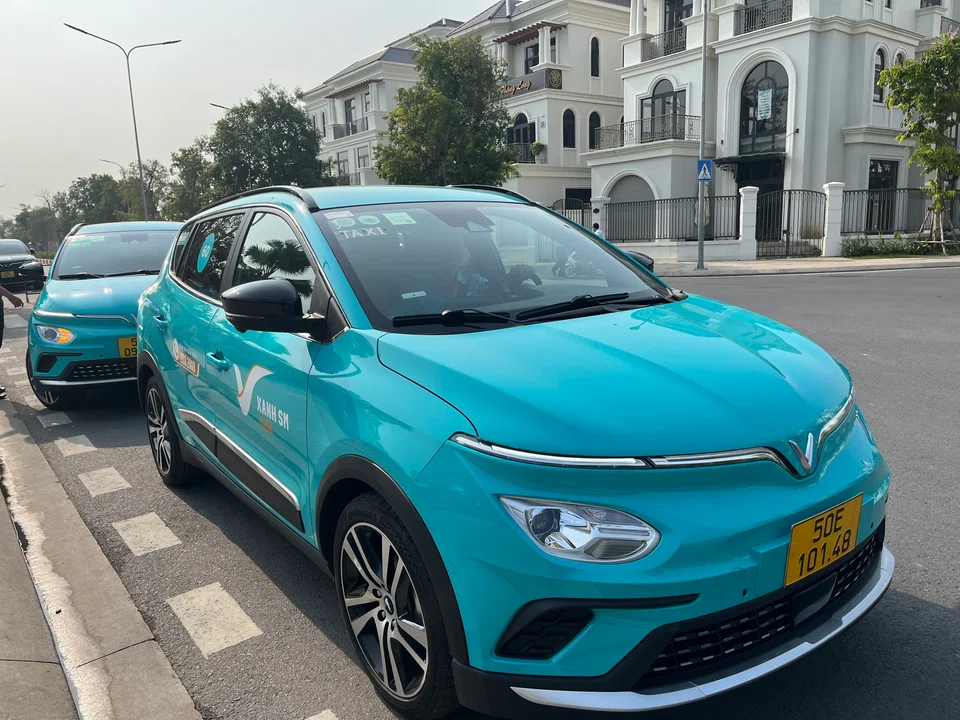
[HO CHI MINH CITY] An electric vehicle (EV) rental and taxi company launched in March this year by Vietnam’s richest man is expanding its e-taxi business to other parts of South-east Asia, with Laos and Cambodia first on the list.
Nguyen Van Thanh, the chief executive officer of Green and Smart Mobility (GSM), told The Business Times that the aim is to get the e-taxis on the roads of those two countries by the end of the year.
GSM was the largest purchaser of VinFast cars in the last two quarters. VinFast is the automobile arm of conglomerate Vingroup. The group’s chairman Pham Nhat Vuong, who founded VinFast, owns 95 per cent of GSM.
“Laos and Cambodia are two countries that prioritise tourism,” said Thanh, adding that technologically advanced electric cars – such as those manufactured by VinFast – will have a competitive edge there.
The aim is to eventually roll out a full-service EV ecosystem in Laos and Cambodia, which would include electric scooter transportation services and EV rentals.
According to data from 2022 search volumes compiled by Gridserve, VinFast was the most sought-after EV brand in 12 countries, including Cambodia.
Thanh added that GSM also wants to bring its suite of services, which are fully deployed in VinFast vehicles, beyond the South-east Asian region.
The company received about 7,100 VinFast cars in the second quarter and 6,000 more in the third quarter, accounting for roughly two-thirds of VinFast’s total EV deliveries from March to September.
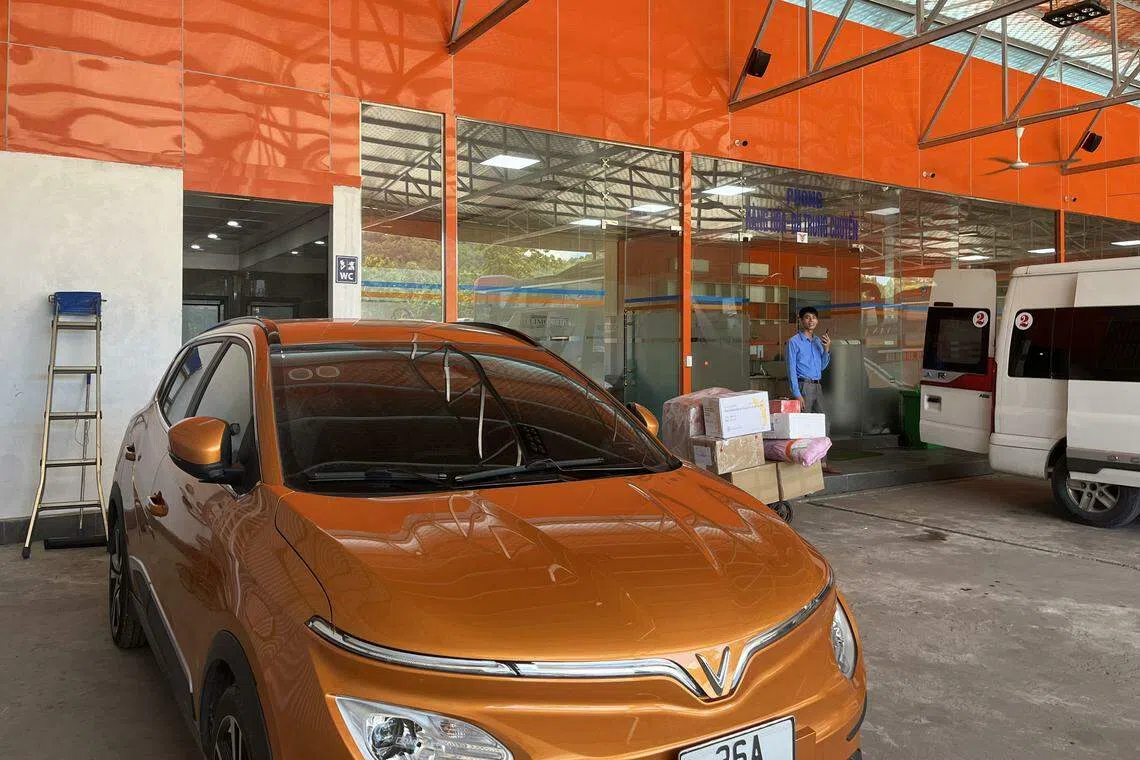
Thanh noted that, as at June, GSM had put 5,500 VinFast EVs on Vietnam’s roads via its own e-taxi service operation. The remaining 1,600 units were sold or leased by local taxi fleet operators and transportation companies.
Growth outlook
According to the latest available data from 2022, there are around 1,000 taxi companies managing roughly 67,000 cabs in the Vietnamese market. This does not include “contract” cars operated by ride-hailing firms such as Grab, which is reported to have a network of at least 55,000 drivers in Vietnam.
The Vietnamese government last year announced a strategy to ensure that all new and replacement taxis will use electric power or green energy by the end of the decade.
BMI Research has forecast that the average annual growth of passenger EV sales in Vietnam, including sales of battery EVs and plug-in hybrid vehicles, would likely hit 25.8 per cent over the next 10 years. The annual sales volume is projected to reach around 65,000 units during the same period, up from just 8,400 units in 2022.
Analysts say VinFast will ride on its biggest buyer GSM’s thriving local businesses and regional growth plans, as well as the government’s ongoing green-transition push.
The Nasdaq-listed company has said it expects to receive around US$1.2 billion in grants from shareholders in the next six months. It has also announced plans to build new EV assembly factories in Indonesia and India to ramp up production in Asia.
GSM plans to eventually have 30,000 e-taxis in 27 out of 63 cities and provinces in Vietnam. Thanh said in April that the company wants to become Vietnam’s leader in the taxi market with at least 20,000 cars in the country in 2023.
In recent months, various local taxi firms have signed contracts to buy or lease thousands of VinFast-branded cars via GSM, with deliveries set to be completed in the next few years.
“The strong growth in battery EV sales (in 2023) stems from increased deliveries of VinFast-branded vehicles as the local automaker ramps up output throughout 2023,” BMI Research said in an August report.
The firm added that VinFast’s battery-leasing business model will increasingly attract taxi fleet operators and support the medium-term growth of VinFast-branded EV sales.
“Besides VinFast, Vietnam’s EV market has only witnessed the arrival of a few Chinese brands, which are still not favourable options for local taxi operators due to concerns about their durability, reliability and after-sales services,” said Nguyen Thuc Hoang Linh, an automobile expert and an administrator of several Vietnamese online car forums.
In the near term, however, Linh believes that gasoline-powered cars will remain the more popular option for taxi companies due to the ready-built support ecosystem and infrastructure.
He added that taxi companies will not limit themselves by using only one type of vehicle – such as battery EVs provided by VinFast. A diverse taxi fleet helps companies navigate uncertain business conditions, avoiding risks caused by over-reliance on a few suppliers that have full control of the country’s fast-charging infrastructure, he said.
Mai Linh Group, a leading taxi operator that owns a fleet of about 15,000 mostly petrol-powered vehicles, announced in August an investment to buy 10,000 new Toyota cars to replace its older models in the next five years.
It is not immediately clear what types of cars Mai Linh purchased, but Toyota’s range of vehicles include internal combustion engine cars and battery EVs.
Bui Danh Lien, deputy chairman of the Hanoi Transport Association, hopes the Vietnamese authorities will create a conducive environment to attract and foster the growth of more foreign EV players in the local market.
“If we open the door for more foreign EV brands, EV types, as well as EV parts producers to come in, it will help improve the competition in the market, drive down costs, and benefit local transportation firms,” he said.
Earlier this year, Vietnam put in place rules that allow completely built-up cars imported from Asean member states to enjoy zero per cent import duty till 2027. In August, the transport ministry also proposed several incentives for EV manufacturers and buyers in Vietnam.
TRENDING NOW

Singapore tech stocks plunge as Nasdaq bloodbath spills into region

S$3 billion money laundering case: Rare Pateks and Rolexes, diamond-covered Hermes and more head to auction
OCBC wealth clients turn defensive amid market volatility as Q3 profit rises 3%

From legacy to launch: Francis Yeoh and Yeoh Pei Xien on family unity and YTL’s next‑gen ventures

