Vingroup chairman-backed GSM aims to take its electric taxis beyond Vietnam
At home, it plans to eventually put 20,000 electric cars on the road
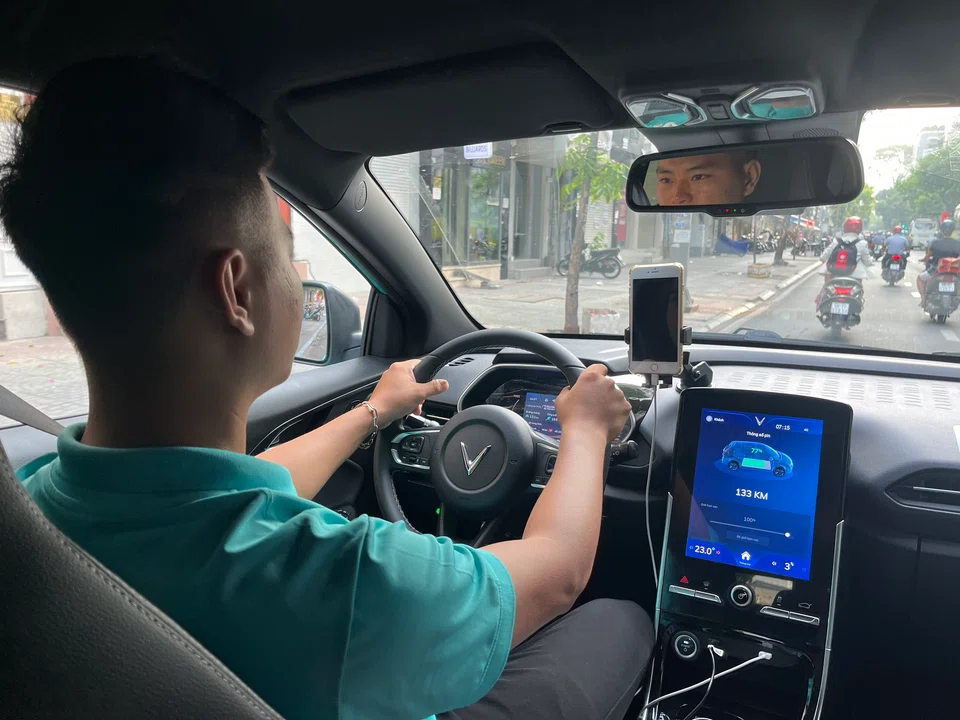
[HO CHI MINH CITY] A new electric vehicle (EV) rental and taxi company, set up by the billionaire chairman of Vietnamese conglomerate Vingroup, plans to roll out some 20,000 EVs at home and eventually take its electric taxi services abroad.
While no timelines have been fixed, GSM Green and Smart Mobility JSC (GSM) is eyeing the international market to provide a boost beyond Vietnam’s own taxi market, which has plateaued in recent years, said chief executive officer Nguyen Van Thanh on Thursday (Apr 27).
He was speaking at the official launch of GSM’s Green SM Taxi services in Ho Chi Minh City, which begin this Sunday. This follows the Apr 14 launch of its services in Hanoi.
Freshly established last month with charter capital of three trillion dong (S$171 million), GSM is 95 per cent owned by Pham Nhat Vuong, chairman of local conglomerate Vingroup.
As Vietnam’s first electric-only taxi company, it exclusively uses electric cars manufactured by Vingroup’s automobile arm VinFast, with 600 such taxis in Ho Chi Minh City now.
GSM plans to expand to five cities and provinces across the country this year, rolling out 2,000 to 3,000 EVs in HCMC alone, Thanh added.
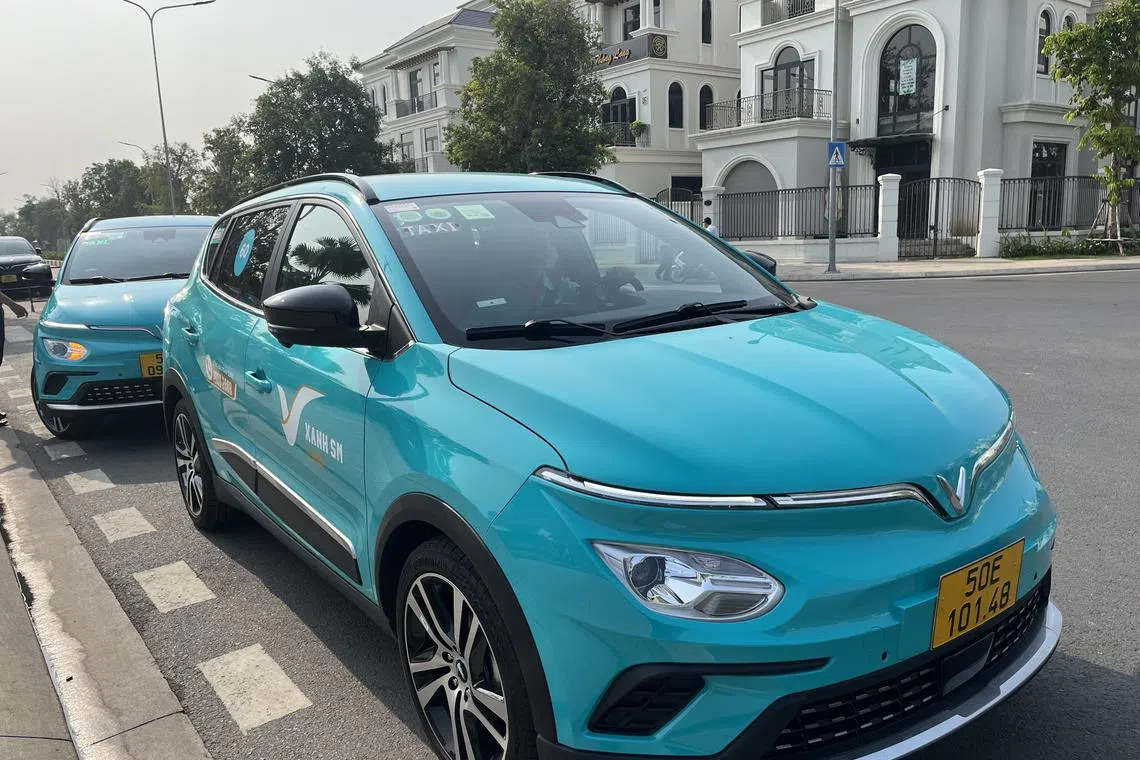
The eventual target fleet size of 20,000 is smaller than that of Singapore’s Grab, which is reported to have at least 55,000 car drivers in Vietnam. But it is larger than that of other leading traditional taxi providers. For example, Mai Linh Corporation has the largest taxi market share in Vietnam with around 15,000 vehicles nationwide.
In Vietnam, ride-hailing platforms take up the lion’s share of the market in Hanoi and Ho Chi Minh City. But traditional taxis – hailed on the road or booked via phone calls – remain more popular outside these two biggest cities, based on a 2021 survey by local market research company Q&Me.
Thanh said that GSM will operate with a hybrid model, meaning that passengers can book a cab via both mobile apps and phone calls. In its first seven days of operation in Hanoi, GSM made about 60,000 trips with a fleet of 600 vehicles.
In addition to its own taxi brand, GSM provides vehicles for other taxi and delivery companies. In March, it invested an undisclosed amount in Grab’s local rival, Be Group. Under the collaboration, GSM will allow Be drivers to rent or purchase VinFast electric cars and motorbikes at exclusive rates.
Vietnam Register data shows that the country had around 3,000 electric cars and 1.8 million electric motorbikes on the roads as at end-2022. With record sales of about 510,000 cars last year, Vietnam is attracting the arrival of low-cost electric car brands from China, as well as luxury EV models from global players such as Mercedes and Audi.
Given the current take-up of EVs in Vietnam, Thanh believes GSM’s planned fleet of 20,000 electric taxis will not pose an issue for buildings’ electrical systems or the local electric grid, even with extensive charging demand during peak hours.
“We still encourage drivers to charge during off-peak hours, when there is the least demand for charging,” he said. “GSM is also installing charging booths at its vehicle depots to reduce overloading at VinFast’s public charging stations.” He added that his company is working closely with authorities to ensure a smooth and effective green transition for transport in Vietnam.
Last year, Vietnam’s government issued an action programme on the green energy transition in the transport sector, aiming to convert all taxis to EVs by 2030.
With GSM’s electric taxi services putting more VinFast cars on the road, observers said that the EV maker can fast-track the feedback process to improve its vehicles as well as drive more local EV adoption.
Separately on Thursday, VinFast announced that it will receive US$2.5 billion in fresh funding from Vingroup and its chairman Vuong.