



Why energy transition matters in South-east Asia’s golden decade
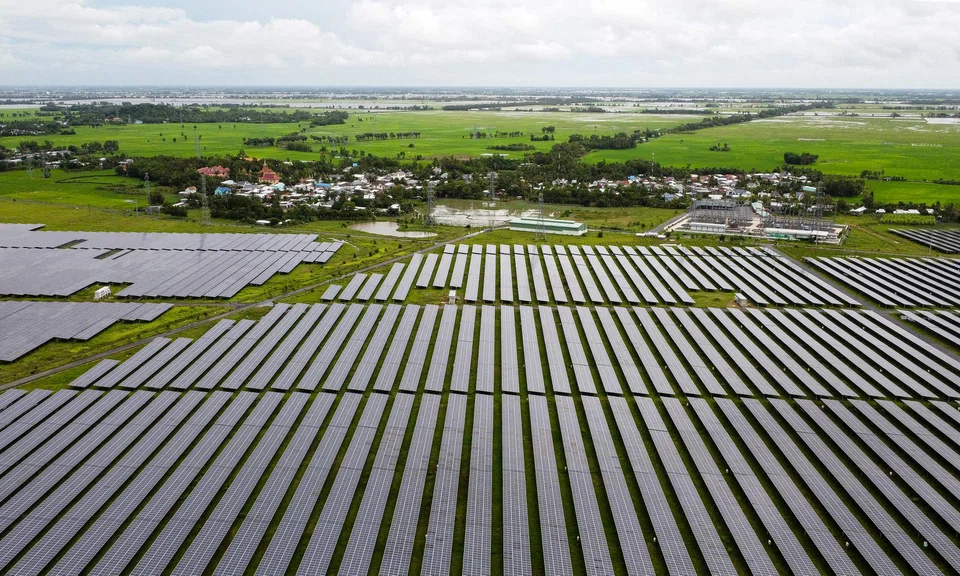
Rising sea levels have ceased to become a mere climate threat in South-east Asia. Amid the backdrop of a robust business ecosystem and thriving innovation space, the region is walking on a minefield marred by natural disasters, diseases, and heatwaves, which can significantly impede progress in Southeast Asia’s golden decade.
Asean markets are exposing themselves to economic risks brought about by climate change – with McKinsey’s report predicting 8 to 13 percent of annual GDP to be affected by productivity loss following rising heat and humidity by 2050. With food and water security issues seen to plague the region’s economic climate, regional stability hinges on accelerating climate action.
Widespread renewable energy adoption has been a long-standing goal among many governments in the region. However, most South-east Asian markets are still heavily reliant on traditional and centralised energy systems in powering buildings and operations.
With energy demand in the region estimated to grow by 3 per cent on average until 2030, it is imperative to quickly accelerate renewable power generation by making the shift towards decentralisation.
Leapfrogging energy transition barriers
Improving the affordability and accessibility of renewable sources is key to decarbonisation. But realising the true potential of flexible energy systems across the region depends on fostering stakeholder collaborations in the energy space. Consumers, governments, industries, innovators, and technology companies must work hand in hand to actualise the vision of distributed energy resources and the successful integration of renewables into the Asean Power Grid.
It is heartening to see that there have been strides to accelerate decentralised energy grid adoption and power trade. Recently, Singapore and Laos strengthened their energy cooperation with an MOU that facilitates renewable energy deployment in Lao PDR, regional power grid development to support cross-border electricity trade, and the establishment of systems for measuring, reporting, and verifying renewable energy.
In June, Singapore began importing up to 100MW of hydropower from Laos via Thailand and Malaysia – marking Singapore’s first renewable energy import and a significant milestone in Asean’s electricity cross-border trading history. On a national level, there are already financial incentives in place for Singapore solar consumers looking to sell excess renewable energy back to the grid.
While there has been some progress on the energy transition front, many Asean markets are still facing challenges.
Vietnam, which has the highest solar power generation capacity in the region, is facing setbacks in its clean energy transition due to inadequate grids and regulations. Malaysia is still in the midst of researching and assessing the suitability of demand response programmes. Indonesia may have kickstarted a few smart grid pilot projects supported by the government, but it still has a long way to go to achieve its 23 per cent national energy mix target by 2025.
While renewable energy initiatives in the region are a step towards the right direction, accelerating the Asean Power Vision entails implementing more policies that incentivise smart grid adoption across markets.
Bridging the investment gap is also critical in energy transition. South-east Asia still has relatively low levels of renewable power investments and high capital costs when it comes to implementing such solutions. Mobilising the impact investing community, streamlining the speed of capital movements, and making South-east Asia’s green finance projects more accessible to investors can help tackle this challenge.
Today, incubators and accelerators are helping bridge Southeast Asia’s decentralised energy startup founders with the right expertise and capital, to propel energy transition in the region. Ultimately, impact investing success depends on generating awareness around renewable energy initiatives and ensuring that the right impact investors are mobilised for these projects.
Changing mindsets and paradigms
Impact investing and financial incentives may set the stage for South-east Asia’s energy transition, but a shift in the energy paradigm is still necessary. At the heart of this are prosumers who are actively engaged in energy production and storage. Creating a scope for bidirectional energy flows where consumers have the ability to receive and resend energy to the grid can help bring renewable energy sources at scale and at affordable prices, while significantly alleviating the burden, inefficiency, and instability of traditional power grids.
In this new energy paradigm, the function of buildings needs to evolve as well. We need to rethink the role of buildings as electric grids – “all-in-one” energy hubs that can help generate renewable energy and scale the adoption of renewables.
South-east Asia’s economy is currently on the edge of a precipice. Now more than ever, growth prospects in the region’s golden decade hinge on accelerating the speed of energy transition. Besides strengthening stakeholder collaborations, improving incentives, and accelerating impact investing, we should work on changing mindsets: encouraging consumers to become prosumers and exploring approaches to on-site renewable generation. By plugging gaps in the decarbonisation equation, we can unlock new opportunities that can strengthen South-east Asia’s economic outlook and ease our transition towards a sustainable, low-carbon future.
The writer is vice president, East Asia, at Eaton Electrical.
Decoding Asia newsletter: your guide to navigating Asia in a new global order. Sign up here to get Decoding Asia newsletter. Delivered to your inbox. Free.
Share with us your feedback on BT's products and services
TRENDING NOW

Once staunchly pro-China, Malaysian Chinese businesses are now distancing themselves from Beijing

Britain’s mansion tax shows the difficulty of targeting wealth

Three hats, one goal: How Ng Kian Swan runs sustainability at NUHS

COE review: The gap between luxury and mass-market cars isn’t the only one worth bridging

