Why Malaysia Airports’ multi-billion ringgit privatisation matters
The controversial deal led by the country’s two largest state-linked funds will see Malaysia Airports leave Bursa Malaysia after 25 years – a historic shift in the nation’s aviation and investment landscape

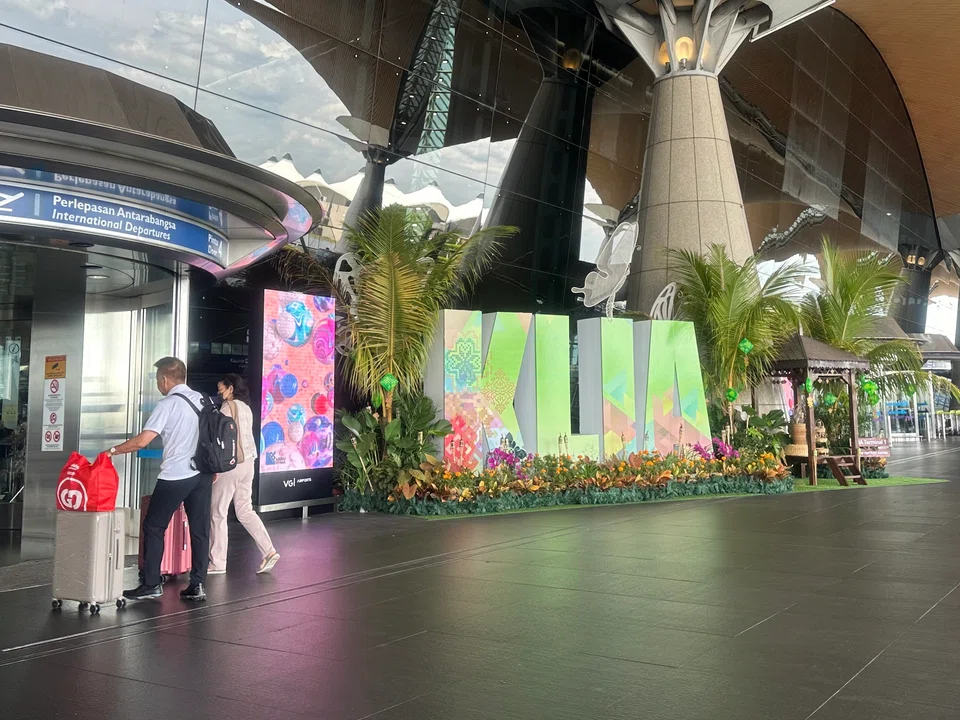
[KUALA LUMPUR] After a turbulent ride fraught with pricing and sovereignty concerns, controversial consortium ties, and lingering doubts over its ability to elevate Kuala Lumpur International Airport’s (KLIA) global standing, the RM7.3 billion (S$2.2 billion) privatisation of Malaysia Airports Holdings Berhad (MAHB) is nearly done and dusted.
On Thursday (Feb 20), trading in MAHB’s stock was suspended to make way for the official delisting set for Feb 26.
With that, MAHB, which operates 39 airports across the country as well as the main international airport in Turkiye, is set to make history as it exits Bursa Malaysia after 25 years as a publicly listed company. The deal, announced last May, was spearheaded by the Gateway Development Alliance (GDA) consortium, which includes Khazanah Nasional, the Employees Provident Fund (EPF) and other strategic partners including a company linked to New York-based BlackRock.
While the privatisation seeks to improve MAHB’s financial stability and operational performance, the move sparked controversy. While an independent adviser has deemed the offer “not fair but reasonable”, MAHB’s independent directors have strongly opposed it, arguing that it is both unfair and unreasonable. As MAHB transitions into private ownership, stakeholders are closely watching how this development will impact Malaysia’s aviation sector and the company’s growth trajectory.
Here are a few interesting things to know about MAHB’s privatisation.
End of an era
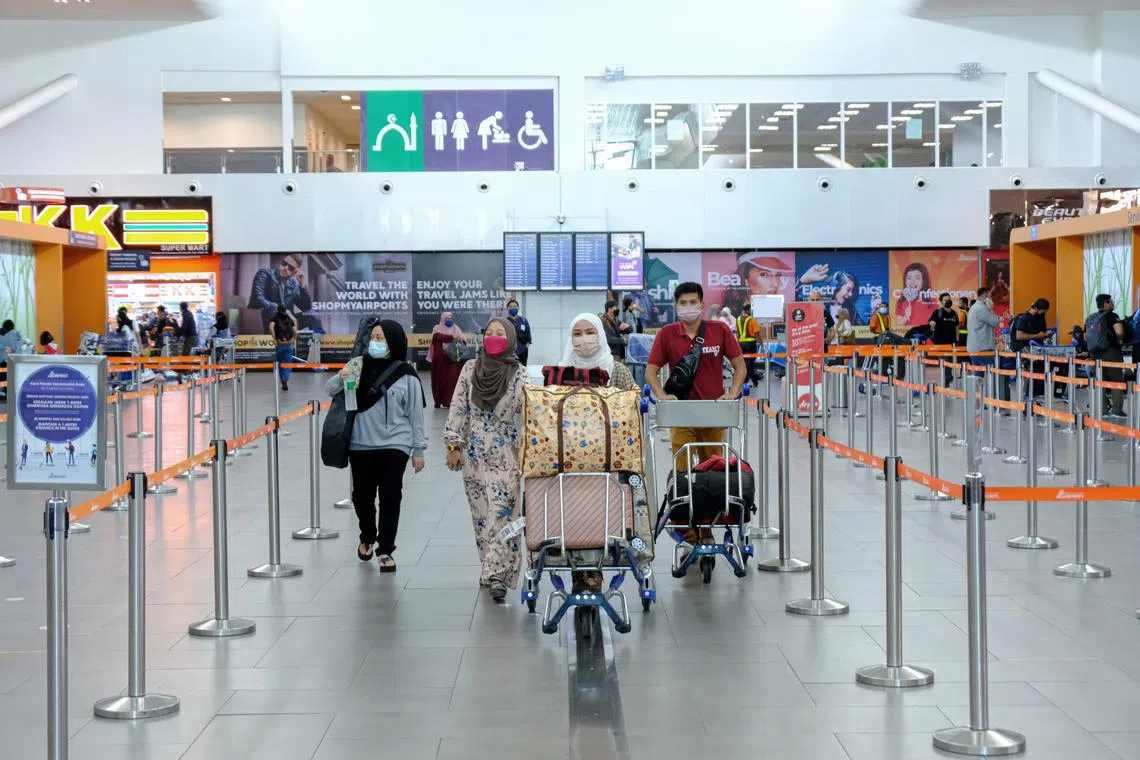
The deal values MAHB at RM18.3 billion, which has been listed on Bursa Malaysia since 1999. With that, the delisting exercise marks the end of an era for the country’s largest airport operator. At the core of its operations is KLIA, which remains one of South-east Asia’s busiest hubs – underscoring the importance of MAHB’s role in the region’s aviation landscape.
In the financial year ended March 2023, MAHB’s revenue surged 61 per cent to RM4.6 billion, driven by a sharp rise in international passenger traffic. When MAHB debuted on Bursa Malaysia in November 1999, its shares were priced at RM2.50 each. As at Feb 18, 2025, the stock traded at RM10.90 per share, just shy of its all-time high of RM10.94, reached on Feb 7, 2025.
As MAHB nears the completion of its privatisation by February’s end, attention turns to long-term investments and operational upgrades. Under new managing director Mohd Izani Ghani, MAHB plans to invest in infrastructure expansions and advanced technologies to improve security, baggage handling and overall passenger experience.
Issue of national interest
Led by Khazanah Nasional, EPF, GIP and the Abu Dhabi Investment Authority (ADIA), the privatisation of MAHB is positioned as a strategic move to drive the company’s long-term growth and operational efficiency.
The GDA consortium, the driving force behind the privatisation, consists of:
- Khazanah Nasional (40 per cent) – Malaysia’s sovereign wealth fund, ensuring government oversight.
- EPF (30 per cent) – A key Malaysian pension fund supporting long-term investment.
- GIP Aurea (30 per cent) – A joint venture where GIP holds 83.3 per cent (equivalent to a 25 per cent stake in GDA) and ADIA holds nearly 16.7 per cent (equivalent to a 5 per cent stake in GDA).
The government has reassured the public that Malaysia’s sovereignty and national interests will remain safeguarded despite the privatisation that also involves foreign parties.
The consortium taking over the company is led by government-linked investment firms, which hold a 70 per cent majority stake, while the government retains a “golden share” that grants authority over key appointments, including the chairman and managing director.
To allay concerns over foreign control of strategic assets, government officials emphasised that national interest will be safeguarded, with MAHB’s strategic direction aligning with national priorities through the government’s retained “golden share” and oversight.
Why privatise MAHB?
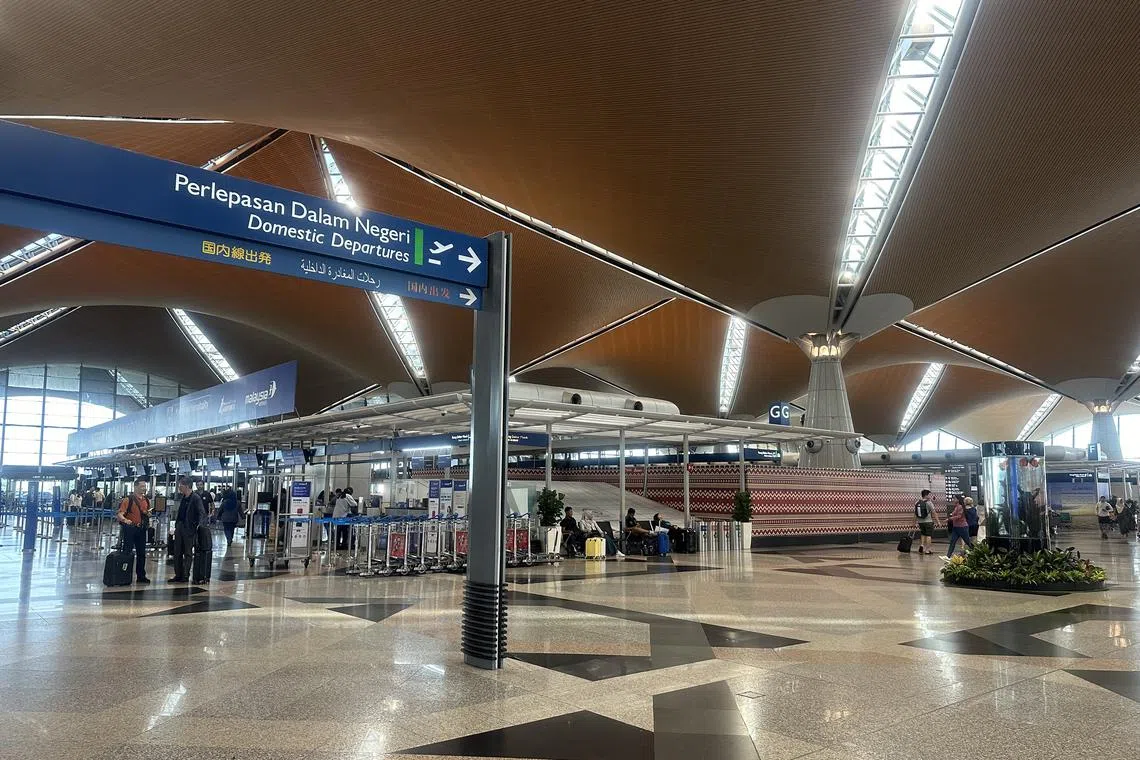
The decision to privatise MAHB aims to secure Malaysia’s aviation future and boost competitiveness. For years, as a publicly listed company, MAHB juggled short-term profit demands with the hefty capital needs of upgrading and expanding airports. Privatisation is hoped to free the company from these constraints, allowing greater financial flexibility for long-term investments.
Operational setbacks, such as the 2023 KLIA aerotrain breakdown, highlighted the need for improved management, which the privatisation aims to tackle by adopting world-class practices from experienced partners. This move mirrors global trends, with major airports such as Heathrow and Sydney Airport opting for private ownership to enhance efficiency and attract investment.
The BlackRock controversy
The privatisation of MAHB has ignited controversy, primarily due to BlackRock’s indirect involvement in the deal.
In October 2024, BlackRock – the world’s largest asset manager – acquired GIP, giving it an indirect 25 per cent stake in GDA, the consortium leading the privatisation. BlackRock has substantial investments in Israel and has been a major investor in companies that supply the Israeli defense forces.
Critics have raised concerns about foreign influence over Malaysia’s critical infrastructure, with some alleging potential geopolitical risks tied to BlackRock’s global operations. Opposition figures argued that MAHB, a national asset, should remain entirely under Malaysian control. In response, Khazanah Nasional’s managing director Amirul Feisal Wan Zahir clarified that GIP would not participate in MAHB’s management.
EPF’s moves under scrutiny
Malaysia’s retirement fund EPF has also come under scrutiny for buying back MAHB shares at RM11 each in 2024, just a year after selling them for RM6 in 2023. This raised questions about whether the fund had sold them at an undervalued price, potentially shortchanging its contributors and further prompting calls for transparency over the fund’s decision-making process.
The timing of the sale, coupled with concerns over the low offer price for MAHB’s privatisation, sparked debate about whether the deal was truly in the best interests of EPF members. On its part, EPF refuted allegations of misconduct or regulatory breaches in the buying and selling of MAHB shares and the purported losses incurred from the transaction.