Asia supercharges vaccination efforts after slow start
 Add BT as a preferred source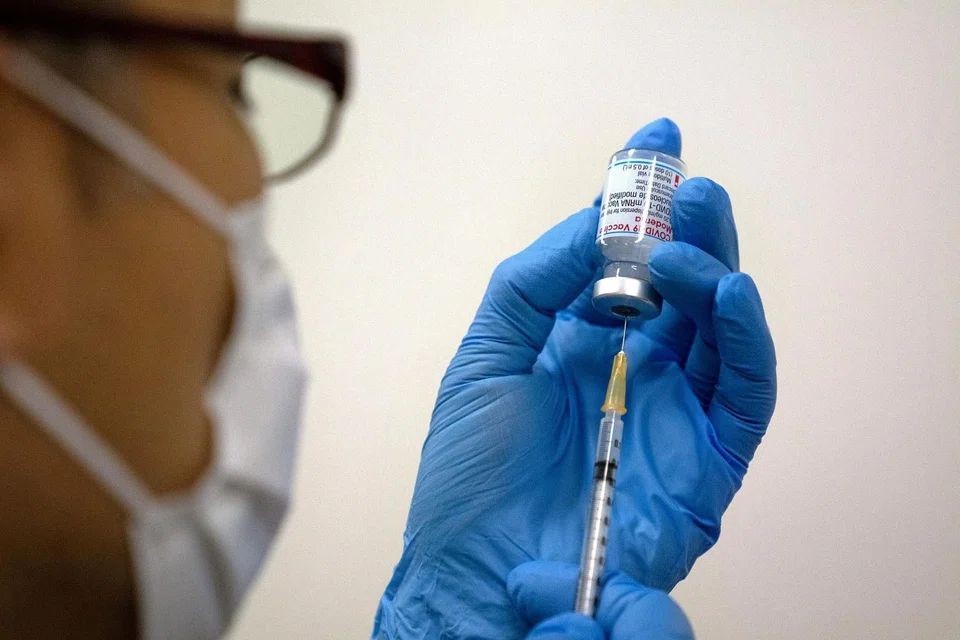
DeeperDive is a beta AI feature. Refer to full articles for the facts.
Tokyo
SEVERAL Asian nations are quickly ramping up vaccination campaigns from shaky starts to combat growing Covid-19 infections, as supply shipments roll in and people overcome hesitancy in hopes of easing curbs and freeing up travel.
Japan and South Korea have passed the United States in terms of those who have received at least one dose and are fast catching up with the second.
And Australia, which is targeting high vaccination rates in its drive to escape lockdowns and reopen borders, has given 56 per cent of people at least one shot as infections peak.
"That 70 per cent double dose and 80 per cent double dose mark is within plain sight," Prime Minister Scott Morrison said on Thursday. "Keep going, Australia."
While each country's inoculation strategies differ, Asia's momentum reflects pent-up demand for the shots as a means to ease lockdowns, said Paul Griffin, an infectious disease expert at the University of Queensland in northeast Australia.
Navigate Asia in
a new global order
Get the insights delivered to your inbox.
Australia is giving priority supplies to its largest cities, which are in lockdown to contain a third wave of infections fuelled by the Delta variant. It expects to have enough to complete vaccinations of those older than 12 by mid-October.
Japan has overcome initial logistics hurdles to give about a million shots a day since mid-June, as urgency has grown after Delta unleashed an unprecedented wave of infections and serious cases in August.
The country's vaccination rate reflected a push to "return to a normal way of life", Prime Minister Yoshihide Suga said on Thursday.
Vaccine take-up was also boosted by consistent public messaging to counter health scares that have doomed similar previous drives, said Fumie Sakamoto, an infection control manager at St Luke's International Hospital in Tokyo.
Still, experts agree that vaccinations will plateau everywhere.
For instance, the US and Britain, which had raced ahead to vaccinate millions of people a couple of months ago, are now seeing stagnating inoculation rates as large swathes of their populations reject the shots.
China, where more than 70 per cent of the population have received both doses, said this month that it was difficult to expand its vaccination drive, but did not say where the roadblocks were.
Singapore, the most inoculated nation in Asia with more than 80 per cent people fully vaccinated, is turning its focus to booster doses as infections spike.
While there are some holdouts, especially among the elderly and those worried about side effects from the new mRNA vaccines, people have a high level of trust in the government, which helps with compliance.
Singapore has tied its reopening to vaccination rate milestones and set limits on unvaccinated people dining at restaurants.
South Korea, which struggled to get vaccine supplies initially, has supercharged its campaign, thanks to increased shipments.
It is likely to reach more than 70 per cent of its population with a first dose before this week, an official said on Thursday.
India, with the world's second-highest tally of infections, has given 42 per cent of its population of nearly 1.4 billion at least one dose, after months of production shortages and high demand. REUTERS
Decoding Asia newsletter: your guide to navigating Asia in a new global order. Sign up here to get Decoding Asia newsletter. Delivered to your inbox. Free.
Share with us your feedback on BT's products and services