
Global factory activity improves on growing demand
Key Asian exporters fare better, and the eurozone marks a return to manufacturing expansion
 Add BT as a preferred source
[BENGALURU/TOKYO] Global factory activity improved in January, with a better performance by key Asian exporters and a return to manufacturing expansion in the eurozone, private surveys showed on Monday (Feb 2).
This suggests that the hit from higher US tariffs may have run its course for now.
The Hamburg Commercial Bank Eurozone Manufacturing Purchasing Managers’ Index (PMI), compiled by S&P Global, rose to 49.5 in January from December’s nine-month low of 48.8, with a return to output growth after a contraction the month before.
Manufacturing activity growth in export powerhouses Japan and South Korea hit multi-year highs, suggesting brightening prospects.
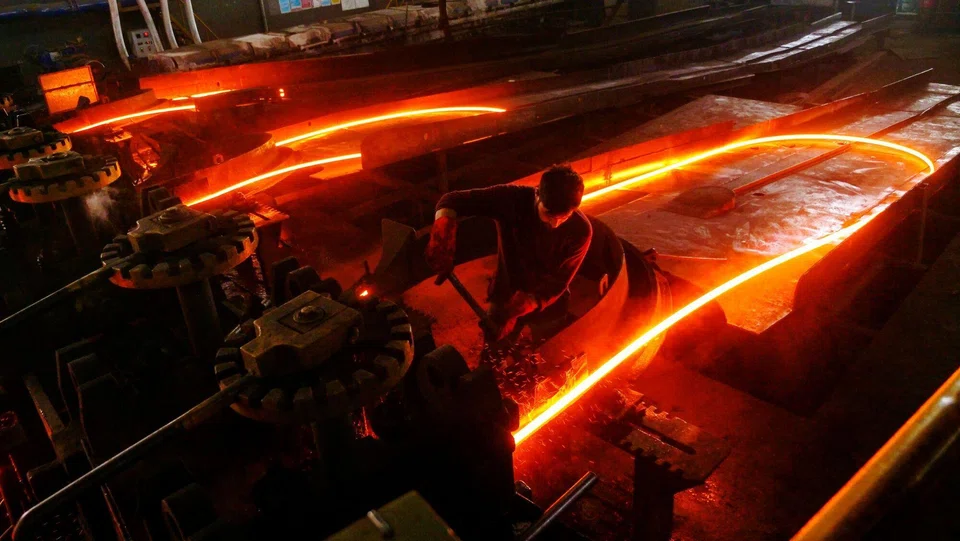
China’s factory activity expanded at a faster pace in January too, as export orders rebounded, which contrasted with an earlier official report showing activity faltering.
Shivaan Tandon, Asia economist at Capital Economics, said: “Exports from most countries have surged in recent months, and we think the near-term outlook for Asia’s export-oriented manufacturing sectors remains favourable.”
Navigate Asia in
a new global order
Get the insights delivered to your inbox.
Asian exporters face pick-up in demand
The RatingDog China General Manufacturing Purchasing Managers’ Index, compiled by S&P Global, rose to 50.3 from 50.1 in December, exceeding the 50-mark that separates growth from contraction and hitting the highest level since October.
The upbeat survey likely reflects China’s export drive that offset weak domestic consumption, which helped the world’s second-largest economy expand 5 per cent last year.
Japan’s S&P PMI rose to the strongest level since August 2022, driven by robust demand from key markets such as the US and Taiwan.
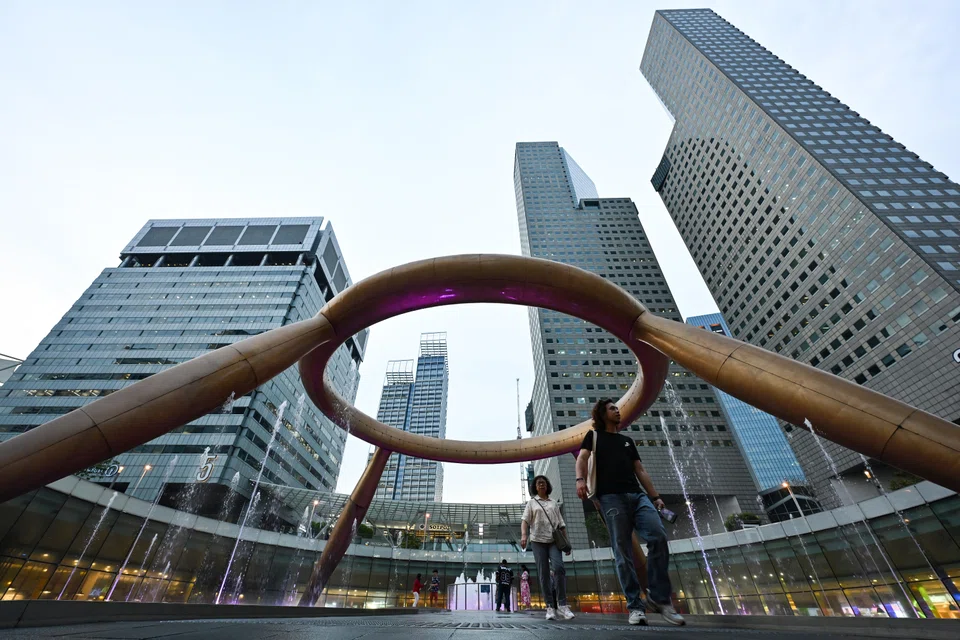
Annabel Fiddes, an economics associate director at S&P Global Market Intelligence, said: “Japan’s manufacturing industry propelled itself back into growth territory at the start of 2026, with firms signalling the strongest upturns in output and new orders for nearly four years.”
South Korea’s PMI also rose, marking the highest reading since August 2024.
The International Monetary Fund raised its 2026 global growth forecast in January, on receding fears over the hit from US tariffs and a continued artificial intelligence investment boom, which has fuelled asset wealth and expectations of productivity gains.
The brightening prospects for global demand have helped factory activity expand across Asia. Taiwan’s PMI rose to 51.7 in January from 50.9 in December, while that of Indonesia rose to 52.6 from 51.2.
India’s manufacturing activity inched up in January as demand improved slightly, though the gain was not strong enough to lift business optimism or meaningfully increase hiring.
Eurozone output returns to growth
The manufacturing output in the common currency area climbed back above the 50 threshold, to 50.5 in January from 48.9 in December.
Factory activity in Germany – the bloc’s largest economy – began 2026 on a positive note, with output returning to expansion after a brief contraction in December. Meanwhile, France recorded its fastest pace of output expansion in almost four years.
However, the manufacturing sectors in Spain, Germany, Italy and Austria all remained in contraction territory.
Paolo Grignani, senior economist at Oxford Economics, said: “While it is too early to say, today’s PMI might signal the start of converging growth rates in the eurozone’s manufacturing sector.
“All in all, the European manufacturing sector remained in the doldrums at the start of the year, with no clear indication that the broad sideways trend for output is about to end.”
In Britain, outside the European Union, the manufacturing PMI rose to its highest since August 2024, as the inflows of new work expanded at the quickest rate in nearly four years. REUTERS
Decoding Asia newsletter: your guide to navigating Asia in a new global order. Sign up here to get Decoding Asia newsletter. Delivered to your inbox. Free.
Share with us your feedback on BT's products and services

