
Australia central bank trims rates, expands bond buying
 Add BT as a preferred source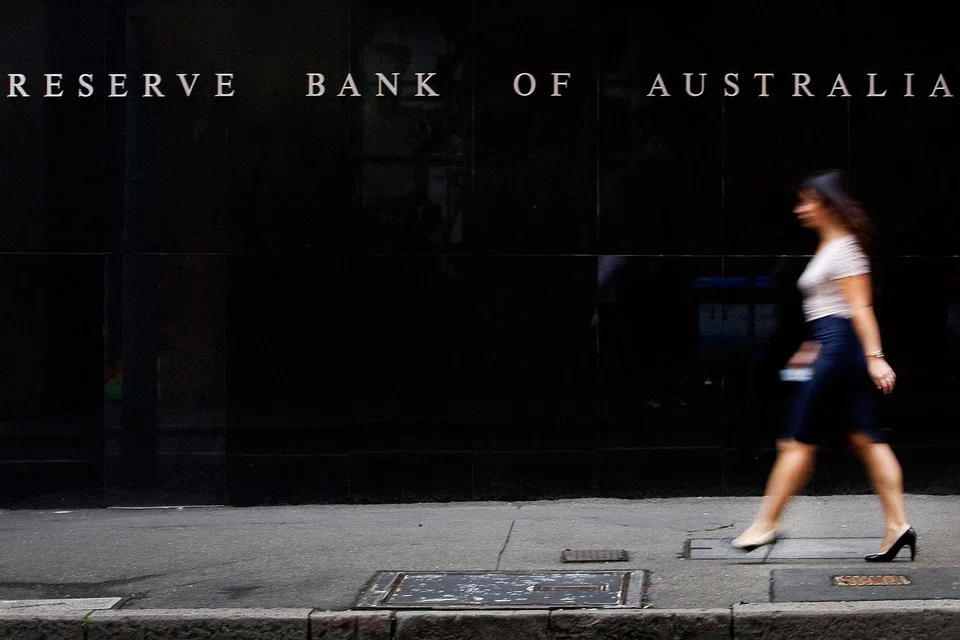
[SYDNEY] Australia's central bank trimmed interest rates to near zero on Tuesday and expanded its bond-buying programme, as widely expected, a much-needed salve to aid economic recovery from the country's worst recession in a generation.
The Reserve Bank of Australia (RBA) said it would buy A$100 billion (S$95.99 billion) of government bonds with maturities of around five to 10 years over the next six months, with the first auction slated for Thursday.
The RBA also cut its target for three-year bond yields to 0.1 per cent, from 0.25 per cent, to align with the cash rate, which, it pledged will remain unchanged until inflation is sustainably within its 2-3 per cent target band.
The Australian dollar slipped to US$0.7040 from around US$0.7055 before the meeting. Bonds rallied with five-year yields hitting a record low of 0.257 per cent.
"Given the outlook, the Board is not expecting to increase the cash rate for at least three years," Governor Philip Lowe said in a post-meeting statement.
"The Board will keep the size of the bond purchase programme under review, particularly in light of the evolving outlook for jobs and inflation. The Board is prepared to do more if necessary."
Navigate Asia in
a new global order
Get the insights delivered to your inbox.
Australia's A$2 trillion economy is in its first recession in three decades as the coronavirus pandemic forced businesses to down shutters, leaving hundreds of thousands without work.
The jobless rate is hovering near 7 per cent, having risen from around 5 per cent before the Covid-19 pandemic. Economists say the actual level of unemployment would be even higher if those on government support are included.
While Australia has controlled the spread of the virulent disease and opened its economy earlier than expected, domestic and international borders remain closed, business investment is weak and consumer spending is still tepid.
With Tuesday's easing, the RBA is now running low on ammunition.
"Any further support the Australian economy requires will have to come from fiscal policy and quantitative easing," said CreditorWatch chief economist Harley Dale.
On its part, Australia's conservative government has unleashed A$300 billion in emergency stimulus to prop up growth this year, including A$17.8 billion in personal tax cuts approved by Parliament last month.
REUTERS
Decoding Asia newsletter: your guide to navigating Asia in a new global order. Sign up here to get Decoding Asia newsletter. Delivered to your inbox. Free.
Share with us your feedback on BT's products and services

