Australia economy picks up speed in Q4, stretches supply
The outlook, however, is darkened by Middle East conflict
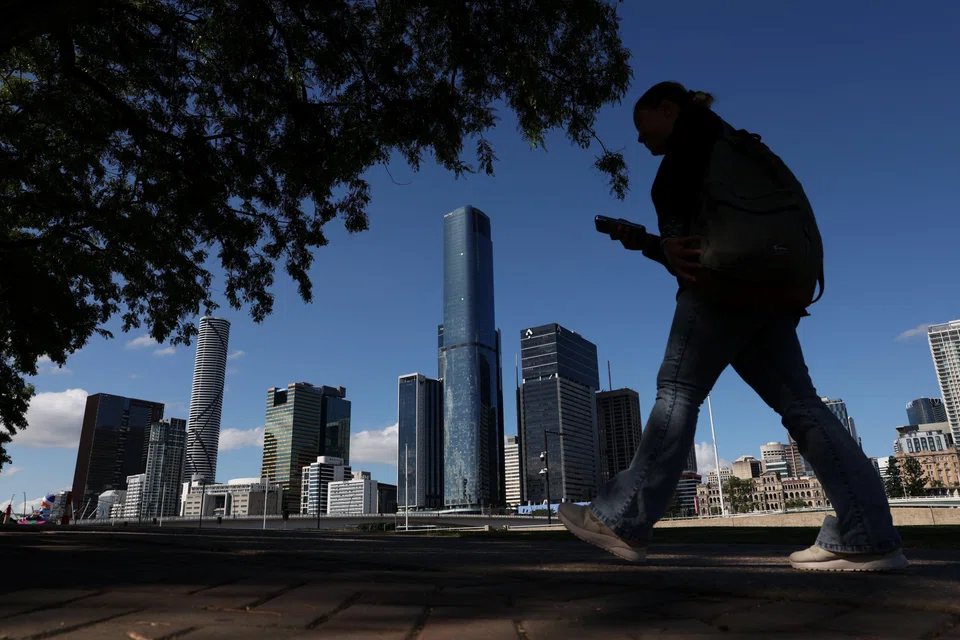
[SYDNEY] Australia’s economy grew at the fastest annual pace in almost three years in the December quarter, data showed on Wednesday (Mar 4), a pickup that reignited inflation and required a hike in interest rates to tamp things down.
The outlook, however, has been darkened by the Middle East conflict, which has effectively halted oil flows through the Strait of Hormuz and pushed prices up more than 10 per cent. Australia is a net energy exporter, but sustained oil rises act as a tax on consumers and businesses.
Data from the Australian Bureau of Statistics showed real gross domestic product rose 0.8 per cent in the fourth quarter, above an upwardly revised 0.5 per cent the previous quarter. Analysts this week had upgraded their forecasts to around 1 per cent.
Annual growth accelerated to 2.6 per cent, the fastest pace since early 2023 when post-pandemic stimulus was still being felt.
The Reserve Bank of Australia judges the economy cannot grow more than 2 per cent without generating inflationary pressures. That is why it raised interest rates last month by a quarter-point to 3.85 per cent, as inflation re-accelerated after three cuts last year.
The Australian dollar slipped 0.3 per cent to US$0.701, while three-year government bond futures recovered some of the earlier losses to be up three ticks to 95.69. Investors maintained bets of a March rate hike at about 30 per cent, while fully pricing in a tightening for May.

Inventories made the biggest contribution to growth in the quarter, adding 0.4 percentage points. Government spending also added 0.2 points, while household consumption contributed a meagre 0.1 point.
The household savings ratio, on the other hand, climbed to 6.9 per cent, from 6.1 per cent, suggesting consumers still had plenty of spending power left.
In nominal terms, GDP expanded 6 per cent for 2025, amounting to A$2.9 trillion (S$2.6 trillion). REUTERS
Decoding Asia newsletter: your guide to navigating Asia in a new global order. Sign up here to get Decoding Asia newsletter. Delivered to your inbox. Free.
Share with us your feedback on BT's products and services