Australia faces ‘steep’ debt rise without budget cuts, OECD says
It is calling for an increase to levies on fuel and property, as well as a higher and broader consumption tax
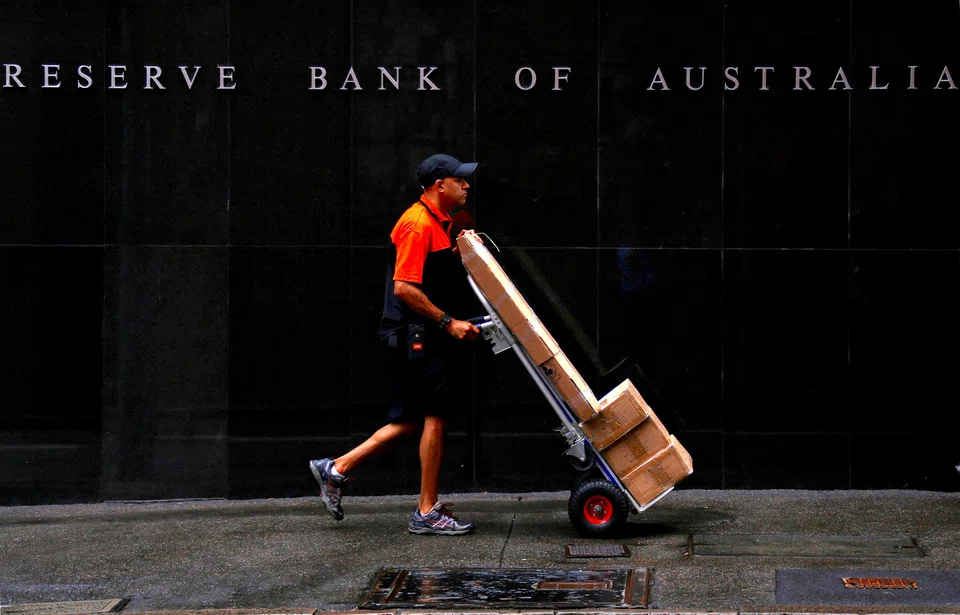
[CANBERRA] Australia’s national debt will “rise rapidly” over the coming years unless the Labour government is prepared to overhaul a sclerotic tax system to boost revenue, or cut spending to reflect its more constrained means, the Organisation for Economic Co-operation and Development (OECD) said.
In its annual assessment of the economy, the OECD warned that federal and state budgets are projected to be in the red for years.
With that, an ageing population and prospects of an expensive climate transition, a “greater sense of urgency” about improving Australia’s public finances is needed.
Without a fiscal adjustment, the Budget deficit is forecast to swell and put the debt-to-gross-domestic-product ratio on a “steep upward path”, the report said.
The OECD called for increased levies on fuel and property, a higher and broader consumption tax, as well as a crackdown on outlays for the Labour Party’s signature National Disability Insurance Scheme.
Raising recurring taxes on housing would help cool home-price growth, which would ease cost of living pressures and strains on household budgets, the report said.
Switching the tax burden away from direct income taxes, including by raising the goods and services tax rate from the current 10 per cent – low by international standards – could also be beneficial for growth.
The centre-left government should also raise more revenue from the resource sector by boosting taxes and lowering the corporate tax rate on companies, OECD said, adding that this would capture more royalty income.
Australia’s tax system is still based on a 20th century model, and fails to reach many of the faster growing areas of the economy, while lawmakers are loath to tackle reform for fear of a voter backlash.

In 2010, a previous Labour government’s efforts to introduce a mining tax to tap super profits from China’s booming demand helped bring down a first-term prime minister.
Since then, little has been attempted on tax reform.
Yet, Prime Minister Anthony Albanese was re-elected in a landslide in 2025, and a second-term government is traditionally one of the best times to take up the cudgels on reform.
Australia’s underlying cash deficit this fiscal year is forecast to be almost A$37 billion (S$32.1 billion), or 1.3 per cent of GDP, the most recent estimate revealed.
In the period until the fiscal year of 2029, the annual deficits are seen edging down to 1.1 per cent of GDP.
Monetary policy by RBA
On monetary policy, the OECD revealed that the Reserve Bank of Australia’s (RBA) model average estimate of the neutral rate is currently 3.1 per cent, half a percentage point lower than the current 3.6 per cent cash rate.
While RBA chief Michele Bullock in December all but ruled out further rate cuts – after 75 basis points of easing between February and August in 2025 – and indicated the next move could well be a hike due to renewed inflation pressures, the OECD took a different view.
It said that the labour market is softening gradually, and inflation is projected to return to the midpoint of the 2 to 3 per cent target.
Available evidence thus “suggests that policy settings could be eased modestly further in 2026”, consistent with achieving a broadly neutral stance.
But it also hedged, going on to say that given the upside surprises to inflation readings in recent months, “a data-dependent and flexible approach to monetary policy should be maintained”.
That is the RBA’s current approach, and is why economists expect an extended rate pause or a tightening if price pressures worsen.
The RBA’s first meeting of the year is on Feb 2 to 3, and quarterly inflation data out next week can force policymakers to resume tightening. Money markets are currently pricing about a one-in-three chance of a rate hike in February. BLOOMBERG
Decoding Asia newsletter: your guide to navigating Asia in a new global order. Sign up here to get Decoding Asia newsletter. Delivered to your inbox. Free.
Share with us your feedback on BT's products and services