
Australia hiring boom powers on with unemployment steady at 3.9%
 Add BT as a preferred source
AUSTRALIA'S strong hiring showed little sign of abating in May, while unemployment held at a 48-year low, underscoring the case for the Reserve Bank to keep rapidly increasing interest rates.
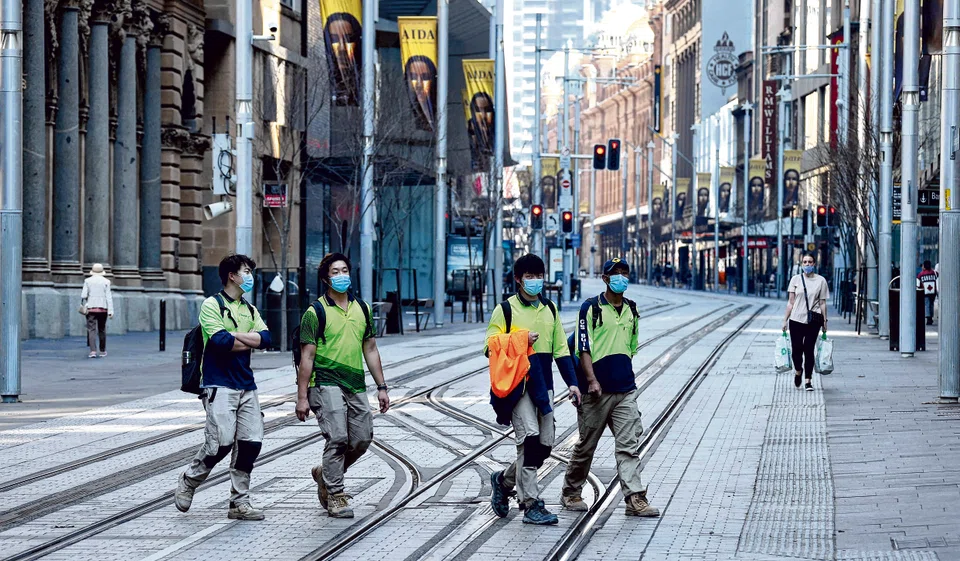
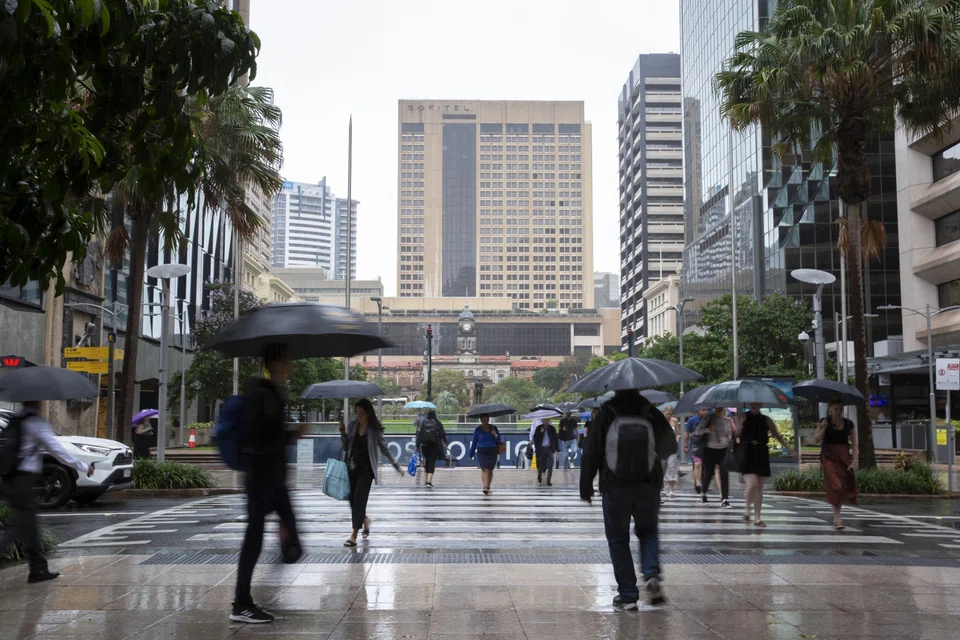
Employment advanced by 60,600 from a month earlier, driven by full-time roles, data from the Australian Bureau of Statistics (ABS) showed Thursday (Jun 16). The jobless rate remained at 3.9 per cent as the participation rate jumped to 66.7 per cent.
This "was the seventh consecutive increase in employment", said Bjorn Jarvis, head of labor statistics at the ABS. "Average employment growth over the past 3 months (30,000) continues to be stronger than the pre-pandemic trend."
The Australian dollar was little changed at 70.15 US cents at 11:35 a.m. while 3-year government bond yields climbed 4 basis points to 3.57 per cent.
The tightest labor market in around 50 years highlights the need for the RBA to keep removing monetary stimulus as it tries to rein in intensifying inflation. It also provides a degree of confidence to policy makers that the A$2.2 trillion (S$2.1 trillion) economy will be able to withstand higher borrowing costs that are likely to weigh on consumption.
The RBA hiked by a larger-than-expected 50 basis points last week, having initiated a tightening cycle in May, taking the cash rate to 0.85 per cent. Economists predict another half-point increase in July and debate is mounting about further outsized moves after the Federal Reserve raised by 75-basis points overnight.
Navigate Asia in
a new global order
Get the insights delivered to your inbox.
The low level of unemployment and soaring cost of living is among reasons Australia's industrial relations umpire on Wednesday raised the minimum wage by a larger-than-expected 5.2 per cent.
That decision, together with a hawkish signal from RBA Governor Philip Lowe Tuesday and the Fed's aggressive move has prompted money markets to price in rapid hikes in Australia. Overnight indexed swaps now imply the cash rate at 3.7 per cent by December and 4.1 per cent by mid-2023.
Economists say that pricing is too aggressive and expect the RBA will move more cautiously given the heavy debt burden of Australian households. Lowe, in a rare interview Tuesday evening, said it was "reasonable" to expect the cash rate would reach 2.5 per cent.
"We've been predicting wage growth to accelerate," Jasmin Argyrou, Credit Suisse Private Bank director and portfolio manager, told Bloomberg Television ahead of the jobs report.
"It's predicated on the imbalances that might be present in the labor market. In Australia, we think the RBA cash rate will peak at around 2.5 per cent so that's about neutral, it's not restrictive." BLOOMBERG
Decoding Asia newsletter: your guide to navigating Asia in a new global order. Sign up here to get Decoding Asia newsletter. Delivered to your inbox. Free.
Share with us your feedback on BT's products and services

