Australia manufacturing slips to contraction on war disruptions
Output fell for a second straight month
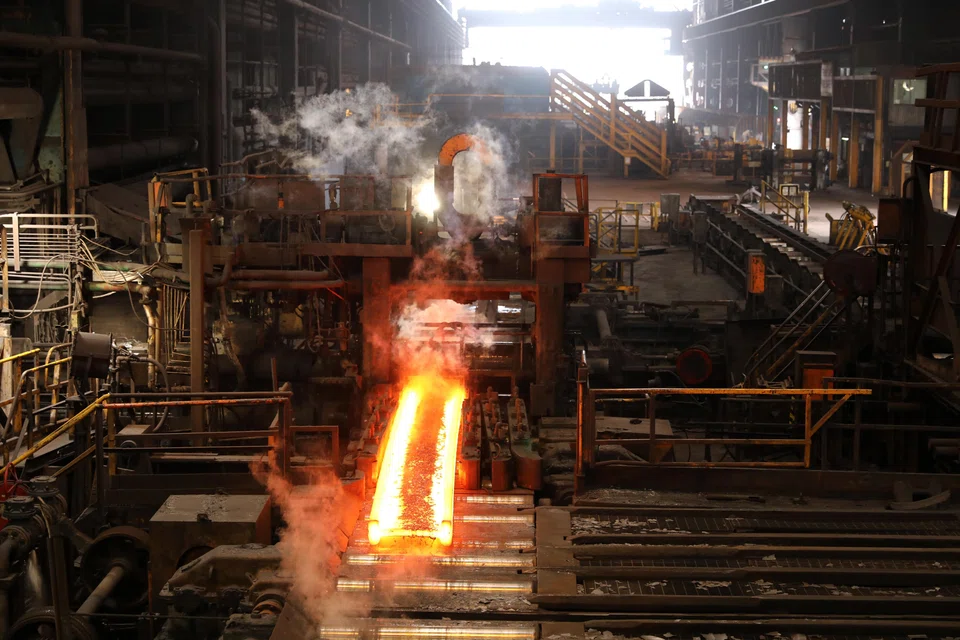
AUSTRALIA’S manufacturing sector posted its first contraction in five months in March as demand weakened and cost pressures surged amid the escalating war in the Middle East.
The S&P Global manufacturing PMI fell to 49.8 from 51.0 in February, dropping below the 50 threshold that separates expansion from contraction for the first time since October, according to a statement released on Wednesday.
Manufacturers posted a renewed fall in new orders at the end of the first quarter, ending a four-month sequence of growth.
Output fell for a second straight month while firms also cut employment and purchasing activity, S&P Global said.
At the same time, higher oil prices pushed input costs sharply higher, sending the rate of inflation to its steepest in three-and-a-half years. Freight and fuel costs were key drivers, with nearly 40 per cent of firms reporting rising input prices.
“The Australian manufacturing sector suffered some of the effects of the war in the Middle East in March, most notably an intensification of inflationary pressures and disruption to supply chains,” said Andrew Harker, economics director at S&P Global Market Intelligence. “Whether the sector can resume growth in the second quarter will in large part depend on how long the war in the Middle East persists.”
The US-Israeli war on Iran is complicating the task for the Reserve Bank of Australia, which began raising interest rates before the conflict as it seeks to rein in price pressures.
Traders are pricing in a third consecutive increase in May, which would take the cash rate to 4.35 per cent, from 4.1 per cent now.
The contraction in March came even as new export orders rose at the fastest pace since May 2021.



Australia is set to receive an unexpected multi-billion dollar windfall linked to the Iran war, as higher coal and gas export prices boost revenues over the five years to 2030, according to Westpac Banking Corp. BLOOMBERG
Decoding Asia newsletter: your guide to navigating Asia in a new global order. Sign up here to get Decoding Asia newsletter. Delivered to your inbox. Free.
Share with us your feedback on BT's products and services