
Australia may have to live with more volatile inflation, says RBA
 Add BT as a preferred source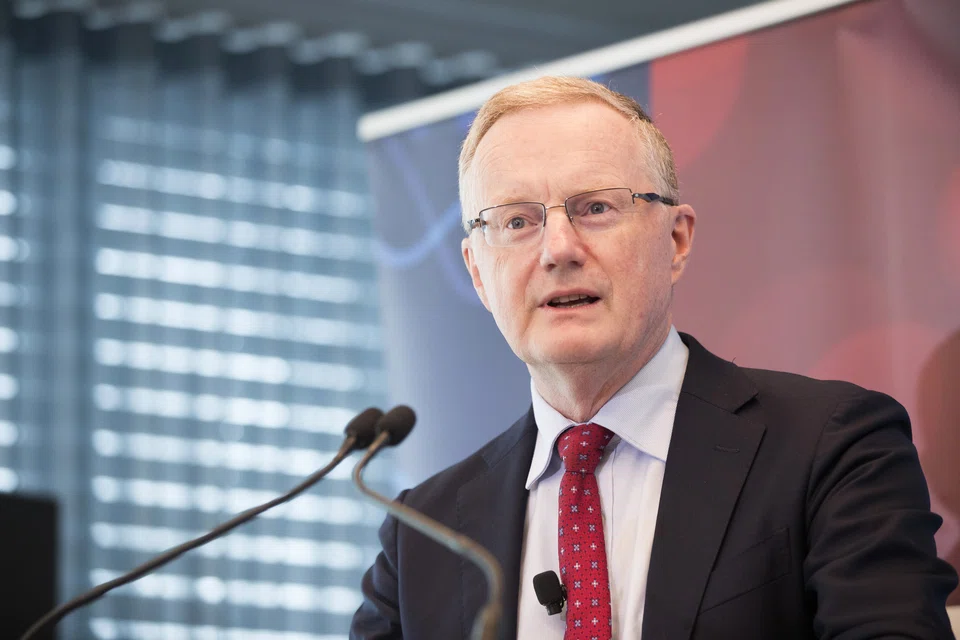
AUSTRALIA likely faces a period when inflation will be more volatile, as global forces put upward pressure on costs, making it harder for monetary policy to keep inflation within a tight target band.
In a speech on price stability and prosperity, Reserve Bank of Australia (RBA) Governor Philip Lowe said it was worth reviewing the RBA’s current target of keeping inflation in a 2-3 per cent range over time, given the world faced more supply shocks.
“It is increasingly problematic to set a narrow range that inflation is always supposed to be within,” said Lowe. “There are limits to what can be achieved and we are likely to have to live with more variability in inflation.”
A strong nominal target was still needed to keep inflation expectations anchored, he said, especially in a world where supply shocks were likely to become more frequent.
It would also be important for the Australian government to have flexibility on the fiscal front, which would require maintaining a “strong underlying structural budget position.”
Lowe cited a number of trends that were adding to costs, including a shift back to trade restrictions around the world and a decline in working-age populations.
Navigate Asia in
a new global order
Get the insights delivered to your inbox.
Climate change was causing more extreme weather events that impacted the supply of food and resources, while a transition to renewable energy could lead to more volatility in prices as existing production methods were run down.
All of this was leading to a less flexible global supply chain and raising the risk of more supply shocks, said Lowe. “Life is more complicated in a world of supply shocks,” Lowe added. “The monetary policy environment is likely to be more challenging for central banks.”
Lowe reiterated that domestic inflation was currently too high and further increases in interest rates would be needed to bring it down.
Yet, the central bank was not on a set path and it might return to outsized increases of 50 basis points if needed or keep rates steady for a time to see how things developed, he added.
The central bank has already hiked interest rates by an aggressive 275 basis points since May to reach a nine-year high of 2.85 per cent, and investors are wagering on another quarter-point move in December.
Markets imply rates need to go as far as 3.85 per cent and stay there until 2024 to bring inflation back to the RBA’s target band of 2 per cent to 3 per cent.
Annual consumer price inflation hit a 32-year peak of 7.3 per cent in the third quarter, and the RBA expects a further acceleration to 8 per cent this quarter. REUTERS
Decoding Asia newsletter: your guide to navigating Asia in a new global order. Sign up here to get Decoding Asia newsletter. Delivered to your inbox. Free.
Share with us your feedback on BT's products and services

