Australia reopens to international visitors after two years
Move is final step in gradual unwinding of restrictions barring the entry of tourists and foreign workers
Canberra
AUSTRALIA will allow international travellers to enter the country once again, ending around two years of some of the world's toughest border controls that were introduced to stem the spread of Covid-19.
Tourists and visa holders that have been vaccinated at least twice will be allowed to enter the country from Feb 21, the government announced on Monday (Feb 7). Australia's borders have been almost entirely closed since after the onset of the pandemic in March 2020, with only citizens able to return.
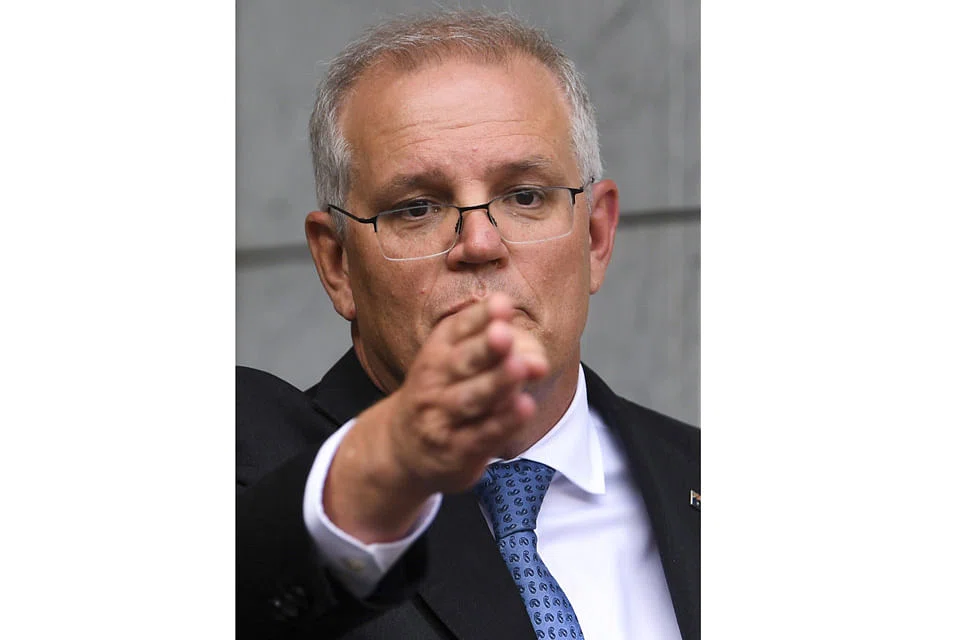
"The condition is you must be double vaccinated to come to Australia," Prime Minister Scott Morrison told reporters in Canberra on Monday. "That's the rule. Everyone is expected to abide by it."
The move marks the final step in a gradual unwinding of restrictions barring the entry of tourists and foreign workers who were previously both welcomed and wooed by the government. It was only towards the end of last year that Australian citizens were able to easily return to their own country, following the end of tough quarantine rules, limited flights and caps on their arrivals.
The news will be welcomed by Australia's tourism industry, which contributed around 3 per cent to the economy prior to the pandemic.
Shares in the national carrier Qantas Airways closed 4.6 per cent higher after Morrison's announcement, while travel company Corporate Travel Management rose 7 per cent.
"Bringing back foreign travellers and visa holders is vitally important," Westpac Banking chief executive officer (CEO) Peter King said in a statement following the announcement. "Reopening international borders will ensure the return of much-needed skilled resources for the country but also supply a stable source of people; whether it be backpackers, students or tourists."
Travellers to Australia may have a more peaceful holiday than expected. Sydney's central business district, home to the world-famous Harbour Bridge and Opera House, remains largely quiet as many employees continue to work from home. While the Australian Open tennis tournament attracted large crowds to Melbourne in January, the city centre remains fairly deserted during the week with shoppers tending to outnumber workers.
Australia's strict entry policies grabbed global attention when unvaccinated tennis superstar Novak Djokovic was deported following a national outcry after he received a medical exemption to play in the Open.
The state of Western Australia (WA) still remains closed to the rest of the country and the world after delaying its domestic border reopening in late January.
The Business Council of Australia called on the state to set a reopening date, after welcoming the federal government's decision on Monday.
"In two weeks' time it will be easier for a Londoner to visit the Great Barrier Reef than it will be for a Melbournian to travel to Perth," CEO Jennifer Westacott said in a statement. "This is a blight on our international reputation and devastating to WA's ability to attract both investment and talent."
The decision to allow vaccinated international arrivals into Australia comes as Covid infections, hospitalisations and intensive care admissions trend down in many parts of the country. More than 90 per cent of the country's adults have now received at least two doses of an approved Covid-19 vaccine.
Travellers who have not had two shots will need to provide proof of a medical reason as to why, Home Affairs Minister Karen Andrews said on Monday. BLOOMBERG
Decoding Asia newsletter: your guide to navigating Asia in a new global order. Sign up here to get Decoding Asia newsletter. Delivered to your inbox. Free.
Share with us your feedback on BT's products and services