

Australia unemployment drops to 5.8% as recovery strengthens
 Add BT as a preferred source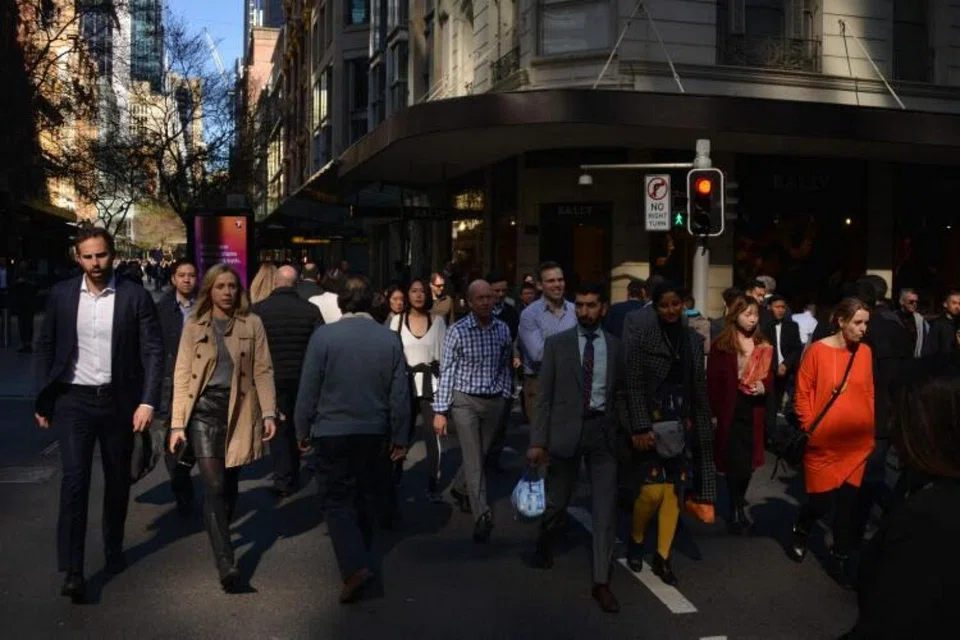
DeeperDive is a beta AI feature. Refer to full articles for the facts.
[SYDNEY] Australia's jobless rate tumbled in February as rising sentiment from a vaccine rollout combined with fiscal and monetary stimulus accelerated the economy's recovery and returned employment to pre-pandemic levels.
Unemployment dropped to 5.8 per cent from a revised 6.3 per cent in January, data from the statistics bureau showed Thursday in Sydney. Employment jumped by 88,700 in February, compared with an expected 30,000 gain. The participation rate was unchanged at 66.1 per cent, in line with estimates.
"The strong employment growth this month saw employment rise above 13 million people, and was 4,000 people higher than March 2020," said Bjorn Jarvis, head of labour statistics at the ABS (Australian Bureau of Statistics).
The Australian dollar advanced after the data's release and was trading at 78.22 US cents at 1.06pm in Sydney. The yield on 10-year government notes also gained.
The jobless rate has now fallen below the Reserve Bank of Australia's (RBA) year-end estimate, highlighting the V-shaped recovery as Covid-19's containment boosts confidence and encourages cashed-up households to spend.
Yet there could be a pause in the decline, given the government's JobKeeper wage subsidy is set to expire, though the labour market appears well positioned to absorb it.
Navigate Asia in
a new global order
Get the insights delivered to your inbox.
"The end of JobKeeper will present some headwinds for the outlook; some of the group of employees working less hours than usual could lose their job when the scheme comes to an end," said Sarah Hunter, chief economist for BIS Oxford Economics. "But broadly speaking, the labour market continues to outperform and the recovery shouldn't be derailed by the end of the scheme."
The RBA's February forecasts show the jobless rate falling to around 6 per cent by the end of this year and 5.5 per cent at the end of 2022. Under an optimistic scenario for unemployment, the rate would drop to 4.75 per cent by the end of next year.
Governor Philip Lowe last week suggested the economy remained a fair distance from full employment. He said in a speech that, based on recent experience, "it is certainly possible that Australia can achieve and sustain an unemployment rate in the low 4s, although only time will tell."
The central bank last month extended its quantitative easing programme by a further A$100 billion (S$104.95 billion) and reiterated that it doesn't expect to increase interest rates until 2024. It's trying to keep a lid on a currency, which left unchecked could appreciate further and hurt exports and employment.
The labour market's strength comes as JobKeeper, designed to keep workers attached to their employers, expires on March 28. The government is providing ongoing support to industries like tourism and airlines that are still struggling from closed borders.
The RBA late last year cut interest rates and its three-year yield target to 0.10 per cent and initiated a quantitative easing programme to lower borrowing costs across the economy.
That came on the heels of the government announcing tax cuts, incentives for firms to invest and hire and infrastructure projects to boost activity.
BLOOMBERG
Decoding Asia newsletter: your guide to navigating Asia in a new global order. Sign up here to get Decoding Asia newsletter. Delivered to your inbox. Free.
Share with us your feedback on BT's products and services
TRENDING NOW

From 1MDB to ‘corporate mafia’: Is Malaysia facing a new governance test?

Middle East-linked energy supply shocks put Asean Power Grid back in focus

Beijing’s calculated silence on the Iran war
DPM Gan warns of 3 structural shifts to the global system that will bring greater challenges – and opportunities

