Australian consumer sentiment bounces in July: survey
AUSTRALIAN consumer sentiment rebounded in July as inflation cooled a little and the country’s central bank skipped a rise in interest rates, though worries about finances were still present.
The Westpac-Melbourne Institute index of consumer sentiment rose 2.7 per cent in July to 81.3, the biggest gain since April when rates were also kept on hold.
Pessimists still outnumbered optimists, though actual consumer spending has been more resilient than suggested by the survey.
The survey’s measure of family finances compared to a year ago remained gloomy with a fall of 4.9 per cent, reflecting cost of living pressures.
“The key message is that sentiment is probably not going to stage a sustained lift from current deeply pessimistic levels until inflation is much lower and interest rates are firmly on hold,” said Westpac chief economist Bill Evans.
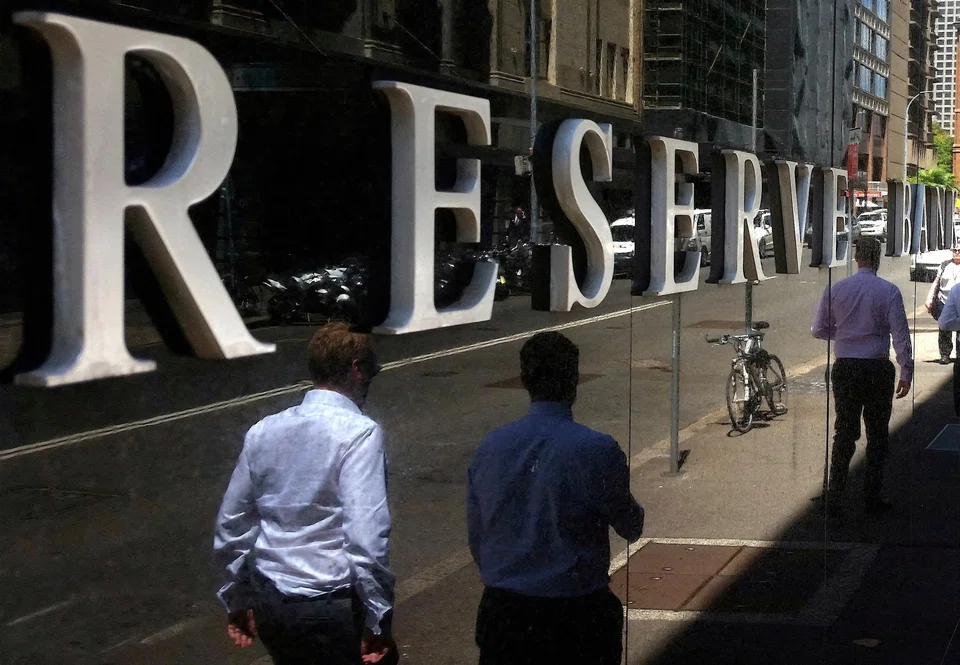
The Reserve Bank Australia held rates steady at 4.1 per cent last week, in the middle of the survey period, but warned that it might have to hike again to bring inflation to heel.

Monthly inflation data for May showed a welcome slowdown to 5.6 per cent, but core price measures remained stubbornly high.
In a positive sign for demand, the survey’s measure of whether it was a good time to buy a major household item rose 3.1 per cent in July, while its index buying dwellings jumped 6.2 per cent. REUTERS
Decoding Asia newsletter: your guide to navigating Asia in a new global order. Sign up here to get Decoding Asia newsletter. Delivered to your inbox. Free.
Share with us your feedback on BT's products and services