

Australian inflation gauge stays benign in Dec: TDMI
 Add BT as a preferred source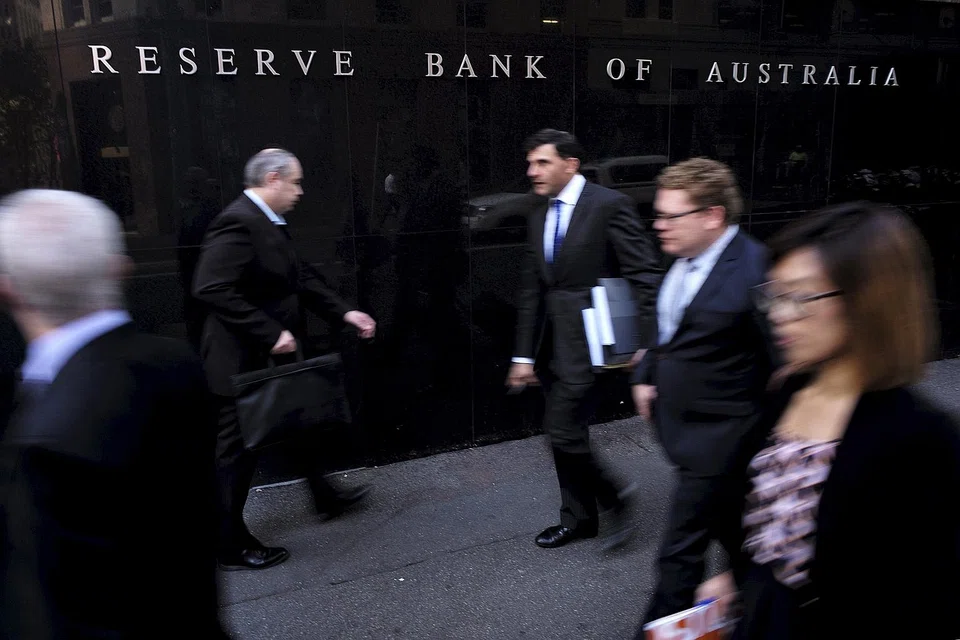
DeeperDive is a beta AI feature. Refer to full articles for the facts.
[SYDNEY] A private-sector gauge of Australian inflation remained subdued in December and pointed to only a slight pickup in price pressures that should still leave room for further cuts in interest rates if needed.
Monday's survey from TD Securities and the Melbourne Institute showed consumer prices rose 0.2 per cent in December, from November when they edged up 0.1 per cent.
The annual pace quickened a touch to 2.0 per cent, from 1.8 per cent but was still at the very bottom of the Reserve Bank of Australia's (RBA) target band of 2 to 3 per cent. A measure of underlying inflation pressures, the trimmed mean, lifted to 1.7 per cent, from 1.6 per cent.
Annette Beacher, chief Asia-Pacific macro strategist at TD Securities, said the survey suggested official measures of underlying inflation likely increased by 0.5 per cent in the fourth quarter, for an annual rate of 2.0 per cent - figures that were entirely consistent with the RBA's own projections.
The official inflation report is due on Jan 27. "We remain of the view that the RBA is likely to leave the cash rate at 2 per cent this year, although the rocky start to the year has increased the odds that a rate cut could be delivered should that prove to be beneficial," she said.
The central bank holds its first policy review of 2016 on Feb. 2.
Navigate Asia in
a new global order
Get the insights delivered to your inbox.
The TD-MI survey showed price rises for fruit and vegetables, holiday travel and accommodation, and meat and seafood. These were offset by falls in fuel, non-alcoholic beverages and rent.
Inflation excluding fuel, fruit and vegetables came in at 0.3 per cent in December, while the annual pace quickened a tick to 2.2 per cent.
Non-tradables inflation, covering the prices of goods and services not determined by international competition, slowed to 2.1 per cent, from 2.3 per cent. Tradable inflation sped up to 1.9 per cent, from 1.1 per cent, reflecting the impact of a weaker Australian dollar.
REUTERS
Copyright SPH Media. All rights reserved.
TRENDING NOW
‘Boring’ is the new black: The stars are aligning for a Singapore stock market revival
Near sell-out launches in March boost developer sales to 1,300 units after four slow months

China pips the US if Asean is forced to choose, but analysts warn against reading it like a sports result

Genting Singapore’s Lim Kok Thay receives S$7.5 million pay package for FY2025

