Australia’s central bank saw upside risks to inflation at October policy meeting
 Add BT as a preferred source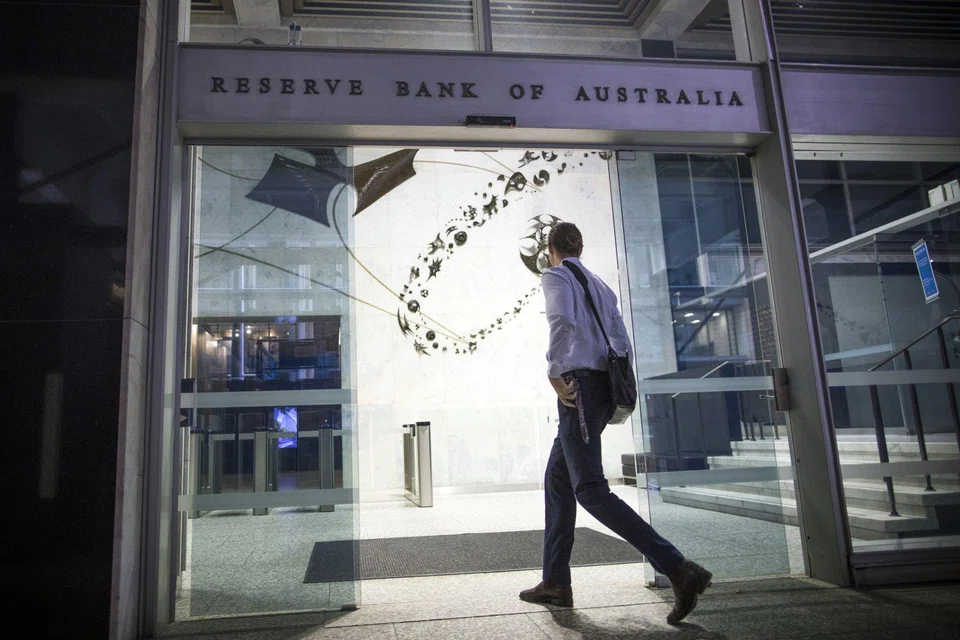
AUSTRALIA’S central bank considered raising rates at its recent policy meeting but judged there was not enough new information to warrant a move, though more would be available for its November meeting.
Minutes of its Oct 3 policy meeting released on Tuesday (Oct 17) showed the Reserve Bank of Australia (RBA) Board was concerned that inflation was not slowing as hoped, suggesting a chance the 4.1 per cent cash rate could be lifted next month.
“Members acknowledged that upside risks were a significant concern,” the minutes showed. “The Board has a low tolerance for a slower return of inflation to target than currently expected.”
The RBA currently assumes that inflation will not return to its 2 per cent to 3 per cent target band until late 2025. Consumer price inflation stood at an annual 6 per cent in the second quarter, and at 5.2 per cent in the month of August.
As a result, the Board reiterated that some further tightening may be required to bring inflation to heel. Rates have already risen by a whopping 400 basis points to an 11-year high and the RBA judged the full effects of that tightening were yet to be felt.
A recent rise in petrol prices could influence inflation expectations, while progress in lowering services inflation was only sluggish, the minutes showed.
“Members observed, prior to the November meeting, they would receive additional data on economic activity, inflation, and the labour market, as well as a set of revised staff forecasts.”
Figures on employment for September are due later this week, while the key inflation report for the third quarter is out on Oct 25. Markets currently imply only a 16 per cent chance of a hike in November, but that would increase should inflation surprise on the high side.
The board was also concerned that the sustained rebound in housing prices could be a signal that the currency policy stance was not as restrictive as had been assumed and could be supporting household consumption.

On the other side of the arguments, the labour market has reached a turning point, output growth has slowed and it would take some time for the full effects of the tightening so far to be observed in the data.
Required mortgage payments increased to 9.9 per cent of the household disposable income in August, above the previous estimated historical peak.
The Board also noted that the repayment of the first tranche of the Term Funding Facility has passed smoothly. There had been an earlier rise in short-term money market rates, but the rise had been transient.
The minutes included no mention of the possibility that the bank could sell some of its government bond holdings early, as some in the market had speculated. REUTERS
Decoding Asia newsletter: your guide to navigating Asia in a new global order. Sign up here to get Decoding Asia newsletter. Delivered to your inbox. Free.
Share with us your feedback on BT's products and services