Australia’s falling China trade surplus rings economic alarm
Australians are buying more and more from overseas, with the Asian nation now supplying more than a quarter of all imports
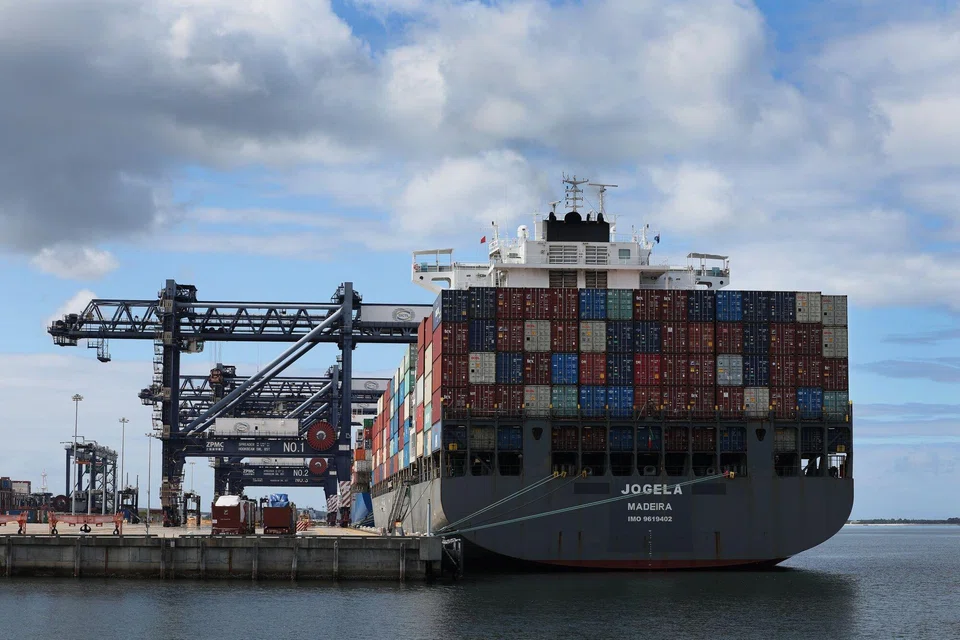
AUSTRALIA’S trade surplus shrank to the lowest since 2018, underscoring how China’s soaring exports and weak imports are reshaping merchandise flows and potentially dragging down major trade partners.
The value of Australia’s shipments to China of iron ore, coal and other goods dropped 2 per cent last year, falling for a second year in a row, as the world’s second biggest economy stumbled. Meanwhile, Australian shoppers splurged on cheap Chinese imports of everything from BYD electric cars to e-commerce bargains from the likes of Temu and Shein.
While the main culprit is the slowdown in China’s property sector – denting steel demand and, therefore, the need for Australia’s iron ore – the shift comes amid the broader disruptions caused by US President Donald Trump’s tariff war on friends and foes alike. The US-China competition also creates risks for Prime Minister Anthony Albanese, as he balances his country’s biggest customer in President Xi Jinping’s China and its top security relationship with Washington.
More broadly, China’s trade surplus exceeded US$1 trillion for the first time last year, flooding countries with goods as shipments to the US plunge.
Iron ore sales to China accounted for about one-fifth of Australia’s total exports, and so the outlook for that market is critical for the economy in the years ahead. The value of those shipments dropped more than 1 per cent as prices fell, even while volumes rose and China’s steel exports surged. But that’s seen as unsustainable, with China’s stockpiles of iron ore rising and more countries putting up trade barriers against the flood of China’s exports.
That longer-term trend will have serious consequences for Australia, according to Nick Marro, lead for global trade and principal Asia economist at the Economist Intelligence Unit in Hong Kong
“If we start to see this structural shift, that is going to really accelerate the urgency,” Marro said. “Not just in terms of diversifying export markets, but even in diversifying parts of the Australian economy, which is tough, given that the economy’s export engine has been very reliant on mining.”
In addition, China is trying to diversify suppliers by building out the Simandou mine in Guinea, he noted, calling the combined changes to Chinese demand that both these factors will bring a “freight train barrelling down the tracks” towards the Australian economy.
“The housing crisis isn’t even going to bottom out until the first half of 2027, and that might be an overly optimistic projection,” Marro said. “This driver for demand of Australian iron ore in particular, which has historically propped up much of that industry, is no longer going to be as intense.”

Iron ore was trading at US$100.75 a tonne on Friday in Singapore, the lowest price since last August as a seasonal drop in Chinese demand combined with a broad fall in metals prices.
On the flip side of the ledger, Australians are buying more and more from overseas, with China now supplying more than a quarter of all imports, including electric vehicles, computers, phones and cheap products from online marketplaces.
That drove up the value of imports from China to A$124 billion (S$110 billion) last year, well above any previous year and a growth trajectory that’s likely to continue.
Australia’s overall trade surplus in goods was A$62 billion, while it was A$52 billion with just China, according to official data released on Thursday. Both are the lowest since 2018. BLOOMBERG
Decoding Asia newsletter: your guide to navigating Asia in a new global order. Sign up here to get Decoding Asia newsletter. Delivered to your inbox. Free.
Share with us your feedback on BT's products and services