

Australia's RBA sees growth boom underway, but wages left far behind
 Add BT as a preferred source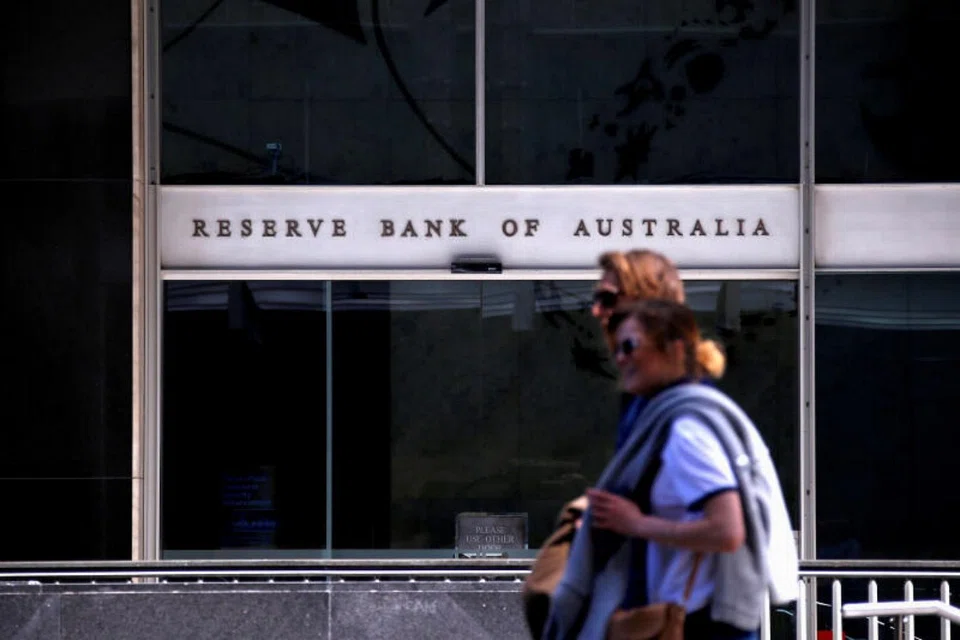
DeeperDive is a beta AI feature. Refer to full articles for the facts.
[SYDNEY] Australia's central bank upgraded forecasts for the country's economy on Friday led by record low interest rates and generous fiscal support, though inflation and wages growth are still seen lagging in a sign monetary policy will remain "highly accommodative" for years to come.
In its 82-page quarterly Statement on Monetary Policy, the Reserve Bank of Australia (RBA) predicted economic growth could almost hit double figures in the current quarter, a huge turnaround from last year's pandemic-induced recession.
Yet it emphasised the economy remains well short of full employment and wage growth is just too slow.
The RBA's baseline scenario implies inflation will stay below the mid-point of its 2-3 per cent target band until mid-2023 while wages growth is seen hovering around 2 per cent, almost half the level seen during the heady days of the mining boom.
RBA Governor Philip Lowe has said in the past that pay hikes of "3 point something" are needed for inflation to be sustainably within its target range.
Given the RBA does not envisage such a scenario across its forecast horizon, "monetary policy will need to remain highly accommodative for some time yet," Mr Lowe said in the statement.
Navigate Asia in
a new global order
Get the insights delivered to your inbox.
The RBA has repeatedly said it will not raise the cash rate from its current record low of 0.1 per cent until actual inflation is sustainably within its target band.
"For this to occur, the labour market will need to be tight enough to generate wages growth that is materially higher than it is currently. This is unlikely to be until 2024 at the earliest," Mr Lowe added.
Even in its most rosy scenario, the RBA does not see inflation hitting the mid-point of its target range by mid-2023.
This, despite its forecasts showing Australia's gross domestic product growth of a booming 9.25 per cent over the year to June 2021 before slowing to a still brisk 4 per cent over the year to June 2022.
The unemployment rate is seen falling from the current 5.6 per cent to 5.25 per cent by June and to 4.75 per cent by June next year. It was forecast to fall further to 4.5 per cent by the end of 2022 and then hold there to mid-2023.
On Thursday, RBA Deputy Governor Guy Debelle said the labour market outcomes in Australia have been better than most other countries though wages growth has been noticeably weaker than in many comparable economies, most notably the United States.
Annual wages growth in Australia is at a record low of 1.25 per cent, compared with 2 per cent for Europe and nearly 3 per cent in the US.
As a result, the RBA's supportive monetary policy stance is here to stay.
Lowe said the central bank's Board was prepared to undertake further government bond purchases to help meet its goals of full employment and inflation.
A decision to expand its quantitative easing programme from A$200 billion will be considered at its July board meeting.
REUTERS
Decoding Asia newsletter: your guide to navigating Asia in a new global order. Sign up here to get Decoding Asia newsletter. Delivered to your inbox. Free.
Share with us your feedback on BT's products and services
TRENDING NOW

Shelving S$5 billion office redevelopment plan proved ‘wise’ as geopolitical risks mount: OCBC chairman
Why where you park your joint venture matters: Lessons from a US$689 million shareholder dispute

China pips the US if Asean is forced to choose, but analysts warn against reading it like a sports result

Singaporeans can now buy record amount of yen per Singdollar

