

Baht pits Bank of Thailand against government on rate cut
Washington
A PUBLIC rift between Thailand's central bank and the government on interest rates shows just how much of a dilemma the baht has become for the economy.
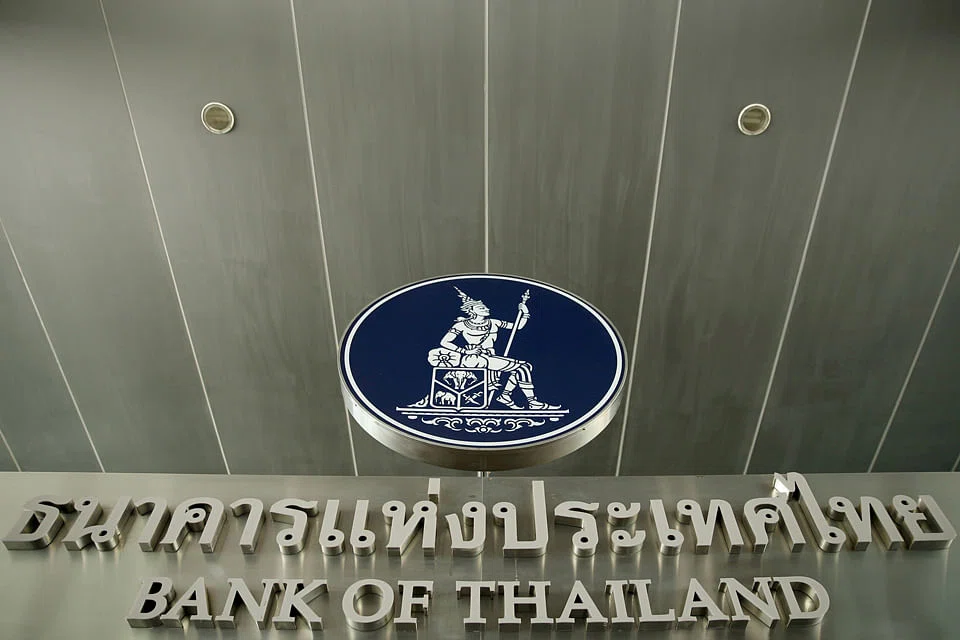
The Finance Ministry is pushing the Bank of Thailand (BOT) to cut interest rates to stimulate growth, in light of the strength of the currency and low inflation. That is clashing with the bank's aims of minimising financial instability and curbing household debt levels by keeping rates steady. With days to go before the next interest rate decision on Sept 27, economists are watching the dispute closely.
The BOT has so far pushed back against calls to cut its benchmark interest rate from a near record-low of 1.5 per cent, where it has been since 2015, intervening in the currency market instead and curbing the supply of short-term bonds to limit the baht's gains.
"The BOT has already been clear about its stance that there is no need to ease," said Euben Paracuelles, senior economist for South-east Asia at Nomura Holdings Inc in Singapore. "Cutting the policy rate now would go against the grain of BOT's priority to minimise financial stability risks, not to mention that it will be seen as undermining its independence."
All but one economist in a Bloomberg survey predict no change in the policy rate until the end of 2017. ING Groep NV forecast a 25 basis-point cut at next week's meeting.
The baht is up more than 8 per cent against the US dollar this year, the best performer in Asia, underpinned by foreign inflows and record reserves of almost US$200 billion. For export-reliant Thailand, the currency's gains threaten to hurt the economy at a time when private investment and consumer demand remain sluggish.
The public disagreement stemmed from comments on Sept 11 by Somchai Sujjapongse, permanent secretary at the Finance Ministry, in which he said that the government "would like to see the central bank use monetary policy to support us". He added that there should not be a concern that lower interest rates will boost inflation.
BOT governor Veerathai Santiprabhob on Monday defended the bank's stance, saying that he did not feel pressured by the government. Policymakers at their next meeting will be "busy considering many different policies and measures, whether it's about the topics discussed in the news or other monetary policies", he said.
His remarks followed an interview in The Nation newspaper, in which he said that the current 1.5 per cent policy rate facilitates further economic growth and that a rate cut would not guarantee a weaker baht.
The public tensions have been a distraction for the central bank ahead of next week's meeting, but are not yet a real cause for concern, said Khoon Goh, head of Asia research at Australia & New Zealand Banking Group in Singapore. "Central banks in this region are given some level of independence," Mr Goh said. "There might be disagreements in views from time to time."
While financial markets would favour a sacrosanct independence for central bankers, "for now, all we can do is continue to monitor how the robust exchanges between the two organisations play out".
If private investment continues to under-perform, policymakers may be forced to change tack. Gundy Cahyadi, an economic and currency researcher at DBS Group Holdings Ltd in Singapore, said that officials are "really running out of options now" and unlike the recent string of unanimous monetary policy decisions, there may be a few detractors from the no-change vote as early as next week. "They probably need to do more to try to dampen the expectations for the baht to strengthen further," he added. BLOOMBERG






