Bangladesh’s BNP wins two-thirds majority in landmark election
The party returns to power after 20 years, with leader Tarique Rahman forecast to be prime minister
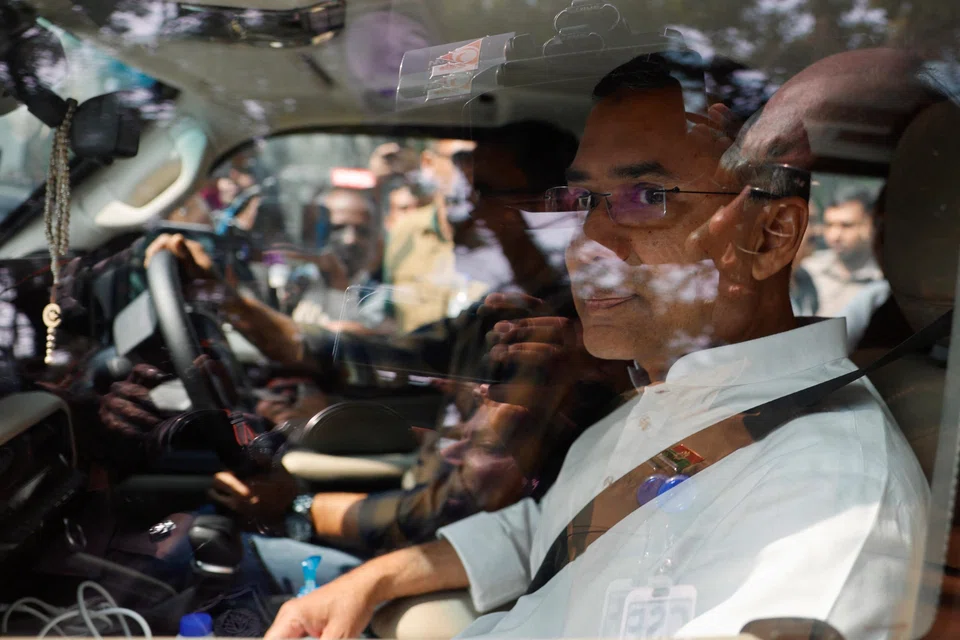
[DHAKA, Bangladesh] The Bangladesh National Party (BNP) won a decisive two-thirds majority on Friday (Feb 13), in the general elections held on Thursday.
This result is expected to bring stability after months of tumult, following the ouster of former prime minister Sheikh Hasina in a Generation Z-led uprising.
The latest counts in an election, which was seen as the South Asian nation’s first truly competitive one in years, gave the BNP and its allies at least 212 of the 299 seats, domestic TV channels said.
The opposition Jamaat-e-Islami and its allies won 70 seats in the Jatiya Sangsad, or House of the Nation.
The BNP thanked the people soon after winning a majority in the overnight vote count, and called for special prayers on Friday for the nation and its people.
It returns to power after 20 years. “Despite winning ... by a large margin of votes, no celebratory procession or rally shall be organised,” the party added.
A clear outcome had been seen as key for stability in the Muslim-majority nation of 175 million citizens.
This comes after months of deadly anti-Hasina unrest disrupted everyday life and industries such as garments, in the export of which Bangladesh is No 2 globally.
BNP leader Tarique Rahman is widely expected to be sworn in as prime minister. He is the son of the party’s founder, former president Ziaur Rahman, and he returned in December to the capital, Dhaka, after spending 18 years abroad.

Nobel peace laureate Muhammad Yunus, 85, held office as interim head after Hasina fled to neighbouring India in August 2024.
Now in exile in New Delhi, Hasina had long dominated Bangladesh politics along with Rahman’s mother, Khaleda Zia, while his father was a leading independence figure, who ruled from 1977 to 1981, before he was assassinated.
The manual counting of paper ballots will run until at least noon local time on Friday, officials said, since starting on Thursday immediately after the polls closed.
The BNP win with more than 200 seats is one of its biggest, surpassing its 2001 victory with 193, although Hasina’s Awami League, which ruled for 15 years and was barred from contesting this time, secured a bigger tally of 230 in 2008.
But bigger tallies for both parties in elections of other years were widely seen as one-sided, boycotted or contentious.
Jamaat promises positive opposition
Night-time throngs of supporters cheered and shouted slogans at the BNP headquarters in Dhaka, as the scale of the party’s landslide became clear.
The head of its main rival, the Islamist Jamaat-e-Islami, conceded defeat and vowed that his party would not engage in the “politics of opposition” just for the sake of doing so.
“We will do positive politics,” Shafiqur Rahman added.
The National Citizen Party (NCP) won just five of the 30 seats it contested. It is led by youth activists who played a key role in toppling Hasina, and was a part of the Jamaat-led alliance.
The voting turnout appeared on track to exceed the 42 per cent of the last election in 2024, with media saying more than 60 per cent of registered voters were expected to have participated.
More than 2,000 candidates, many independents among them, were on the ballot, which featured a record number of at least 50 parties. The voting in one constituency was postponed after a candidate died.
Broadcaster Jamuna TV said more than two million voters chose “Yes”, while more than 850,000 said “No”, in a referendum on constitutional reforms held alongside the election, but there was no official word on the outcome.
The changes include two-term limits for prime ministers, and stronger judicial independence and women’s representation while providing for neutral interim governments during the election periods. They also include setting up a second house of the 300-seat parliament. REUTERS
Decoding Asia newsletter: your guide to navigating Asia in a new global order. Sign up here to get Decoding Asia newsletter. Delivered to your inbox. Free.
Share with us your feedback on BT's products and services