

Bank of Japan keeps ultra-low rates at Kuroda’s final policy meeting
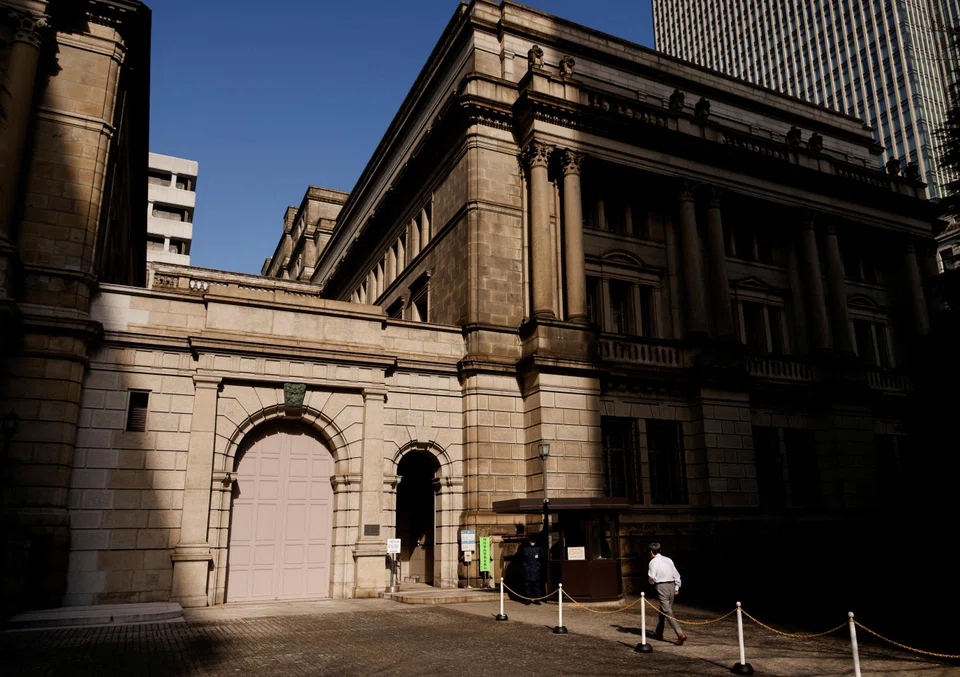
THE Bank of Japan (BOJ) maintained ultra-low interest rates on Friday (Mar 10) and held off making changes to its controversial bond yield control policy, leaving options open ahead of a leadership transition in April.
The meeting was the last one to be chaired by governor Haruhiko Kuroda, who leaves behind a mixed legacy with his massive stimulus praised for pulling the economy out of deflation – but straining bank profits and distorting market function with prolonged low interest rates.
As widely expected, the BOJ maintained its short-term interest rate target at -0.1 per cent and that for the 10-year bond yield around 0 per cent at its two-day meeting that ended on Friday.
It also left unchanged a band set around the 10-year yield target that allows the yield to rise up to 0.5 per cent.
“The BOJ expects short- and long-term policy interest rates to remain at their present or lower levels,” the BOJ said in a statement announcing the decision, keeping intact its dovish guidance on the future policy path.
With inflation exceeding its 2 per cent target, the BOJ has been forced to ramp up bond buying to defend the 0.5 per cent cap set for the 10-year bond yield – at the cost of distorting the shape of the yield curve and causing dysfunction in the bond market.
US Federal Reserve chair Jerome Powell’s comments on Tuesday signaling the need for bigger-than-expected rate hikes also point to the likelihood Japanese yields will remain under upward pressure.
Many analysts thus see the days of yield curve control (YCC) numbered, though recent BOJ policymakers’ speeches have underscored their preference to hold off on big policy changes at least until Kuroda’s successor, Kazuo Ueda, takes the helm in April.
Kuroda has repeatedly said consumer inflation, now running at double the pace of the BOJ’s 2 per cent target, will begin to slow as the effect of past spikes in fuel and raw material prices fades.


Data released on Friday showed Japan’s wholesale prices rose 8.2 per cent in February from a year earlier to mark the second straight month of year-on-year slowdown, heightening the chance the rise in consumer inflation will start to moderate in coming months.
The Upper House of Parliament on Friday approved the government’s appointment of Ueda and his two new deputies, Shinichi Uchida and Ryozo Himino, finalising the confirmation of the new BOJ leadership.
Ueda will chair his first policy meeting on Apr 27-28, when the board will produce closely watched, fresh quarterly growth and price forecasts extending through fiscal 2025. REUTERS
Decoding Asia newsletter: your guide to navigating Asia in a new global order. Sign up here to get Decoding Asia newsletter. Delivered to your inbox. Free.
Share with us your feedback on BT's products and services
TRENDING NOW

Mooted COE changes will solve category issues, but higher premiums likely: observers

Grab CEO’s wife Chloe Tong on life with Anthony Tan and finding her purpose

Once staunchly pro-China, Malaysian Chinese businesses are now distancing themselves from Beijing

Cliff Tan has 7 million followers and a 4-month waitlist. Why won’t he expand his business?

