

Battersea Power Station: What to know about Malaysia’s landmark UK investment
Once an empty industrial shell, the 90-year-old abandoned coal plant was revived under one of Malaysia’s biggest-ever overseas projects

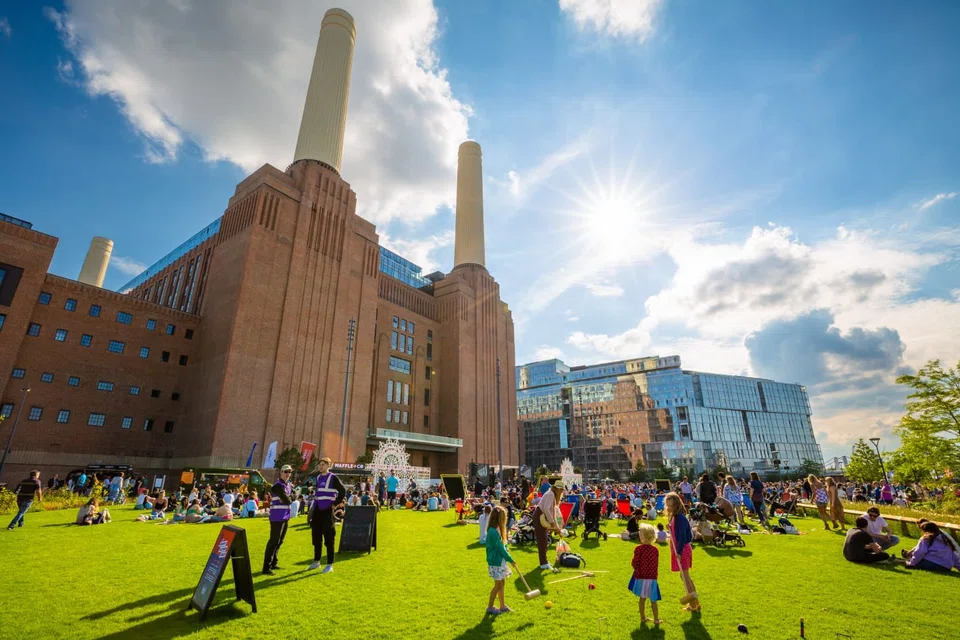
[KUALA LUMPUR] Battersea Power Station in London ranks among the most ambitious overseas ventures by Malaysia’s deep-pocketed institutional funds.
More than a decade after Malaysian developers and funds stepped in to revive the derelict site, the landmark is now the subject of renewed attention after reports that its owners are mulling potential offers for its main commercial building.
Here’s a look at the project, its ownership structure, and why the latest development matters.
What is Battersea Power Station?
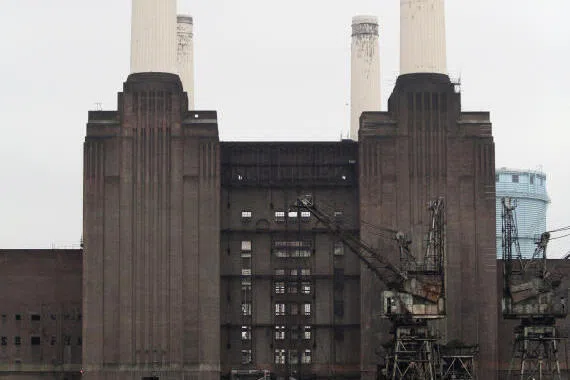
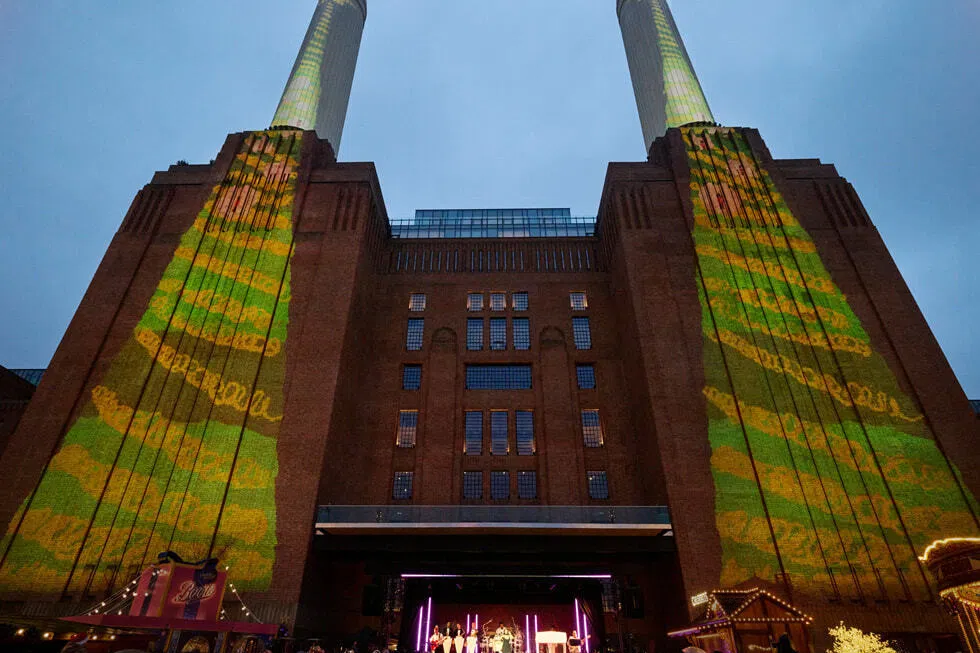
Battersea Power Station is an iconic Grade-II-listed former coal-fired power plant on the south bank of the River Thames.
Known for its four white chimneys and imposing brick design, it operated between the 1930s and 1983, and once supplied a fifth of London’s electricity.
The former Battersea Power Station, famously featured on the cover of Pink Floyd’s 1977 album Animals, symbolised decades of London’s industrial decline.
After its closure in 1983, the building stood empty for decades. Multiple redevelopment attempts failed due to high restoration costs and complex conservation requirements. It became a well-known symbol of stalled urban regeneration.
How did Malaysia become involved?
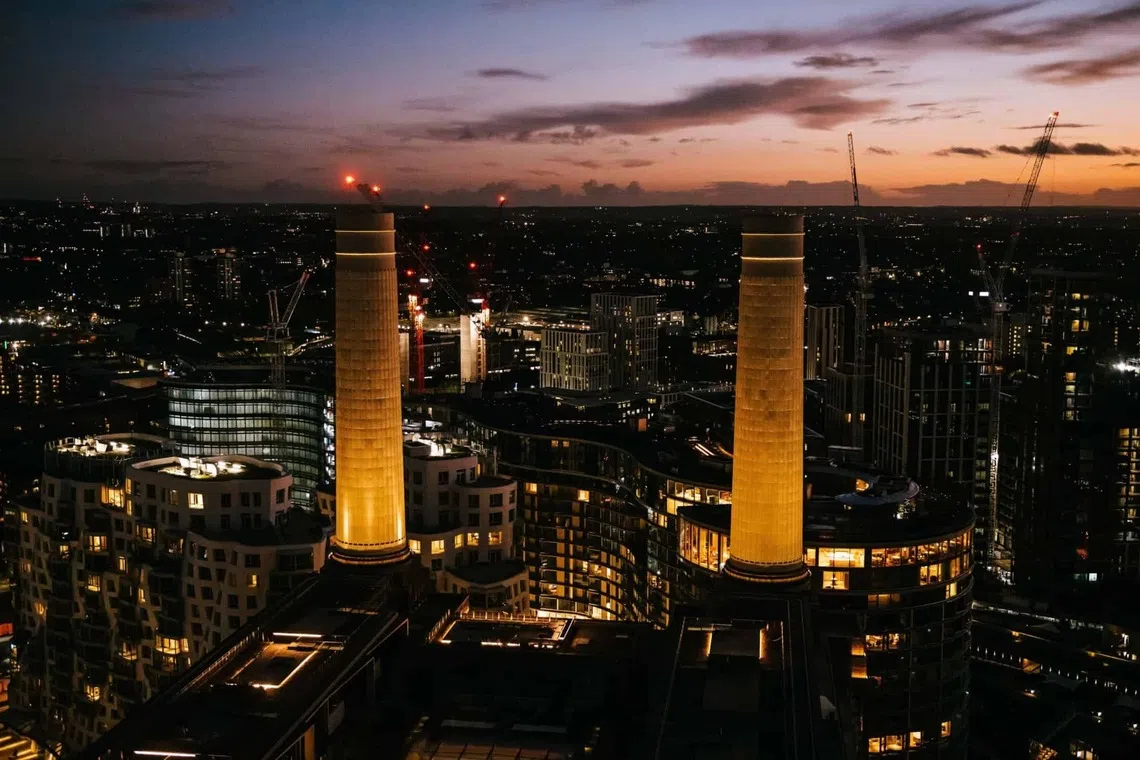
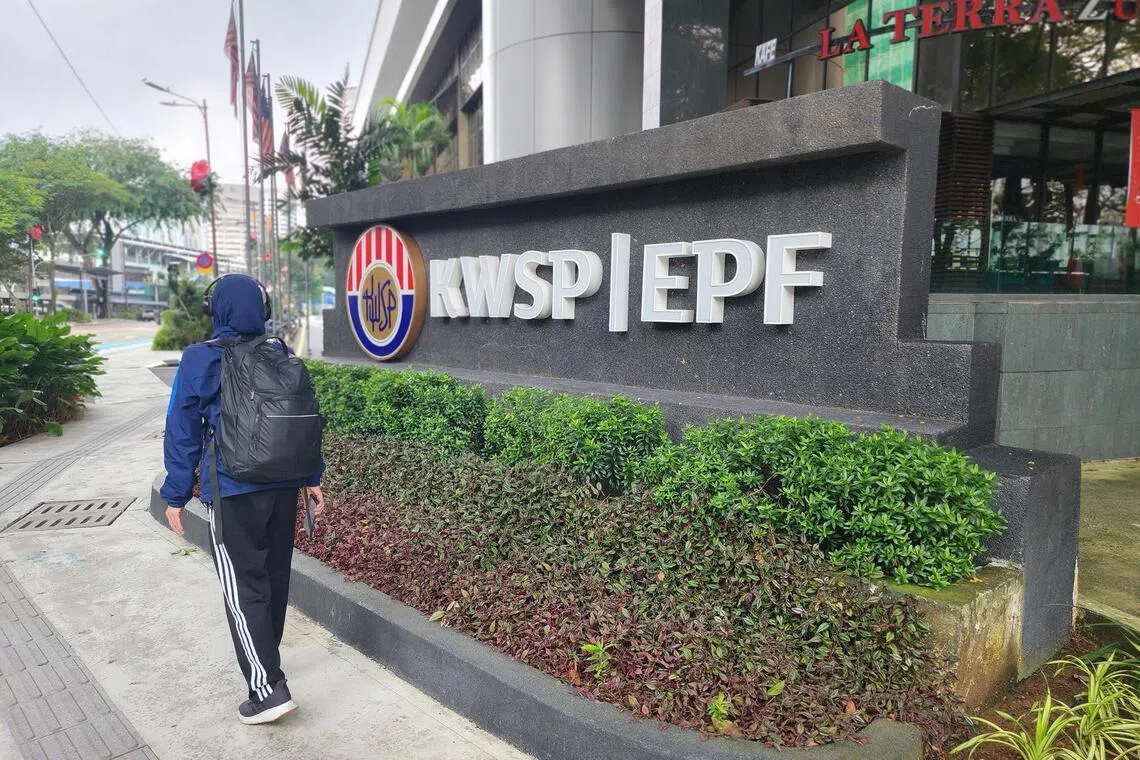
In 2012, the iconic but long-abandoned landmark was rescued from insolvency by a Malaysian consortium comprising the Employees Provident Fund (EPF) and two leading property developers, SP Setia and Sime Darby Property, which acquired the 17-hectare Battersea Power Station site for approximately £400 million (S$683 million).
This consortium was formalised under the Battersea Project Holding Company Limited with Sime Darby Property and SP Setia each holding a 40 per cent stake, and EPF holding the remaining 20 per cent.
Both Sime Darby Property and SP Setia are government-linked companies, with government entities such as Amanah Saham Bumiputera and state-owned asset manager Permodalan Nasional Berhad (PNB) being their major shareholders.
While EPF said the investment offered a strategic opportunity to own a rare and iconic real estate asset in a global city capable of generating sustainable long-term income, SP Setia and Sime Darby Property described the project as a gateway into niche, high-growth international markets.
What did the restoration involve?

This acquisition marked the start of a major regeneration initiative with an estimated gross development value of around £9 billion, transforming the iconic, derelict power station into a mixed-use landmark with residential, retail, commercial and cultural spaces, making it one of Europe’s largest urban redevelopment schemes.
The redevelopment included full restoration of the iconic chimneys and preservation of the heritage-listed power station structure.
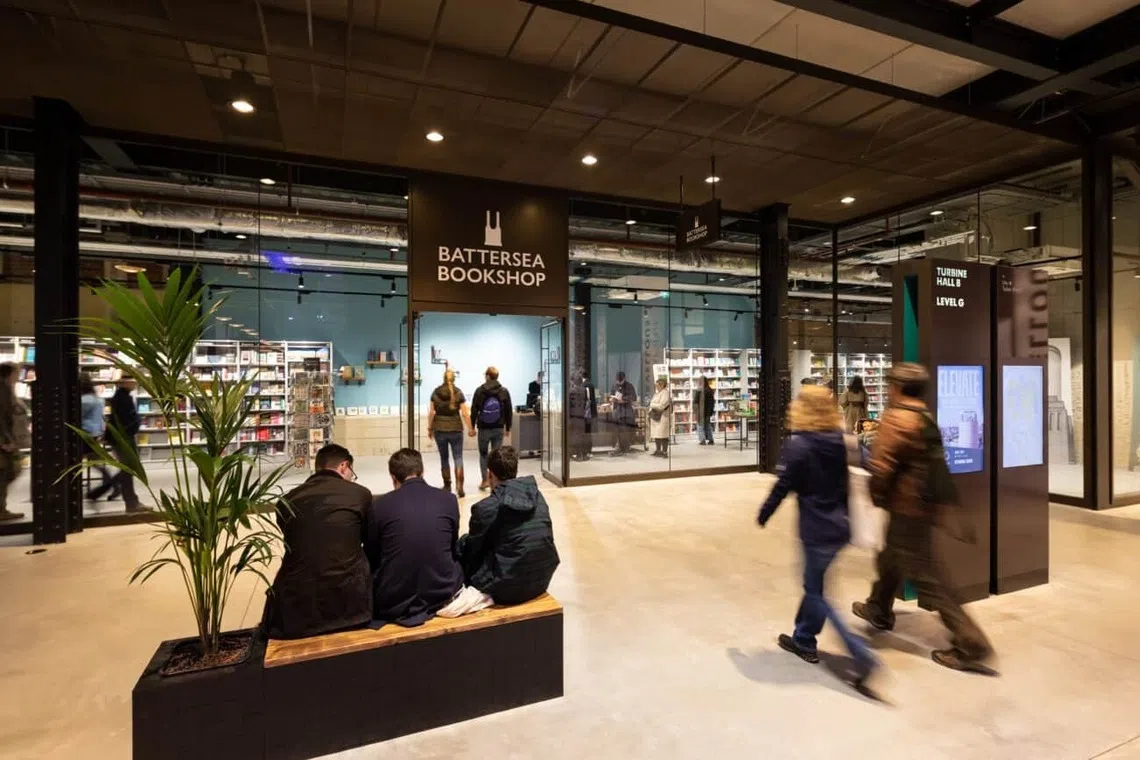
It introduced a vibrant mix of live, work and play elements: office, retail, dining, leisure and corporate spaces were integrated within the original turbine halls to attract visitors. Notably, in 2016, Apple agreed to lease around 500,000 square feet for its UK headquarters, occupying six floors inside the central Boiler House.
Over 4,000 new apartments were built inside and around the site. A new London Underground station serving the district opened in 2021.
This transformed a long-abandoned landmark into a thriving mixed-use residential, retail, cultural and business hub.
Since its public opening in October 2022, Battersea Power Station has welcomed over 22 million visitors (as at end-2024). This milestone reflects consistently high footfall, averaging approximately 30,000 visitors per day, according to the Battersea Power Station management.
Who owns which parts today?
Ownership of Battersea Power Station’s main commercial building – including Apple’s UK headquarters and the retail mall – is held by PNB and EPF.
Meanwhile, the residential apartments and surrounding new-build homes are owned by the original consortium comprising EPF, Sime Darby Property, and SP Setia.
What is in the Battersea development?
The Battersea development encompasses a diverse range of residential projects spread across its 17-hectare site and nearby areas, forming a vibrant new community. Key residential components include:
- Circus West Village (Phase 1): Completed in 2017, housing over 1,800 residents with a mix of apartments and community facilities.
- Battersea Power Station Residences (Phase 2): Hundreds of new homes integrated within the restored heritage power station building.
- Prospect Place: A high-profile residential development master-planned by Gehry Partners with distinctive architectural design.
- Mixed new builds: Various new apartments and houses, ranging from studios to five-bedroom homes, distributed in nearby neighbourhoods such as Winstanley and York Road, Clapham South, and the River Thames waterfront.
- Community amenities: Alongside housing, the development includes over 8 hectares of public space, parks, shops and transportation links such as the Northern Line extension and new London Underground stations.
According to London-based real estate company Kinleigh Folkard and Hayward, Battersea’s average property price hovers around £850,000 to £1.3 million in 2024, depending on the property type.
Nearby locations typically see lower average prices. For instance, prices at Nine Elms, which is around 2 km away from Battersea, averaged around £764,000 to £1.2 million.
What is happening now?
Bloomberg reported in October that PNB and EPF appointed BNP Paribas to advise on potential offers for the commercial building. No official sale is underway, but investors have shown interest.
Media reports estimated the asset was last valued at around £1.6 billion in 2019. Any sale today would be among the largest UK property deals in the post-pandemic, high-interest-rate period.
In a joint statement, PNB and EPF have clarified that they have no immediate plans to exit Battersea, but they do receive offers from parties interested in investing in the project from time-to-time.
They emphasised that such proposals will be evaluated carefully in line with their investment criteria and considerations.
“As such, typically when investments reach maturity and achieve targeted returns, we would consider the opportunities for monetisation or the introduction of strategic partners to support future capital requirements and growth,” said PNB and EPF.
Why this could be happening now
- Market repricing in London
Higher interest rates and changing work patterns have affected commercial real estate values. However, trophy assets with strong tenants, such as Apple, remain sought after by sovereign funds and pension investors.
- Malaysia’s investment rebalancing
EPF has been gradually increasing domestic investments following the Malaysian government’s call to support local markets.
In May 2023, Malaysian Prime Minister Anwar Ibrahim encouraged EPF to lower overseas allocations to below 30 per cent of its portfolio.
As at mid-2025, 39 per cent of EPF’s investments remained overseas, 61 per cent domestic.
In June, EPF was reportedly preparing to sell a portfolio of UK private hospitals valued at about £1.4 billion. The fund has appointed broker Knight Frank to offer the 12 properties for sale.






