

Biden administration begins trade dialogue with Taiwan
 Add BT as a preferred source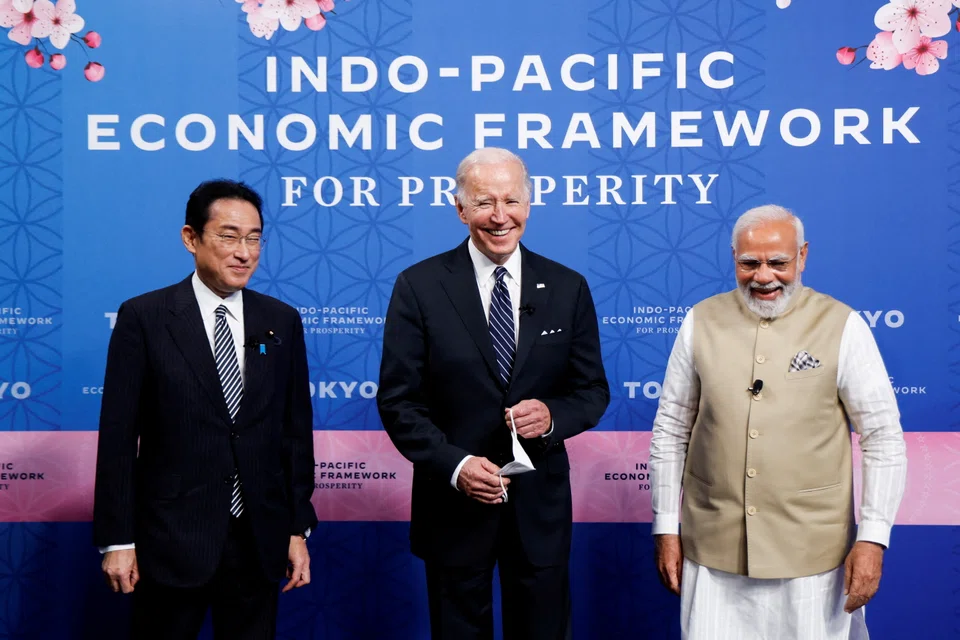
DeeperDive is a beta AI feature. Refer to full articles for the facts.
THE Biden administration on Wednesday said that it would pursue negotiations to strengthen trade and technology ties with Taiwan, a move that is aimed at countering China’s influence in the Asia-Pacific region and one that is likely to rankle Beijing.
The announcement follows the administration’s efforts to build an Asia-Pacific economic bloc, known as the Indo-Pacific Economic Framework, that includes 13 countries and excludes Taiwan.
China claims the island, a self-governing democracy that is critical to global technology supply chains, as an incontestable part of its territory.
While Taiwan expressed interest in becoming a full member of the Indo-Pacific framework, that prospect was deemed too controversial by many participating countries.
The talks with Taiwan will cover many of the same issues as the framework, from digital trade to reducing red tape for importers and exporters. US officials said the talks, the first of which will be held in Washington at the end of June, would focus on a variety of issues, including opening up trade in agriculture and aligning technological standards.
Several topics of the discussion are clearly aimed at addressing mutual complaints over Chinese trade practices. US officials said they would work with Taiwan to eliminate forced labour in global supply chains and develop provisions to compete with non-market practices from state-owned enterprises.
Navigate Asia in
a new global order
Get the insights delivered to your inbox.
Negotiations will happen along two tracks, with the US trade representative handling trade issues and the Commerce Department in charge of technology and investment, including coordination on export controls and measures to secure semiconductor supply chains.
“Taiwan is an incredibly important partner to us, especially as it relates to semiconductors,” Commerce Secretary Gina Raimondo said Tuesday, adding, “We look forward to continuing to deepen our economic ties with Taiwan.”
Taiwan has long pushed for deeper trade ties with the United States. In 2020, it eased restrictions on imports of American beef and pork in an effort to entice the United States into formal negotiations. The following year, the United States and Taiwan resumed some trade talks despite Beijing’s opposition.
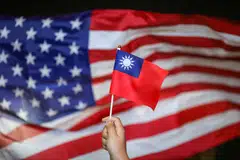
Since then, a global shortage of semiconductors, among Taiwan’s most valuable exports, has further increased the island’s strategic importance.
Because the Biden administration’s negotiations with Taiwan would not include so-called market access provisions that require changes in US law, the administration does not anticipate needing congressional approval for any agreement, senior officials said, although they added that they would continue to consult with Congress on the process.
Given Taiwan’s contested status, the two sides will also meet unofficially and under the auspices of the American Institute in Taiwan, which is the de facto US embassy in Taipei, and the Taipei Economic and Cultural Representative Office, which represents Taiwan in the United States in the absence of diplomatic recognition.
Senior US officials said Tuesday that while they didn’t include Taiwan among the initial members negotiating the Indo-Pacific Economic Framework, going forward they intended to take a flexible approach to participation. NYTimes
Decoding Asia newsletter: your guide to navigating Asia in a new global order. Sign up here to get Decoding Asia newsletter. Delivered to your inbox. Free.
Share with us your feedback on BT's products and services
TRENDING NOW

Shelving S$5 billion office redevelopment plan proved ‘wise’ as geopolitical risks mount: OCBC chairman

OCBC is said to emerge as lead bidder for HSBC Indonesia assets

Middle East-linked energy supply shocks put Asean Power Grid back in focus

Eurokars Group introduces rental car franchises Enterprise Rent-A-Car, National Car Rental, and Alamo to Singapore

