

Biden Administration releases plan for US$50b investment in chips
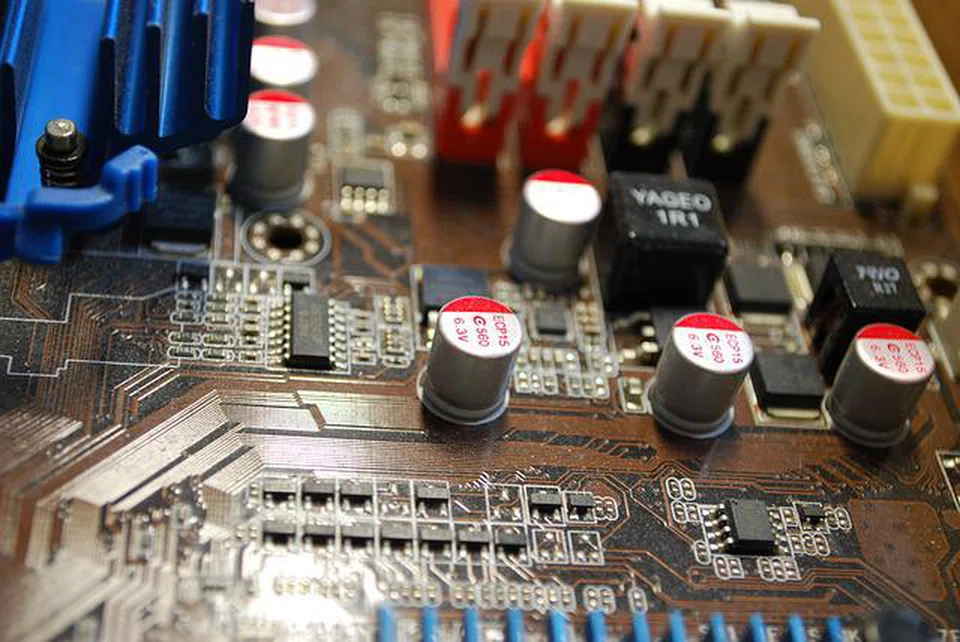
THE Department of Commerce on Tuesday (Sep 6) unveiled its plan for dispensing US$50 billion aimed at building up the domestic semiconductor industry and countering China, in what is expected to be the biggest US government effort in decades to shape a strategic industry.
About US$28 billion of the so-called CHIPS for America Fund is expected to go toward grants and loans to help build facilities for making, assembling and packaging some of the world’s more advanced chips.
Another US$10 billion will be devoted to expanding manufacturing for older generations of technology used in cars and communications technology, as well as speciality technologies and other industry suppliers, while US$11 billion will go toward research and development initiatives related to the industry.
The department is aiming to begin soliciting applications for the funding from companies no later than February, and it could begin disbursing money by next spring, Commerce Secretary Gina Raimondo said in an interview.
The fund, which was approved by Congress in July, was created to encourage US production of strategically important semiconductors and spur research and development into the next generation of chip technologies. The Biden administration says the investments will lessen dependence on a foreign supply chain that has become an urgent threat to the country’s national security.
“This is a once-in-a-lifetime opportunity, a once-in-a-generation opportunity, to secure our national security and revitalise American manufacturing and revitalise American innovation and research and development,” Raimondo said. “So, although we’re working with urgency, we have to get it right, and that’s why we are laying out the strategy now.”
Trade experts have called the fund the most significant investment in industrial policy that the United States has made in at least 50 years.
It will come at a pivotal moment for the semiconductor industry.
Tensions between the United States and China are rising over Taiwan, the self-governing island that is the source of more than two-thirds of the most advanced semiconductors. Shortages of semiconductors have also helped to fuel inflation globally, by increasing delivery times and prices for electronics, appliances and cars.

Semiconductors are crucial components in mobile phones, pacemakers and coffee makers, and they are also the key to advanced technologies such as quantum computing, artificial intelligence and unmanned drones.
With midterm elections fast approaching, the Biden administration is under pressure to demonstrate that it can use this funding wisely and lure manufacturing investments back to the United States. The Commerce Department is responsible for choosing which companies receive the money and monitoring their investments.
In its strategy paper, the Commerce Department said that the United States remained the global leader in chip design, but that it had lost its leading edge in producing the world’s most advanced semiconductors. In the past few years, China has accounted for a substantial portion of newly built manufacturing, the paper said.
The high cost of building the kind of complex facilities that manufacture semiconductors, called fabs, has pushed companies to separate their facilities for designing chips from those that manufacture them. Many leading companies, such as Qualcomm, Nvidia and Apple, design chips in the United States, but they contract out their fabrication to foundries based in Asia, particularly in Taiwan. The system creates a risky source of dependence for the chips industry, the White House says.
The department said the funding aims to help offset the higher costs of building and operating facilities in the United States compared with other countries, and to encourage companies to build the larger type of fabs in the United States that are now more common in Asia. Domestic and foreign companies can apply for the funds, as long as they invest in projects in the United States.
To receive the money, companies will need to demonstrate the long-term economic viability of their project, as well as “spillover benefits” for the communities they operate in, such as investments in infrastructure and workforce development, or their ability to attract suppliers and customers, the department said.
Projects that involve economically disadvantaged individuals and businesses owned by minorities, veterans or women, or that are based in rural areas, will be prioritised, the department said. So will projects that help make the supply chain more secure by, for example providing another production location for advanced chips that are manufactured in Taiwan. Companies are encouraged to demonstrate that they can obtain other sources of funding, including private capital and state and local investment.
The Commerce Department is setting up two new offices housed under the National Institute of Standards and Technology to set up the programmes.
One of the department’s biggest challenges will be ensuring that the government funds add to, rather than displace, money that chipmaking companies were already planning to invest. Companies including GlobalFoundries, Micron, Qualcomm and Intel have announced plans to make major investments in US facilities that may qualify for government funding.
The chips Bill specifies that companies that accept funding cannot make new, high-tech investments in China or other “countries of concern” for at least a decade, unless they are producing lower-tech “legacy chips” destined to serve only the local market.
The Commerce Department said it would review and audit companies that receive the funding, and claw back funds from any company that violates the rules. The guidelines also forbid recipients from engaging in stock buybacks, so that taxpayer money doesn’t end up being used to reward a company’s investors.
“We’re going to run a serious, competitive, transparent process,” Raimondo said. “We are negotiating for every nickel of taxpayer money.” NYTimes
Decoding Asia newsletter: your guide to navigating Asia in a new global order. Sign up here to get Decoding Asia newsletter. Delivered to your inbox. Free.
Share with us your feedback on BT's products and services
TRENDING NOW

Singapore expects all parties to honour commitments, says PM Wong after Indonesia cuts gas exports

Gas Supply may pursue remedies if contract breached following Indonesia’s export cuts: Tan See Leng

SoftBank’s Son plans US$50 billion Malaysia tech outlay: Anwar Ibrahim

Is Manila Asia’s new dining hot spot?

