Biden to ban Russian oil imports into the US
Meanwhile, Ukrainians escape besieged Sumy in first evacuation corridor agreed with Russia
 Add BT as a preferred source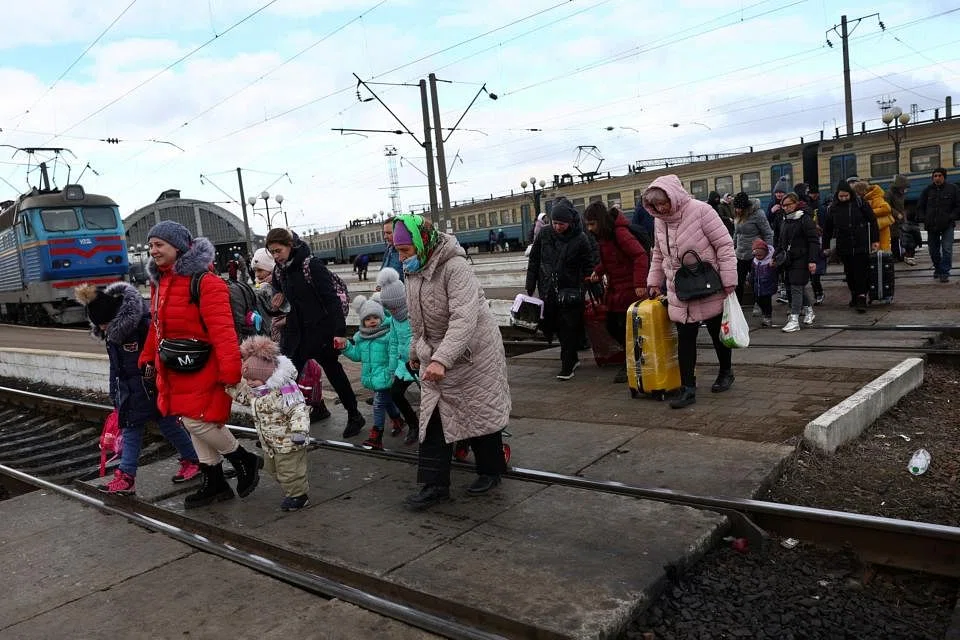
DeeperDive is a beta AI feature. Refer to full articles for the facts.
Washington, DC
PRESIDENT Joe Biden on Tuesday (Mar 8) was set to announce a ban on the importation of Russian oil into the United States, making the move after pressure from lawmakers in both parties to punish Russia for its invasion of Ukraine.
The ban was expected to include Russian oil, liquefied natural gas and coal. The decision was made in consultation with European allies, who rely more heavily than the US on Russian energy.
The move would shut off the relatively small flow of oil into the US, which receives less than 10 per cent of its energy resources from Russia. Russian oil made up about 3 per cent of all the crude shipments that arrived in the US last year, US Energy Information Administration data show.
Overall, imports of Russian oil and petroleum products represented about 8 per cent of the US total. US imports of Russian crude in 2022 have dropped to the slowest annual pace since 2017, according to the intelligence firm Kpler.
Republicans and Democrats in Congress had been urging the president to take the step to ban oil imports to ensure that President Vladimir Putin of Russia was not profiting from American purchases of oil.
Navigate Asia in
a new global order
Get the insights delivered to your inbox.
Officials said Biden had struggled for days about whether to take the step amid concerns about whether it would accelerate the already rapid rise in the price of petrol at the pumps - a potent political issue for Americans in a critical election year.
Already, concern about disruptions in the flow of oil around the world has pushed the price of Brent crude, the global benchmark for oil, up about 4.3 per cent on Monday to US$123.21 a barrel. It has been as high as US$139 a barrel, up 26 per cent over the past week.
But it is unlikely that Biden will be joined by the leaders of European countries, according to officials. Europe gets about 30 per cent of its oil from Russia and leaders there have been wary of taking a step that would cut off that supply.
Meanwhile, earlier on Tuesday, Ukrainians boarded buses to flee the besieged eastern city of Sumy, the first evacuation from a Ukrainian city through a humanitarian corridor agreed with Russia after several failed attempts in recent days.
Residents were also leaving the town of Irpin, a frontline Kyiv suburb where Reuters journalists had filmed families fleeing for their lives under fierce bombardment on Sunday.
Russia's Interfax news agency said Moscow was opening corridors on Tuesday to allow people to leave 5 Ukrainian cities: Cherhihiv, Kharkiv, Mariupol and the capital Kyiv, as well as Sumy.
Russian and Ukrainian officials had agreed similar corridors to evacuate residents from the besieged port of Mariupol in the south on Saturday and Sunday, but both those attempts failed. NYTIMES, BLOOMBERG, REUTERS
Decoding Asia newsletter: your guide to navigating Asia in a new global order. Sign up here to get Decoding Asia newsletter. Delivered to your inbox. Free.
Share with us your feedback on BT's products and services