

Billions at stake from pandemics and natural disasters: study
Lloyd's: Emerging economies will bear two-thirds of risk- related financial losses
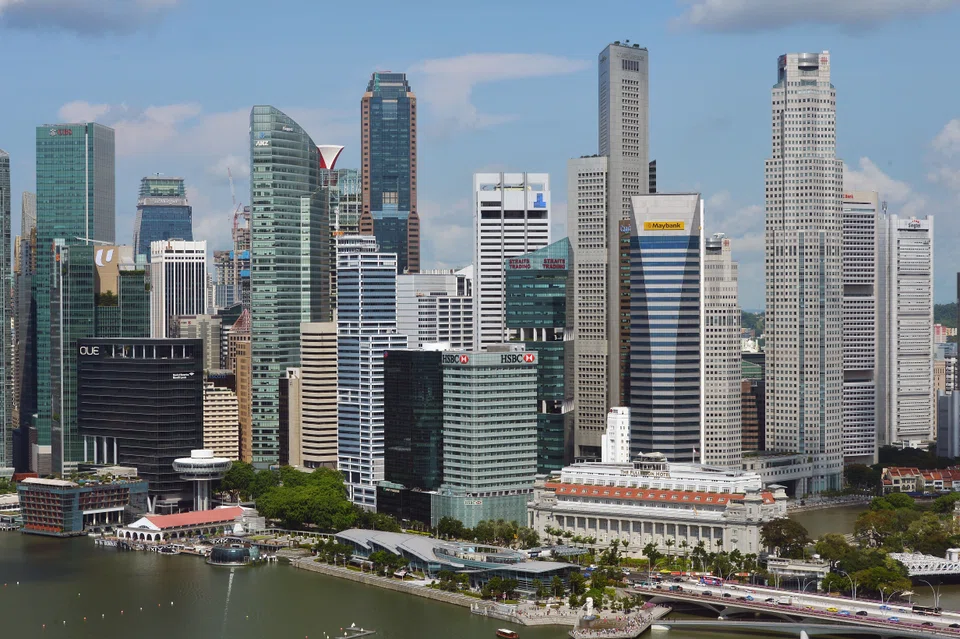
Singapore
HUNDREDS of billions of dollars in economic output from Southeast Asia's largest cities could be at risk from threats such as a human pandemic or a market crash in this decade, suggests a new global study.
The study, commissioned by insurer Lloyd's and carried out by the Cambridge Centre for Risk Studies at the University of Cambridge Judge Business School, analysed GDP at risk in 301 cities around the world. It's known as the Lloyd's City Risk Index.
The study looked at Southeast Asia's 15 largest cities, such as Singapore, and estimated that some US$300 billion would be at risk, even as Lloyd's stressed that these findings are not predictive or actual forecasts. This number reflects 17.7 per cent of the projected average annual GDP of US$1.69 trillion generated by those cities in this region, over 10 years.
Such threats include a wind storm, a market crash and a human pandemic. The study noted that emerging economies will bear two-thirds of risk-related financial losses, but this mostly reflects the swift economic growth that is projected from such countries.
In Singapore, its total GDP at risk is estimated at 10 per cent of its projected average annual GDP, or over US$50 billion. Risk to growth would come mostly from a market crash and oil price shocks.
The study assumed an average GDP growth rate of 5.67 per cent in Singapore. As reference, the government expects GDP growth of 2-4 per cent a year for the rest of this decade. This year's growth forecast now stands at 2-2.5 per cent.
Globally, US$4.6 trillion of projected GDP is at risk from various forms of catastrophic events, with man-made risks contributing nearly half of the total GDP at risk.
"Humans harm themselves," said Kent Chaplin, Lloyd's head of Asia-Pacific, at a media briefing. The expected losses are weighed according to the probability of the events happening.
It does not account for the correlation between factors. As an example, the severe acute respiratory syndrome (Sars) outbreak had a severe economic impact on Singapore. But the impact from factors of a market crash and an epidemic is assessed within silos, said Lloyd's.
Mr Chaplin said as risks from cyber-attacks increase, insurers are working to understand cyber-security, and better assess the risk.
This year, the Monetary Authority of Singapore, Lloyd's and the British government signed an agreement aimed at building greater understanding of risk exposure in Asia, and in supporting the growth of insurance markets across the region.
TRENDING NOW

Nvidia reinstates Jensen Huang as CEO; Trump says move poses no national security risk

Beyond the greenback, Vietnam’s big borrowers turn to Asian-currency bonds

Indonesia’s coal tycoon Low Tuck Kwong replaced as Bayan Resources president-director

Six workers file employment claims against Crystal Jade Food Manufacturing

