BOE officials say Brexit fuelling inflation, driving up rates
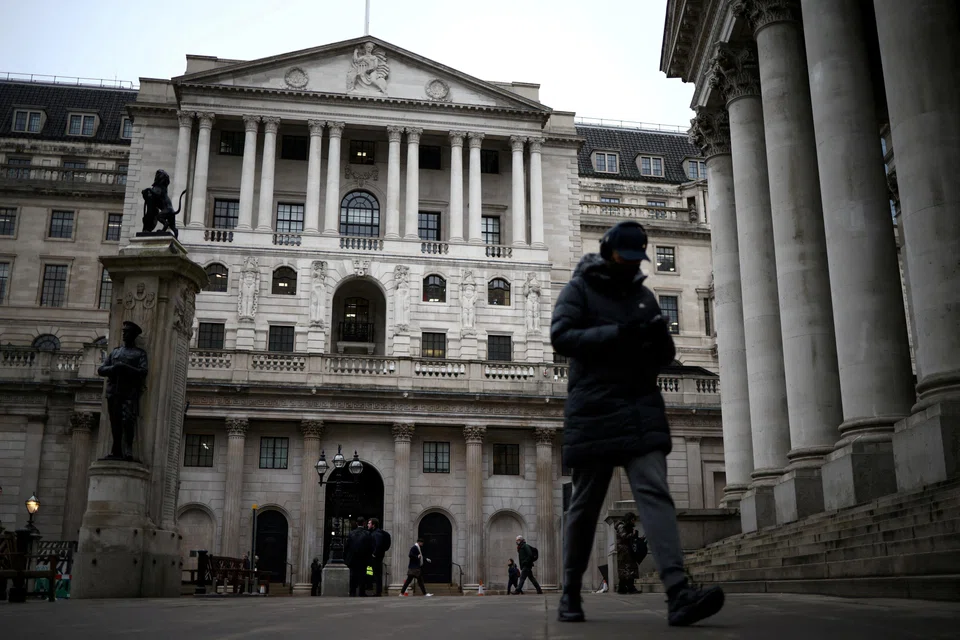
TWO Bank of England (BOE) officials warned that Britain’s departure from the European Union is helping to stoke inflation and is one of the factors pushing up interest rates. Chief economist Huw Pill said on Monday (Feb 6) the trade blow dealt by Brexit adds to risks of the UK economy overheating. Policymaker Catherine Mann earlier in the day said Brexit was a “unique” shock that’s fuelling inflation in the UK. The comments are likely to anger some Conservative members of Parliament, who have criticised the central bank for being too pessimistic about the UK’s prospects after leaving the EU. The BOE sounded a warning on Brexit’s economic effects last week with Pill saying the UK is yet to see any positive impact from the departure. Pill said historically higher trade has had a positive impact on productivity after the UK scaled back its ties with its closest neighbours. “If there’s less supply in the economy, the threat is that for the same demand with less supply that will tend to push inflation up,” Pill said in an online Q&A hosted by the BOE. “The potential of the economy in the UK to produce is weaker than has been the case in the past or growing more weakly than has been the case in the past.” The BOE said in last week’s Monetary Policy Report that Brexit effects on trade and the labour force were partially behind a gloomy assessment of the UK’s growth prospects. Pill said on Monday that a sharper than expected hit to goods trade from the UK’s new trading relationship with the European Union has brought forward the predicted damage done to productivity. He said this would factor into its interest rate decisions as the BOE attempts to stop demand outstripping supply. New analysis from the BOE last week suggested that the trade hit to the economy is happening sooner than initially thought. Since January 2021, goods trade has slumped 14 per cent in its adjusted figures, compared to a 7 per cent fall in official data. However, Pill added that Brexit is just “one aspect that has affected the supply side of the economy”. He noted possible constraints to the jobs market from large number of early retirees and long-term sickness in the UK since the pandemic struck. Earlier in the day Mann, an external member of the BOE’s Monetary Policy Committee, said the Brexit shock made the UK “unique” in its bid to tame price pressures. “No other country chose to unilaterally impose trade barriers on its closest trading partners,” she said. The BOE chief economist also said in the Q&A:
- Pill said he is not comfortable calling a “turning point” on interest rates yet as some market commentators have suggested.
- He pushed back strongly against the idea of changing the BOE’s 2 per cent inflation target, warning it could cause expectations to de-anchor.
- Pill said that higher house prices are not necessarily “good for the economy” amid predictions of sharp falls in 2023. BLOOMBERG
Decoding Asia newsletter: your guide to navigating Asia in a new global order. Sign up here to get Decoding Asia newsletter. Delivered to your inbox. Free.
Share with us your feedback on BT's products and services