Boeing cash, sales rise after most jet deliveries since 2018
The company’s earnings are boosted by a US$9.6 billion gain tied to the sale of its Jeppesen digital aviation subsidiary in 2025
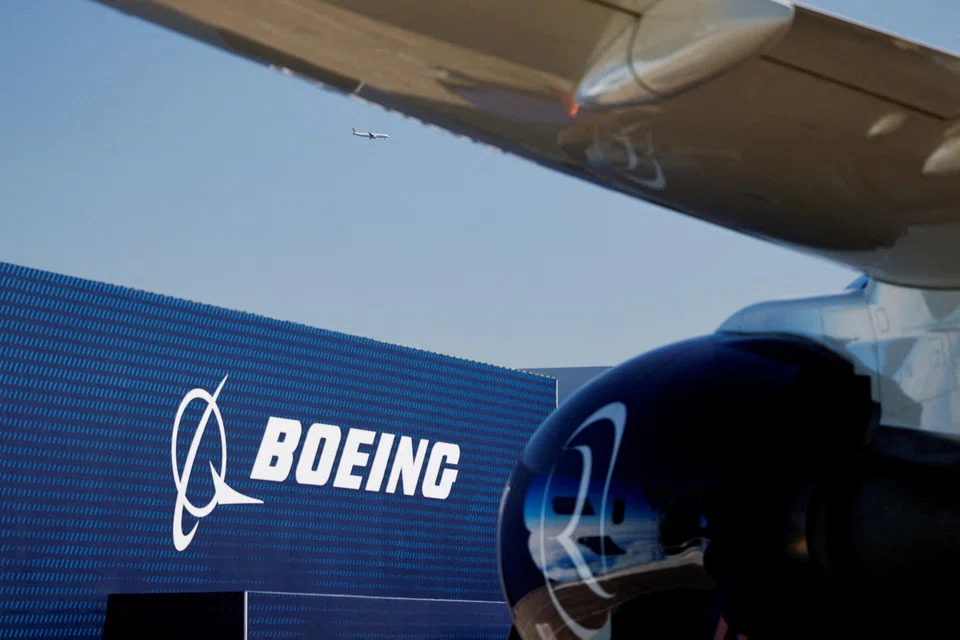
BOEING generated cash for a second straight quarter, and reported a 57 per cent bump in sales in the final three months of 2025, as the US planemaker continues its recovery and benefits from surging orders.
Free cash flow was US$375 million in the fourth quarter, more than analysts expected, while revenue rose to US$23.95 billion.
Earnings were boosted by a US$9.6 billion gain tied to the sale of Boeing’s Jeppesen digital aviation subsidiary in 2025.
On Tuesday (Jan 27), CEO Kelly Ortberg said in a message to employees: “We are making good progress and there is a lot to be optimistic about as we start the year. At the same time, with progress comes expectations, and our customers and stakeholders are going to expect more from us this year.”
Under him, Boeing is emerging from a half decade of operational and quality meltdowns. The company is raising output of its 737 and 787 Dreamliner jetliners, and it almost tripled aircraft deliveries in the final quarter.
The company’s total backlog has surged to a record US$682 billion, as customers used aircraft purchases to improve their standing with the White House and US President Donald Trump.
The Arlington, Virginia-based manufacturer reported adjusted earnings per share of US$9.92 in the fourth quarter, the highest quarterly figure in a decade or more.
Closing the sale of its digital aviation solutions segment in November increased earnings by US$11.83 a share in the period, Boeing said in a statement.
Excluding that gain, the planemaker’s loss per share was worse than the US$0.46 loss analysts predicted, data compiled by Bloomberg showed.

The 737 programme increased production to 42 jets a month in the quarter, while the 787 programme moved to eight aircraft a month, and the company said it “remains focused on stabilising at that rate”.
The company booked 336 net orders in the quarter, and delivered 160 jets.
Boeing declined by less than 1 per cent before the start of regular trading in New York. The stock had gained 14 per cent this year until Monday’s close, making it the top performer among the Dow Jones Industrial Average.
This year is shaping up as pivotal in Ortberg’s work to turn Boeing into a steady performer, though its earnings report also revealed there is still work to be done.
While the defence, space and security division pared its operating loss to US$507 million from US$2.27 billion a year ago, the unit recorded another cost overrun for the KC-46 aircraft refuelling programme of about US$600 million.
Boeing also faces other challenges, such as certifying three commercial jet models after extensive delays.
The company is also working to integrate Spirit AeroSystems Holdings, a former major sub-contractor that it acquired in late 2025.
Ortberg faces more potential labour strife in October when the contract expires for a union representing 16,000 Seattle-area engineers and technical workers.
Consolidated debt rose slightly to US$54.1 billion with the acquisition of Spirit, a former subsidiary that makes the bulk of the 737’s frame. Cash and investments in marketable securities rose to US$29.4 billion from US$23 billion on the Jeppesen sale.
Boeing and Airbus jet deliveries are still 20 to 30 per cent below their peak late last decade, as the planemakers and their suppliers continue to recover from post-pandemic shortages of parts and labour. BLOOMBERG
Decoding Asia newsletter: your guide to navigating Asia in a new global order. Sign up here to get Decoding Asia newsletter. Delivered to your inbox. Free.
Share with us your feedback on BT's products and services