

Boeing expects India, South Asia to add 3,290 jets over next 20 years
Resilient economic growth, a growing middle class and a wave of first-time flyers are driving demand for air travel
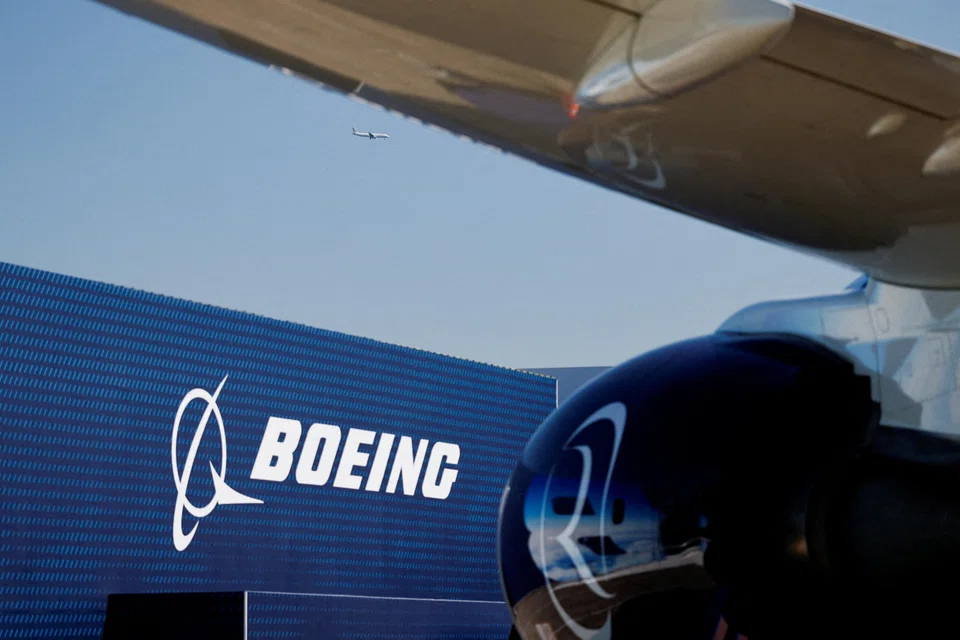
[HYDERABAD] Boeing on Wednesday (Jan 28) said that it expects airlines in India and South Asia to add 3,290 commercial jets to their fleets over the next 20 years.
This comes as resilient economic growth, a growing middle class and a wave of first-time flyers drive the demand for air travel. The company’s previous rolling 20-year outlook forecast demand for 2,835 jets.
India and South Asia have together become one of the world’s fastest-growing aviation markets, with carriers racing to expand capacity and modernise fleets as airports are upgraded, and low-cost and full-service airlines aggressively expand their networks.
The region has also emerged as a key testing ground for planemakers, as Airbus and Boeing compete for dominance while airlines step up their purchases.
Boeing expects airlines to add 395 wide-body jets and 2,875 single-aisle planes over the period.
Its forecast for the region is closely watched in the global aerospace sector, with India being the world’s third-largest domestic aviation market, after the US and China. India is also the fastest-growing market, led by IndiGo and Air India, the country’s two largest carriers.
Ashwin Naidu, Boeing’s managing director of commercial marketing for India and South Asia, said: “There are lots of other aviation markets in the world that are larger, but now they have reached a point where they are effectively replacing fleets more than growing fleets ... what India is doing is exactly the opposite.”
India must also scale up its aviation infrastructure to keep pace with the growing travel demand, he noted.
He added: “India’s network still remains very heavily concentrated on Delhi and Mumbai, with (more than) 30 per cent of the network still reliant on these two markets.”


The company has been regaining momentum after a series of crises. It delivered the most aircraft in 2025 since 2018, and surpassed Airbus in net orders for the first time in seven years.
However, the industry continues to grapple with slow deliveries as supply chain disruptions limit planemakers’ ability to capitalise on strong demand, forcing airlines to spend heavily on maintaining their older jets. REUTERS
Decoding Asia newsletter: your guide to navigating Asia in a new global order. Sign up here to get Decoding Asia newsletter. Delivered to your inbox. Free.
Share with us your feedback on BT's products and services
TRENDING NOW

Good Class Bungalow market activity picks up pace on ‘realistic’ pricing

Indonesia imposes US$116 million in fines over manipulation of Sinar Mas, Prajogo-linked stocks

Singapore identifies 7 firms responsible for haze fires, notices issued urging action: Grace Fu

Once staunchly pro-China, Malaysian Chinese businesses are now distancing themselves from Beijing

