
BOE's Bailey urges pay restraint as UK reels from cost squeeze
 Add BT as a preferred source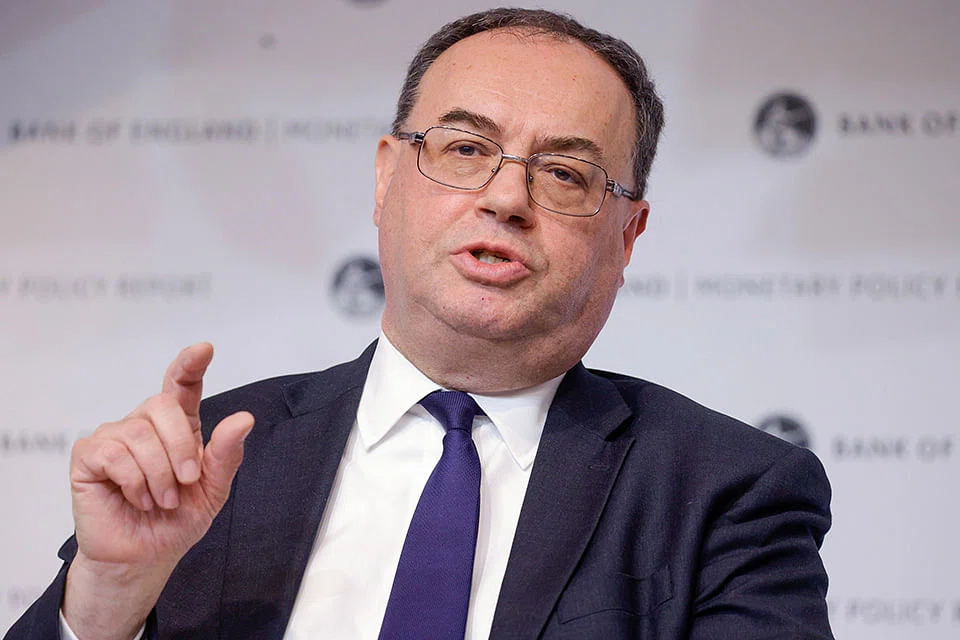
[LONDON] Bank of England (BOE) Governor Andrew Bailey urged workers to hold off on asking for bigger pay raises, saying rising wages risk fuelling inflation.
Speaking in an interview on BBC Radio 4, Bailey said people need to "show restraint." The comments, coming in the wake of news that households are about to be hit by the worst squeeze on incomes in decades, sparked a furious response on social media, with many accusing the central banker of being out of touch. Including pension and benefits, his pay amounts to more than £575,000 (S$1.1 million).
Bailey' s concern is that the UK will suffer a wage-price spiral that gets out of control. He said the economy isn't at that stage now, but policy makers are watching the labour market carefully for those risks.
"We are looking to see quite clear restraint in the bargaining process because otherwise, it will get out of control," Bailey said on Friday (Feb 4). "I'm not saying nobody gets a pay rise, don't get me wrong, but I think, what I'm saying is, we do need to see restraint in pay bargaining." The remarks build on comments Bailey made on Thursday in explaining why the BOE is raising interest rates. The UK central bank is leading the way in a global tightening of monetary policy, attempting to rein in the biggest jump in inflation in 30 years.
But the comments drew allegations of insensitivity to the concerns of households struggling to cope. UK energy bills are set to jump by almost £700 in April, the same month a tax increase kicks in.
Later on Thursday, BOE Chief Economist Huw Pill said monetary policy couldn't fix inequality issues but could contribute by preventing a runaway surge in the cost of living. "Given the nature of the shock we're facing, real incomes in the UK will suffer to some extent," Pill said in an interview on Bloomberg TV. "That' s unavoidable. There' s nothing that policy in general or monetary policy can do about that." "Monetary policy can and should focus on ensuring that we don't see a repeated attempt, which is inflation generating by different groups, different, workers, firms etc. to try and shift the burden of that shock onto others, like pushing up their wages, pushing up their margins," Pill said.
Navigate Asia in
a new global order
Get the insights delivered to your inbox.
For Bailey, they highlight the dilemma the BOE faced in its decision this week to raise rates for a second time since December.
Policy makers expect inflation to reach 7.25 per cent this year, more than triple their target, but tighter monetary policy will depress growth and hurt already hard-pressed workers.
The BOE expects underlying pay settlements to peak at close to 5 per cent this year. But high inflation will mean real pay shrinks by 2 per cent.
Bailey said his job was to prevent those price rises becoming "ingrained" and that he wanted "restraint" in pay, despite the squeeze on household budgets.
"If we let that process rip as it were it' s not going to solve the problem, it' s going to get worse, particularly for those people who aren't able to bargain on their wages, and many people aren't able to," he told ITV News on Thursday. BLOOMBERG
Decoding Asia newsletter: your guide to navigating Asia in a new global order. Sign up here to get Decoding Asia newsletter. Delivered to your inbox. Free.
Share with us your feedback on BT's products and services

