
BOJ credibility in question as traders test Kuroda’s new red line
 Add BT as a preferred source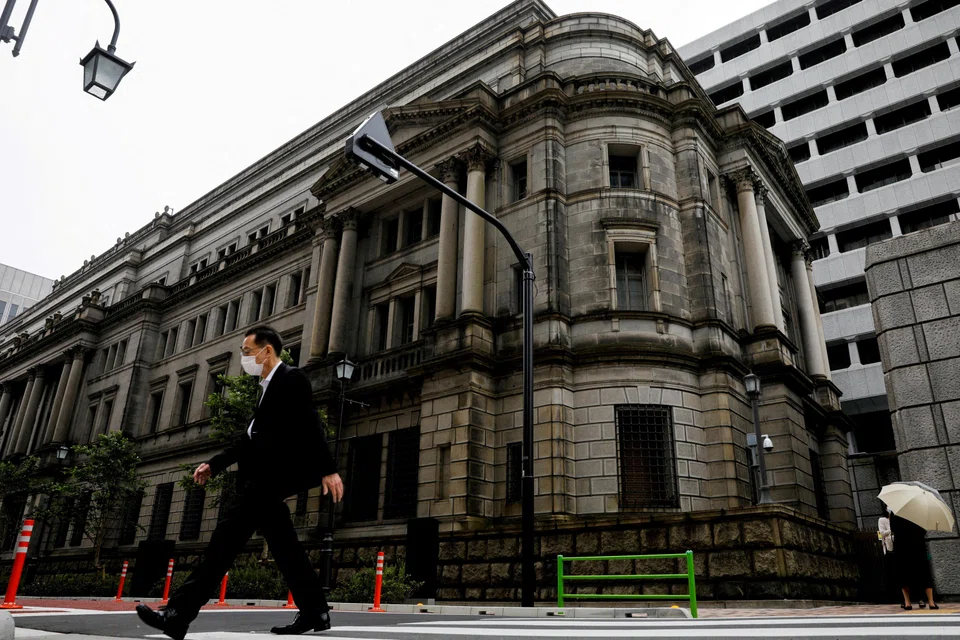
BANK of Japan (BOJ) governor Haruhiko Kuroda is facing mounting criticism over his latest shock policy decision, with several prominent economists calling it a blow to BOJ’s credibility, and traders rushing to test the central bank’s new red line on bond yields.
BOJ’s watchers, including Mitsubishi UFJ Research & Consulting’s Shinichiro Kobayashi, said Kuroda erred by appearing to backtrack on recent policy guidance without warning. Swaps traders are already betting that the BOJ will be forced to abandon its new yield cap on 10-year bonds, signalling that a 0.8 per cent rate may be possible at any time.
Growing scepticism towards the central bank’s communications may complicate efforts by Kuroda and his successor to avoid strong waves of market pressure based on speculation rather than policy guidance. This has implications for markets around the world, given that Japanese firms and individuals are major buyers of overseas assets, and the yen is an important global funding currency.
“No one is going to believe what governor Kuroda says any more,” said Kobayashi. “This is a big loss for the BOJ.”
Some economists said the central bank may need to scrap its yield curve control as a next step, to avoid repeated market ructions as it charts a course towards policy normalisation.
Kuroda defended the move at a briefing on Tuesday (Dec 20).
Navigate Asia in
a new global order
Get the insights delivered to your inbox.
“There are some people saying they feel deeply betrayed,” Kuroda said.
“But we carry out monetary policy to achieve our price stability target as soon as we can, by taking into account financial markets, economy and inflation, so it’s only natural for us to respond if there is a shift in those areas.”
The BOJ’s unexpected decision blindsided economists and investors, and sent the yen shooting up against the US dollar, along with bond yields around the world. Meanwhile, stocks headed in the opposite direction.
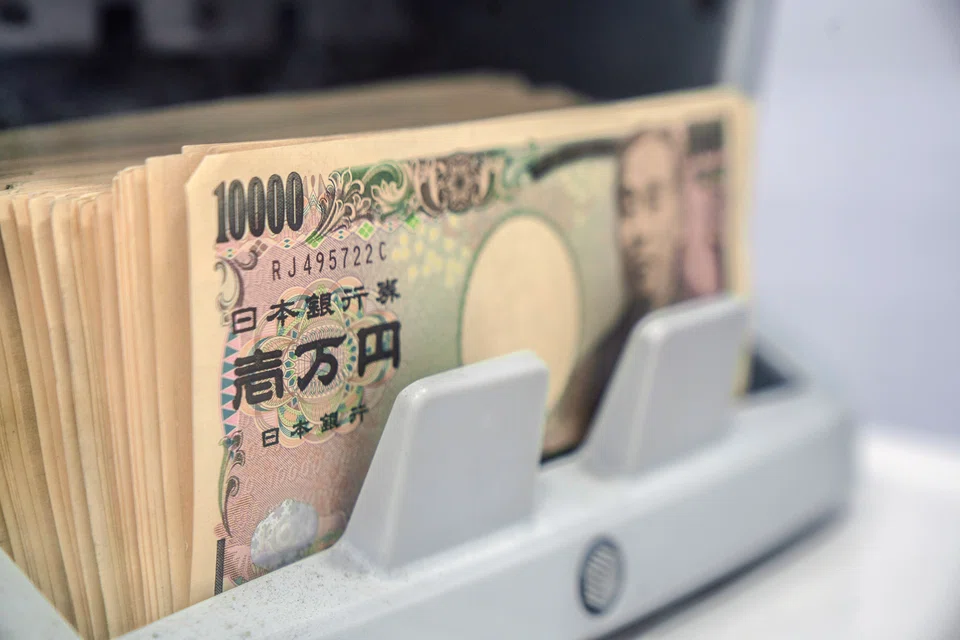
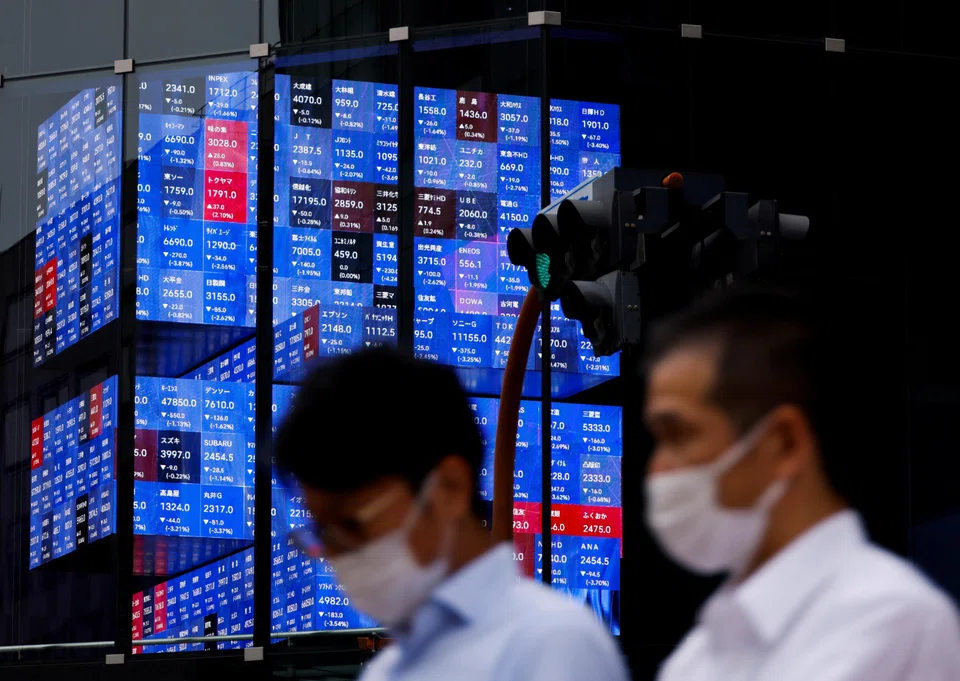

Japan’s two-year government bond yields climbed into positive territory for the first time since 2015 on Wednesday, partly as traders started to price in normalisation to come. This was despite Kuroda’s repeated remarks the day before, that an exit from stimulus was not under consideration.
The abrupt move reminded BOJ watchers of the surprises Kuroda often delivered early in his tenure at the bank. Kuroda’s decision to introduce negative rates in January 2016 came just days after saying in parliament that he was not considering such a move.
Former BOJ executive director Kazuo Momma said the reaction to Tuesday’s decision exposed the downside of the yield curve control programme. This was given the tendency of market players to price in changes whenever there was a hint of a move, he added.
This tendency was also seen last year, before the Reserve Bank of Australia was forced to abandon its version of yield curve control.
“This leaves the BOJ’s communications with a huge problem,” Momma said in a phone interview. “Yield curve control invites so much speculation because the decision to change it has to be delivered as a surprise. The BOJ could consider scrapping it as a next step.”
Faced with a similar risk of fuelling an explosion of market bets, other central banks also sometimes chose to go for an all-out surprise. In January 2015, the Swiss National Bank jettisoned its cap on the Swiss franc without warning, a move that sent shockwaves through financial markets, inflicted losses on banks, and wiped out some currency traders.
Research notes by BOJ watchers after the decision were filled with a sense of shock. None of the 47 economists surveyed ahead of the meeting had expected the widening of the band to 0.5 percentage point either side of zero.
Momma said the logic for the wider band made sense for improving market functioning, but it was difficult to understand why the BOJ had waited so long to deal with an existing problem.
The International Monetary Fund’s mission chief to Japan, Ranil Salgado, also said the BOJ move was sensible given the concerns over how the market was operating.
But he implied that the messaging had not been optimal: “Providing clearer communications on the conditions for adjusting the monetary policy framework would help anchor market expectations and strengthen the credibility of the BOJ’s commitment to achieve its inflation target.”
For now, market players are already pricing rates above the new ceiling, as shown by swaps approaching 0.8 per cent.
Mark Dowding, chief investment officer at BlueBay Asset Management, said he expects the BOJ to push its yield cap to 75 basis points by the end of March, as yields continue to rise. The firm has benefited from the adjustment.
“There will be more to come,” he said, doubling down on the firm’s short-rates position. “The risk-reward is still very much skewed toward higher yields – rather than lower yields – in Japan.”
In explaining the move, the BOJ also said Tuesday that too much distortion of the yield curve was running the risk of harming economic activities.
Mitsubishi’s Kobayashi said yield curve control has been distorting the market since it was introduced in September 2016, and that the BOJ’s explanation did not add up.
The more likely factors were political pressure, and a desire to move before the Federal Reserve started cutting rates, he said. He added that the BOJ probably wanted to act when the yen was not weakening, to avoid the impression that it targeted the currency.
In the months running up to the meeting, Kuroda said the shape of the yield curve was appropriate. He also characterised a widening of the yield range as equivalent to raising rates, an outcome that would place Japan’s recovery from the pandemic in danger. Still, he repeatedly said the bank was monitoring the side effects of policy.
Some BOJ watchers are now reconsidering their policy forecasts, and are front loading the timing for policy change.
Goldman Sachs said ditching of negative rates could be the next move. Kobayashi said he also saw a chance of this around summer next year.
To be sure, the BOJ has a chance to restore its credibility when Kuroda is replaced by a new governor in April.
“A new governor can’t risk surprises like this at the start of their time,” said Kobayashi. “The stakes are too high, as a surprise could taint the rest of their five-year term.” BLOOMBERG
Decoding Asia newsletter: your guide to navigating Asia in a new global order. Sign up here to get Decoding Asia newsletter. Delivered to your inbox. Free.
Share with us your feedback on BT's products and services

