BOJ keeps record stimulus as Japan crawls out of recession
Central bank to boost monetary base by 80 trillion yen a year
Tokyo
THE Bank of Japan (BOJ) maintained unprecedented monetary stimulus, as governor Haruhiko Kuroda aims to stoke a recovery from recession and counter a slowdown in inflation.
The central bank will boost the monetary base at an annual pace of 80 trillion yen (S$912 billion), it said in a statement on Wednesday in Tokyo, as forecast by all 35 economists surveyed by Bloomberg News.
Stocks at seven-year highs and a pick-up in exports that is supporting production reduce the urgency for additional easing. Still, a 50 per cent drop in oil prices since June threatens to trigger a bout of deflation from July to September, hampering the central bank's efforts to generate 2 per cent consumer price gains, said economist Shinichiro Kobayashi at Mitsubishi UFJ Research and Consulting Co.
"It's not time to bolster stimulus as the BOJ is examining data to judge the strength of recovery now," Kazuhiko Ogata, an economist at Credit Agricole SA, said before the decision. The BOJ may have to ease further in October to spur inflation towards its target, Mr Ogata said, while other economists have predicted a move as early as April.
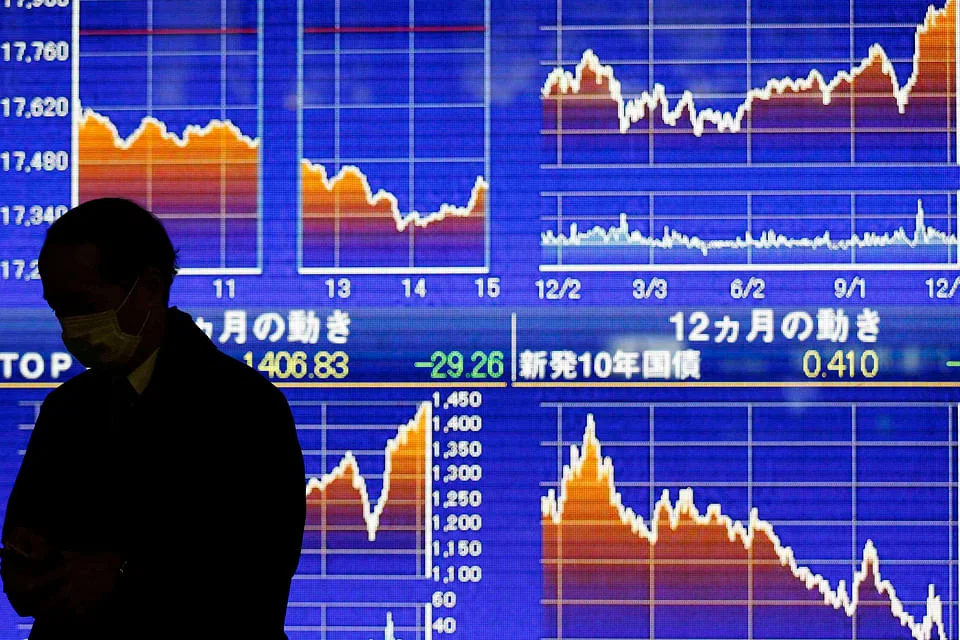
The Nikkei 225 Stock Average on Monday closed above 18,000 for the first time since July 2007 and was up one per cent on Wednesday at the lunch break. The yen strengthened against the dollar after the BOJ's decision before giving back some of the gains and trading up 0.1 per cent at 119.13 at 12.13pm in Tokyo.
The BOJ's commentary on Japan's overseas shipments and industrial output was more upbeat than last month. Exports and production have "been picking up", the statement said. In January, the central bank said exports had "shown signs of picking up" while output had "bottomed out".
Big exporters earnings have been lifted by the yen's 29 per cent decline since Prime Minister Shinzo Abe took office in December 2012 with pledge to reflate the world's third-biggest economy. Toyota Motor Corp this month forecast a record profit for the year ending in March that tops the combined estimated profits at Volkswagen AG and General Motors Co in 2014.
The strength in the stock market and among large exporters belies challenges the BOJ faces in keeping the economy on track for recovery after a sales-tax increase in April precipitated a recession last year.
A pick-up in consumer spending has been slow as households face costs of living that are rising faster than their incomes. Cash earnings rose 1.3 per cent in December from a year earlier, lagging a 2.4 per cent increase in consumer prices.
Ichibanya Co, which runs a nationwide restaurant chain, cited the weak yen for its plans to increase prices of toppings for curry rice by as much as 16 per cent from March to deal with higher costs of food, personnel and utilities.
BOJ policymakers view further monetary easing to shore up inflation as a counter-productive step for now, amid concern it could trigger declines in the yen that damage confidence, people familiar with the talks said last week.
The tumble in energy prices contributed to a slowdown in the central bank's main inflation gauge to 0.5 per cent in December, below the 2 per cent target that Kuroda aimed to reach in about two years when he began record asset purchases in April 2013.
Mr Kuroda said last month cheaper oil will boost the economy and help fuel consumer price gains in the future, even if it may delay achieving the inflation goal beyond the year starting in April.
Twenty-six of 35 economists forecast the BOJ will expand stimulus by the end of October, according to a Bloomberg News survey on Feb 5-10. Mr Kuroda pushed through a decision on Oct 31 to increase easing in the BOJ's closest vote since 2008.
A below-forecast rebound in growth in the three months ended Dec 31 after two straight quarters of declines in gross domestic product raised the bar for the economy to reach the BOJ's estimate for a 0.5 per cent contraction in the current fiscal year through March.
An expansion of 8.7 per cent this quarter is needed to achieve the BOJ's growth outlook for this fiscal year, said Barclays Plc economists Kyohei Morita and Yuichiro Nagai, who wrote in a note: "That could be rather difficult."
"The growth was probably somewhat disappointing for the BOJ," said Masayuki Kichikawa, an economist at Bank of America Corp. "Yet, it's too early for the BOJ to change its outlook significantly. They will be closely watching for a recovery in consumer spending."
The BOJ is counting on rising inflation expectations and a tighter gap between supply and demand to stoke inflation to the 2 per cent target. To help Mr Kuroda proceed with expansive monetary policy, Mr Abe this month nominated Yutaka Harada, an economics professor and well-known reflationist, to replace Ryuzo Miyao, whose term on the BOJ's policy board ends on March 25. Bloomberg