

Brazil currency cartel probe may expand to more banks
But it is unlikely to result in trading bans, says antitrust watchdog chief
Brasilia
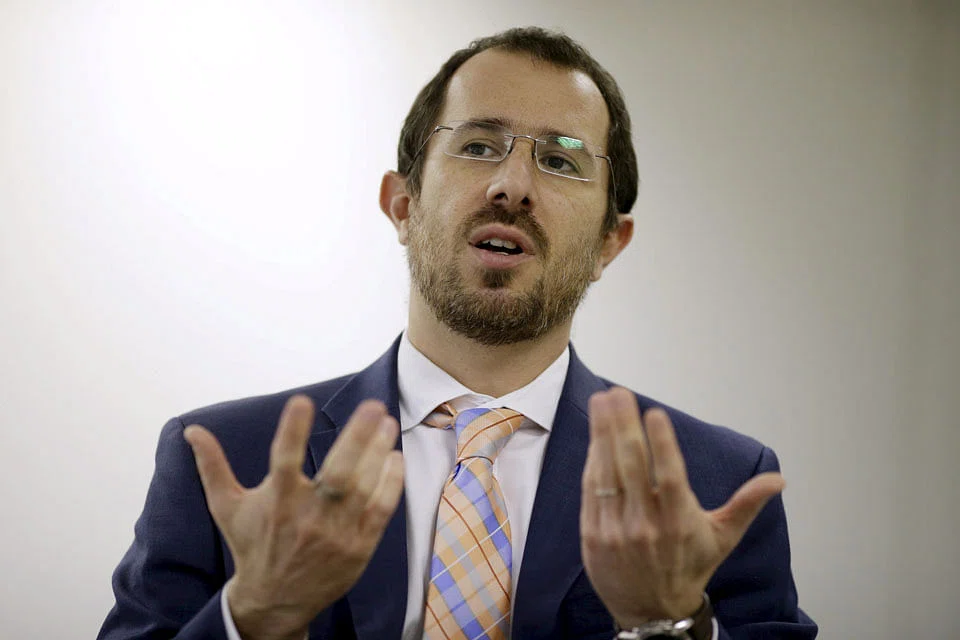
BRAZIL'S investigation of an alleged currency cartel formed by 15 of the world's largest banks could expand to more financial institutions, but it is unlikely to result in trading bans, the head of antitrust watchdog Cade told Reuters on Wednesday.
Vinicius Carvalho, making his first public comments on the investigation, said that the case was built around a plea deal with one of six banks that had agreed to pay US$5.8 billion in the United States to settle charges of currency rigging.
The US settlement came just weeks before Cade went public with its case this month. As other banks agree to cooperate, Mr Carvalho said, more names could be drawn into the investigation.
He declined to discuss the economic damages involved in Brazil, but said that it would not make sense to ban banks from the foreign exchange market as punishment for manipulating currencies between 2007 and 2013, as his agency has alleged.
"I can't imagine a situation in which you simply ban a company from operating. I don't think that makes sense from a competitive standpoint," Mr Carvalho said.
The US currency rigging probe took more than five years to draw guilty pleas from banks now under investigation in Brazil, where the spot foreign exchange market moves more than US$3 trillion per year.
Asked why no Brazilian banks had been named in Cade's investigation, Mr Carvalho said: "That's a question I ask myself too."
"I don't know if that's the case (that Brazilian banks were involved). As far as I know, there was no mention of a Brazilian bank in any of the other plea deals (overseas)," he said.
His remarks underscored the challenge of fighting market rigging in a country where there is lax law enforcement against white-collar crime, making foreign cooperation crucial for Brazilian authorities.
The currency investigation is Cade's first major probe of trading activity in the lightly regulated domestic financial markets. Last year, the agency began to investigate allegations of price fixing in payroll lending markets involving the country's major banks. Currency trading often takes place on platforms away from traditional exchanges, making it vulnerable to malpractice.
Cade alleged in documents earlier this month that traders in Brazil used online chat rooms to fix their positions ahead of trades in the market.
The Cade documents said that traders probably front-ran client orders and pushed through trades that affected the way benchmarks such as Brazil's PTAX rate were set.
According to the documents, they might also have colluded to fix spreads on client trades, reveal spot and future trades that should have been kept confidential.
The banks named in the Cade probe are Bank of America Merrill Lynch Corp, Bank of Tokyo-Mitsubishi UFJ, Barclays plc, Citigroup Inc, Credit Suisse Group AG, Deutsche Bank AG, HSBC Holdings plc, JPMorgan Chase & Co, Morgan Stanley, Nomura Holdings Inc, Royal Bank of Canada, Royal Bank of Scotland Group, Standard Bank Group Ltd, Standard Chartered plc and UBS AG.
The banks declined to comment on the investigation. Reuters
TRENDING NOW

Nvidia reinstates Jensen Huang as CEO; Trump says move poses no national security risk

Beyond the greenback, Vietnam’s big borrowers turn to Asian-currency bonds

Indonesia’s coal tycoon Low Tuck Kwong replaced as Bayan Resources president-director

Six workers file employment claims against Crystal Jade Food Manufacturing

