

Brexit vote could influence TPP debate in Japan, lobbyists say
If UK leaves the EU, Japanese protesters fearing 'loss of national sovereignty' with the TPP could be emboldened
Tokyo
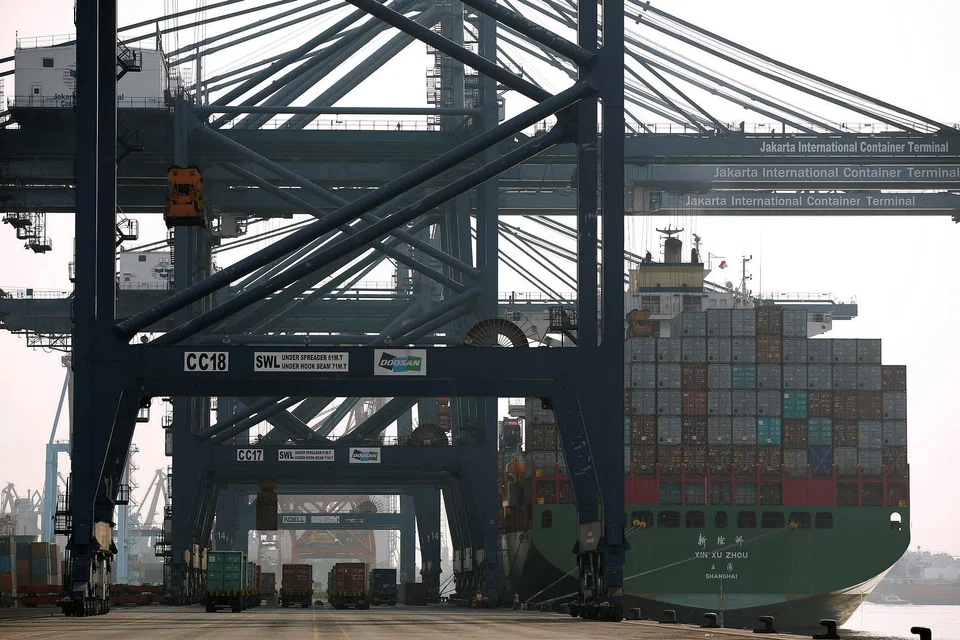
JAPAN's gaze will be riveted this week upon what happens in the UK referendum on European Union membership on Thursday as the outcome will not only impact Tokyo financial markets and Japan's industrial strategy in Europe but could also swing Japan's attitude towards Trans-Pacific Partnership (TPP) membership.
Citing a threatened "loss of national sovereignty" among other things, an influential group (including a former agriculture minister, a former head of the Japan Medical Association and other prominent figures) has launched a campaign to stop Japan's government ratifying the TPP.
The issue of national sovereignty has figured large in the Brexit debate, and members of the expert group opposed to Japan ratifying the TPP treaty argue that Japan's sovereignty in everything from investment policy to health issues could be severely compromised by joining the TPP.
If Britain opts to leave the EU, that could significantly embolden what already appears to be a growing number of people who are protesting against Japan's intended TPP membership, and could also turn the TPP into a big issue in Japan's upper house election next month, analysts say.
"Japan has no compelling reason for ratifying the TPP in advance," the expert group headed by former Japan Medical Association chairman Katsumasa Haranaka and former agriculture minister Masahiko Yamada said in a statement signed by lawyers, prominent academics and other experts.
Presidential candidates from both the Democratic and Republican parties in the US have "declared against the TPP" and the US Congress has "no prospect" of ratifying the agreement, they claim. Unless both the US and Japan ratify, the 12-nation accord cannot go ahead.
Aside from Japan, the TPP involves the United States, Malaysia, Vietnam, Singapore, Brunei, Australia, New Zealand, Canada, Mexico, Chile, and Peru, which collectively account for something like 40 per cent of the world economy, according to the ad-hoc group.
The protest group has launched a campaign to inform Japanese people of what Mr Yamada told the Foreign Correspondents Club of Japan is a "secret agreement" by Prime Minister Shinzo Abe's government and the US to put the interests of big business ahead of those of the Japanese people.
The campaign includes translating into Japanese more of the 6,000-page TPP agreement than the 100-page summary the Abe government provided after the TPP agreement was signed in February. Many parts of that agreement were "blacked out" before Parliament saw it, says Mr Yamada.
The argument by economist Kazuhide Uekusa that the TPP is "mainly in the interests of large multinational corporations" hinges partly on the TPP's Investor State Dispute Settlement (ISDS) agreement giving foreign companies the right to override Japanese government rulings on investment issues.
A Brexit vote by Britain would certainly help embolden Japanese opponents of such national sovereignty- eroding provisions of the TPP, some economists say. Even if Britain opts to remain in the EU, the debate has sensitised people in many countries to sovereignty issues, they add.
The Japanese protest group intends to push the TPP issue high up the agenda of the July 10 upper house parliamentary election campaign in Japan and to "stop ratification" of the TPP agreement, said Pacific Asian Resource Centre secretary-general Shoko Uchida.
Meanwhile,the International Monetary Fund in its Article 1V report on the Japanese economy due to be presented in Tokyo this week is expected to point to the potential economic benefits to Japan of joining the TPP, arguing that this will add significantly to economic growth over time.
TRENDING NOW

He built the Vingroup empire. Now South-east Asia’s richest man is handing some key roles to his sons

32 companies, 6 individuals bag accolades at Singapore Corporate Awards 2026
Can a first-time homebuyer couple earning S$18,000 a month afford a new EC unit?
Floods compound Philippine growth woes from public-works scandal

